Agriculture remains the backbone of Pakistan’s economy, contributing nearly one-fourth of gross domestic product (GDP), employing around 40% of the labour force and supporting millions of rural households. Yet it is also one of the country’s most vulnerable sectors, increasingly exposed to floods, droughts, pest attacks and climate-induced weather extremes. Strengthening agricultural resilience requires not only access to finance but also robust risk management through insurance.
Despite being an agrarian economy, Pakistan has one of the lowest crop insurance penetration rates in the region. Less than 2% of cultivated land is protected through formal crop insurance, compared with substantially higher coverage in regional economies such as India and China, where agricultural insurance has become an integral component of national food security and rural development strategies. Closing this protection gap has become imperative as climate change continues to intensify agricultural risks.
Recognising this need, the State Bank of Pakistan (SBP) introduced the Crop Loan Insurance Scheme (CLIS) in 2008, later revised in 2014, to protect farmers and lending institutions against crop losses arising from natural calamities while encouraging banks to expand agricultural financing.
While CLIS played a significant role in supporting agricultural lending, several operational challenges limited its effectiveness. Claims largely depended upon government notifications declaring calamity-affected areas, often resulting in lengthy settlement periods. Coverage remained limited, technology adoption was minimal, damage assessments relied heavily on manual surveys and farmer awareness remained relatively low.
Recognising these challenges and the growing threat of climate change, the SBP has now launched the Crop Loan Insurance Scheme Plus (CLIS+), representing the most significant reform in Pakistan’s agricultural insurance framework since the programme’s inception.
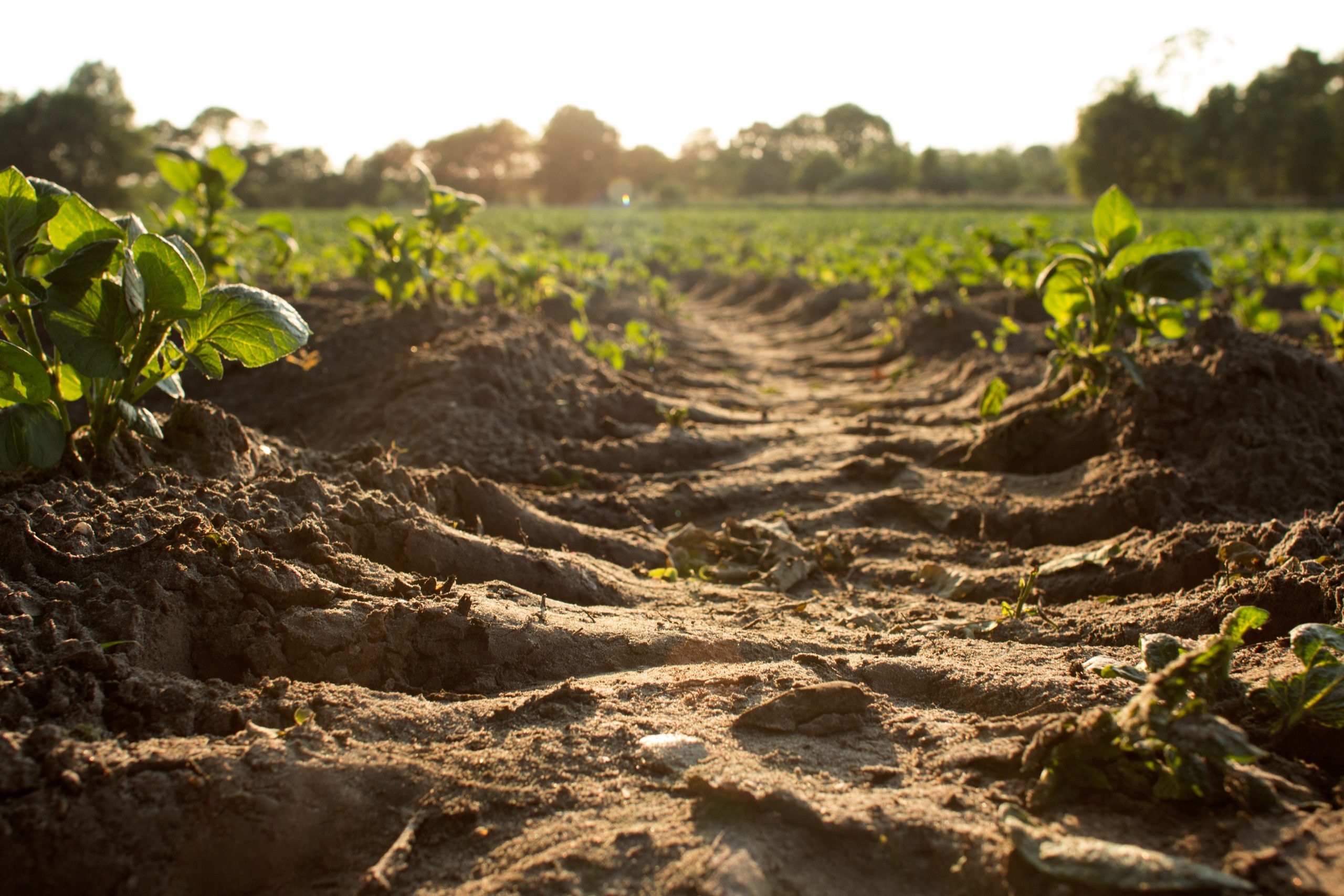
CLIS+ introduces several transformational features. Coverage has been expanded to include additional crops, including potato, while insurance remains mandatory for eligible crop production loans. The scheme now incorporates satellite imagery, remote sensing, digital surveys and technology partners to enable faster, objective and transparent assessment of crop losses.
One of the most significant innovations under CLIS+ is the introduction of Pakistan’s first consortium-based agricultural risk pooling model. By allowing participating insurers to collectively underwrite agricultural risks, this mechanism significantly enhances the industry’s underwriting capacity and is expected to increase the programme’s overall coverage by nearly threefold. The model strengthens market stability, diversifies catastrophe risk and enables a much larger number of farmers to benefit from crop insurance.
Farmer protection has also been substantially enhanced. In addition to settlement of outstanding agricultural loans, eligible farmers may receive a one-time income support payment together with personal accident and injury benefits. The Government of Pakistan will continue subsidising insurance premiums for eligible small farmers, ensuring affordability and wider financial inclusion.
The successful redesign of CLIS+ is the result of collaboration involving the SBP, the Ministry of Finance, the Securities and Exchange Commission of Pakistan (SECP), the Asian Development Bank (ADB), the Insurance Association of Pakistan (IAP), commercial banks, insurance companies and technology partners.
The Ministry of Finance has played a critical policy role in supporting agricultural risk financing and government premium support. SECP has strengthened the regulatory framework for inclusive insurance and encouraged digital innovation. The IAP has facilitated industry consensus, supported the consortium model and worked closely with regulators and development partners. The ADB has provided technical assistance, international expertise and support in adopting global best practices.
For the insurance industry, CLIS+ provides an opportunity to modernise agricultural underwriting through geospatial analytics, digital monitoring and faster claims settlement. For banks, it reduces portfolio risk and encourages greater agricultural lending. Most importantly, it provides farmers with stronger financial protection against increasingly frequent climate shocks.
Pakistan’s agricultural sector stands on the frontline of climate change, making financial resilience as important as agricultural productivity. CLIS+ is therefore much more than an insurance programme—it is an investment in food security, financial inclusion and climate resilience. If implemented effectively, it has the potential to transform Pakistan’s agricultural insurance landscape, narrow the protection gap and emerge as a regional model for climate-smart agricultural risk management.
Source - https://www.brecorder.com