Community mobilisers for the De-Risking Inclusion and Value Enhancement of Pastoral Economies (DRIVE) project, expected to benefit 375,000 pastoralists and their dependents in Kenya, were unveiled on Thursday in Wajir County.
Jonathan Mueke, the Principal Secretary of Livestock Development, stated that the project, designed by the Government of Kenya in partnership with the regional governments of Ethiopia, Somalia, and Djibouti under the framework of the Horn of Africa Initiative (HOAI), aims to protect pastoral economies against drought risk and connect livestock farmers to financial institutions and markets.
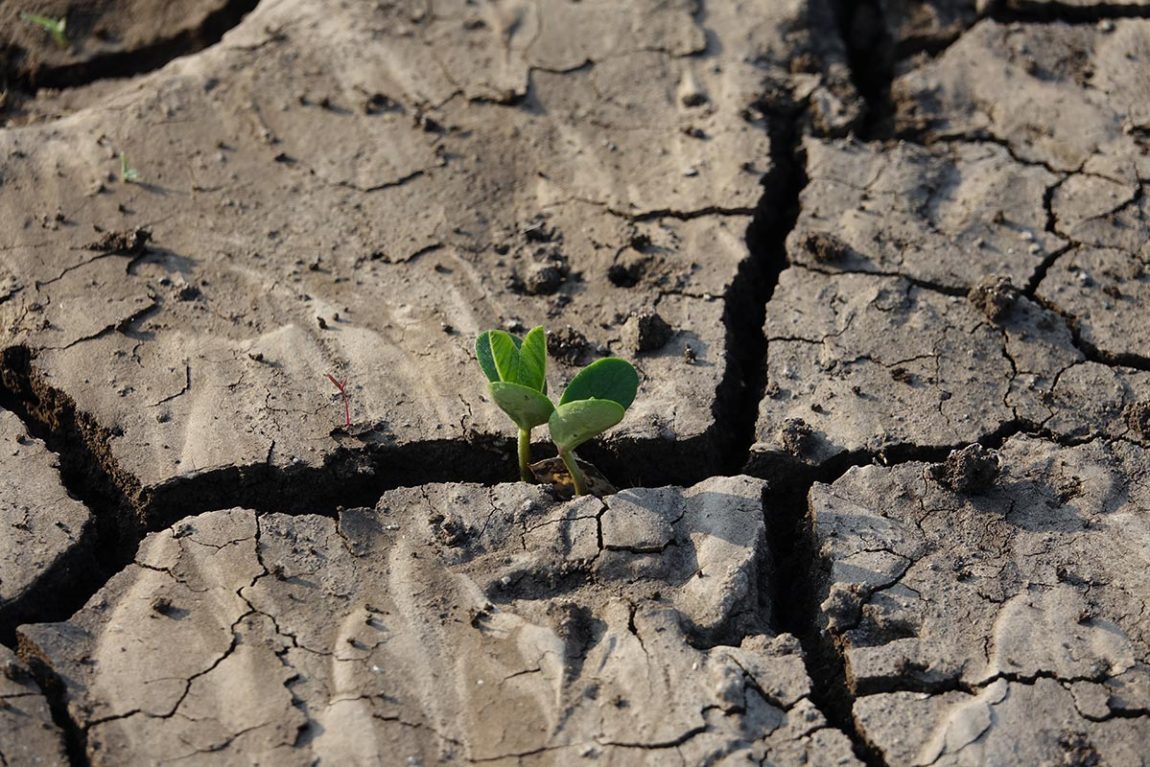
"Severe droughts, on average, affect 3-4 million people in the country, with the most affected regions being Arid and Semi-Arid Lands," he said.
He emphasised the significance of the livestock sector, which he described as an important pillar in Kenya's food system and a major contributor to poverty reduction, food security, and livelihoods.
He noted that the sector contributes between 10 per cent to 13 per cent of the national GDP and employs up to 50 per cent of the agricultural labour force.
"In ASAL counties such as Wajir, the sector supplies 90 per cent of employment opportunities and 95 per cent of family incomes and food security," he noted.
The PS highlighted the challenges that the livestock sector faces, including inadequate pasture and quality feeds, scarcity of water resources, climate change, breeding management challenges, poor marketing, and socio-economic constraints.
To alleviate these challenges, he stated that the government initiated the De-Risking Inclusion and Value Enhancement of Pastoral Economies project.
"In Kenya, the project is funded through a credit facility from the World Bank and implemented by the State Department for Livestock Development in partnership with the private sector, ZEP-RE Reinsurance, and Kenya Development Corporation," said Mueke.
He revealed that the project was designed to build on the lessons learned during the implementation of the Kenya Livestock Insurance Program, which was implemented in eight ASAL counties.
He highlighted that by supplying subsidised insurance products, drought insurance will become affordable to millions of pastoralists who face immense climate change risks, leading to the loss of 2.5 million livestock in the last drought cycle.
He said the community mobilisers and the livestock production groups or cooperatives would share the livestock insurance commissions when their trained members successfully register for livestock insurance.
"This creates a livelihood for our youth and community-owned groups who participate in this program," he said.
He further stated that through the DRIVE project, an innovative livestock producers and market actors engagement approach has been initiated.
Wajir governor Ahmed Abdullahi said the sector was facing many challenges, including climate change, diseases, resource-based conflicts, and attitudinal change leading to pastoralist dropout, especially among the youth.
He emphasised how the project will help to mitigate the effects of the harsh weather and improve their economies.
He said that during the pilot project of component one of the DRIVE in October 2022, Wajir County alone registered 17,656 beneficiaries for the index-based livestock insurance aimed at protecting pastoralists against drought risk.
"The number of livestock insured was 65,488 tropical livestock. To this end, our pastoralists paid Sh54,067,635 with a government subsidy of Sh168,945,647. The bonus payment summed up to Sh94,308,000 with claims of Sh85,788,300," he claimed.
The governor expressed hopes that the project would be successful based on lessons learned from the previous project implemented by the Kenya Livestock Insurance Program.
Source - https://eastleighvoice.co.ke