Tanzanian pastoralists are set to access a transformative digital insurance framework utilizing artificial intelligence to scan animal nose prints for rapid payouts.
Tanzanian pastoralists are set to access a transformative digital insurance framework that utilizes artificial intelligence to scan animal nose prints, drastically accelerating compensation payouts for livestock lost to drought, disease, and natural disasters.
The Smart Livestock Insurance product, deployed by CRDB Bank's insurance division in collaboration with Agriculture and Climate Risk Enterprise (ACRE Africa), signals a major technological leap for the East African agricultural sector. For readers across Kenya, where the state-backed Index-Based Livestock Insurance (IBLI) program has historically struggled with manual verification delays and rampant fraud, Tanzania’s adoption of biometric artificial intelligence offers a highly scalable blueprint for securing the multi-billion-shilling regional pastoral economy.
The Mechanics of Biometric Livestock Verification
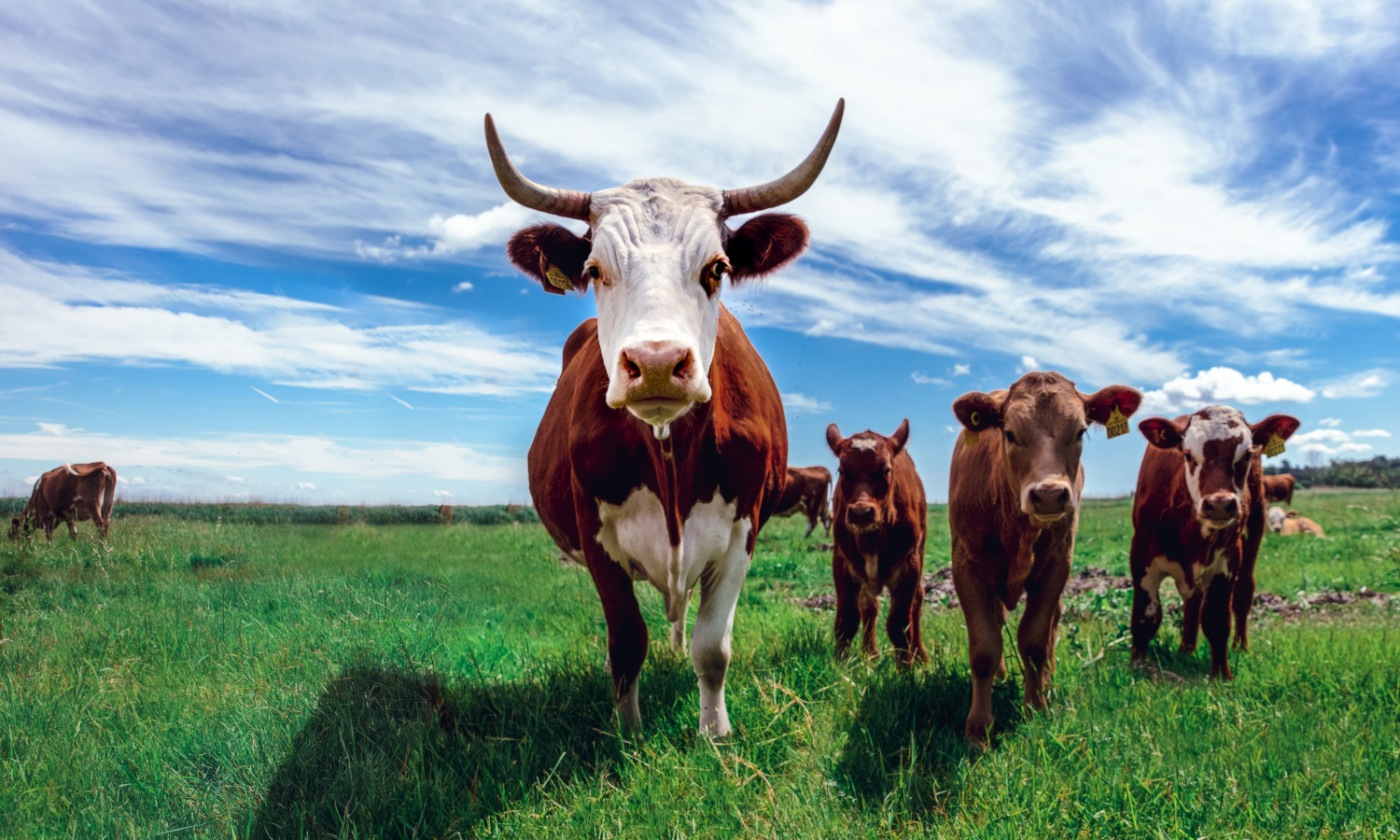
Operating through the newly launched DijiBima digital platform, the system relies on the biological reality that a cow's nose print is as unique as a human fingerprint. Farmers and insurance agents utilize a smartphone application to capture high-resolution images of the animal's muzzle, which the artificial intelligence algorithm processes to create a permanent, tamper-proof digital profile stored in a centralized database.
Speaking during the official launch in Dar es Salaam on Tuesday, Agnes Meena, the Permanent Secretary in the Ministry of Livestock and Fisheries, characterized the rollout as a critical milestone for a sector that has long suffered from chronic underinvestment and extreme climate vulnerability. She emphasized that replacing traditional, easily manipulated physical tags with immutable digital records will fundamentally alter how financial institutions interact with rural herders.
“The use of Artificial Intelligence to identify livestock through each animal's unique nose print marks a significant step forward for the livestock sector. This innovation will enhance trust, reduce fraud, and improve the delivery of insurance services,” Meena told industry stakeholders. Her remarks underscore a broader governmental push to formalize the agricultural economy, which currently accounts for nearly a third of Tanzania's gross domestic product.
- Precision Tracking: The AI model achieves a verification accuracy rate exceeding 98 percent, eliminating disputes over animal identity during the claims process.
- Rapid Payouts: Claim settlement times are projected to drop from an average of 45 days under manual inspection to less than 72 hours via automated digital verification.
- Fraud Elimination: The biometric anchor prevents policyholders from submitting claims for uninsured animals or recycling the same deceased carcass for multiple payouts.
Overcoming Historic Insurance Bottlenecks
For decades, commercial insurers across East Africa have hesitated to underwrite livestock policies due to the extreme logistical costs of verifying assets in remote, expansive arid and semi-arid lands (ASALs). Traditional methodologies required sending veterinary assessors deep into the hinterlands—a prohibitive expense that kept premiums artificially high and out of reach for the average smallholder farmer.
CRDB Bank Managing Director Dr. Abdulmajid Nsekela noted that this historical hesitation has left millions of farmers completely exposed to climate shocks. By eliminating the need for physical inspections, the DijiBima platform collapses administrative overhead, allowing underwriters to offer micro-insurance policies at highly competitive rates while maintaining institutional profitability.
“The technology addresses long-standing challenges associated with conventional livestock identification methods, which have often affected the efficiency of insurance services,” Dr. Nsekela explained. He added that the seamless integration of AI verification will make it significantly easier for marginalized farmers to secure the financial coverage necessary to stabilize their livelihoods in an increasingly volatile climate.
Regional Economic Implications and the Kenyan Parallel
The successful deployment of this technology in Tanzania carries profound implications for the broader East African Community (EAC). The regional livestock trade is a highly integrated ecosystem; millions of animals move across the porous borders of Tanzania, Kenya, and Uganda annually. Ensuring the financial security of the source herds stabilizes the entire supply chain, right down to the price of beef in Nairobi supermarkets.
In Kenya, where extreme drought events recently wiped out an estimated 2.5 million head of cattle—costing the economy upwards of KES 150 billion in lost capital—policymakers at the State Department for Livestock are closely monitoring the CRDB pilot. If ACRE Africa can prove the commercial viability of the nose-print model in Tanzania, the framework is highly likely to be exported to Kenya's northern counties, including Turkana, Marsabit, and Wajir, where pastoralism forms the absolute backbone of the local economy.
- Cross-Border Resilience: Securing Tanzanian herds guarantees a steady supply of raw materials for Kenyan leather processors and meatpackers.
- Financial Inclusion: Insured livestock instantly transforms into viable collateral, allowing rural herders to access commercial bank loans for the first time.
- Premium Affordability: Reduced operational costs are expected to lower annual insurance premiums by as much as 35 percent over the next two fiscal cycles.
The Climate Resilience Imperative
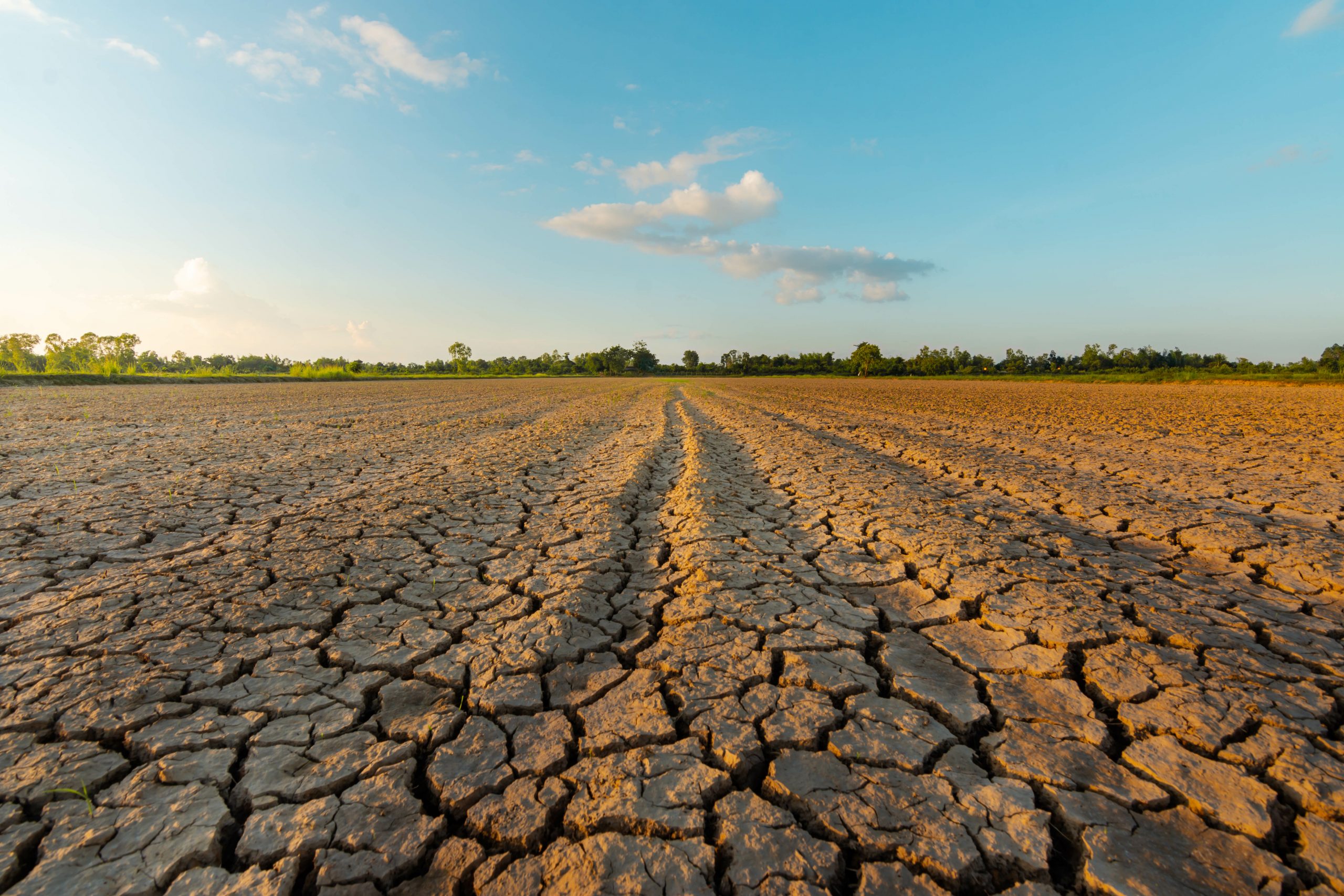
As the Horn of Africa and the broader eastern seaboard continue to experience erratic rainfall patterns, prolonged dry spells, and emerging zoonotic disease outbreaks, the necessity of robust agricultural insurance has transitioned from a luxury to an absolute survival imperative. The CRDB initiative is explicitly designed to act as a financial shock absorber, injecting liquidity into rural economies exactly when climate disasters strike.
By ensuring that farmers receive immediate cash injections upon the verified death of an animal, the system prevents the dangerous downward spiral of forced asset liquidation and deep poverty. Empowered with rapid compensation, farmers can quickly restock their herds, purchase specialized feed, or invest in veterinary care, effectively maintaining their economic momentum despite environmental hostility.
As East Africa braces for the escalating realities of a warming planet, the convergence of advanced artificial intelligence and grassroots agricultural finance represents one of the most potent weapons available to secure the future of the continent's vital food systems.
Source - https://streamlinefeed.co.ke