The Ministry of Agriculture, Forestry and Fisheries (MAFF) is evaluating a disaster-related insurance scheme for modern agricultural cooperatives. Coupled with solar-powered irrigation initiatives, the move aims to strengthen climate resilience and guarantee long-term agricultural production.
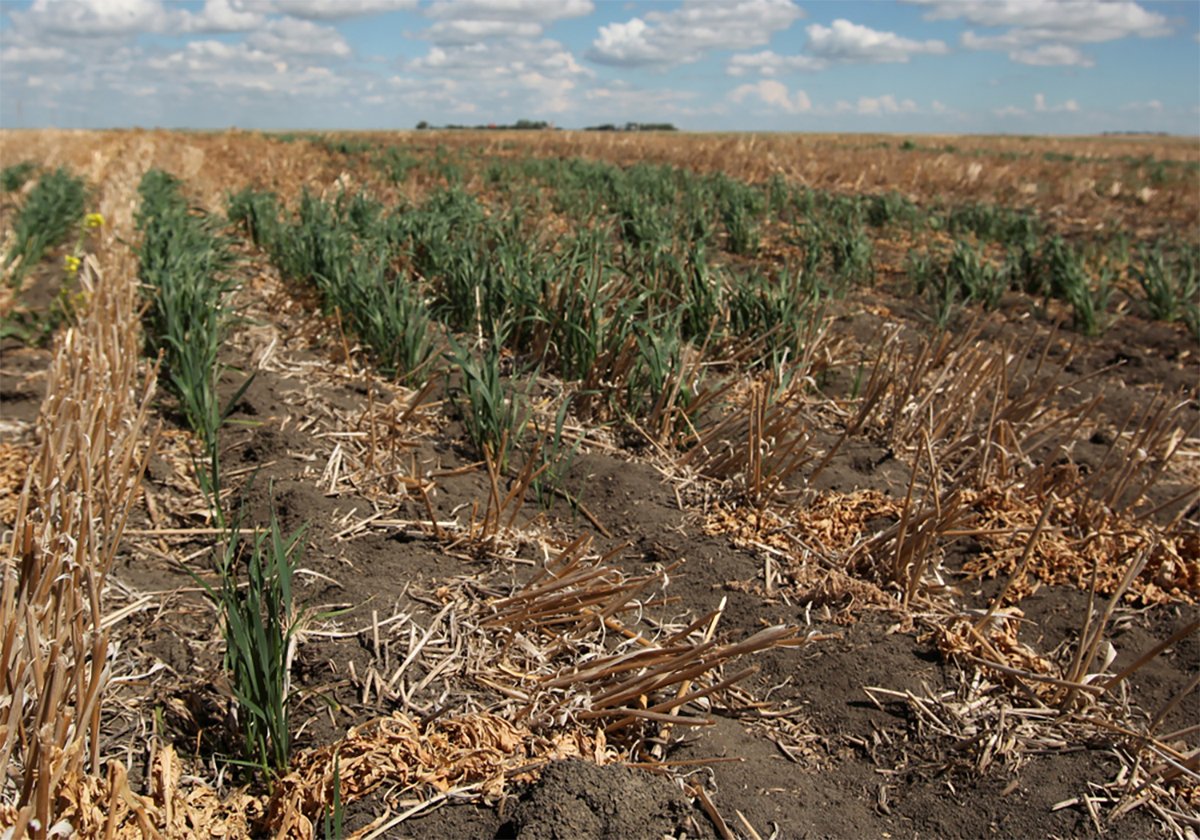
Addressing a press conference recently, MAFF Undersecretary of State and spokesman Khim Finan said that climate change has severely affected Cambodia’s agricultural sector this year, particularly rice cultivation, which has been hit by drought and flooding.
The proposed agricultural insurance mechanism is intended to help farmers manage losses caused by natural disasters, particularly during the rainy season, when unpredictable weather can threaten crop yields and household incomes.
“We are currently considering purchasing disaster-related insurance for our members, especially during the rainy season, when we see many challenges for rice cultivation. This is a very good mechanism for farmers who feel they are vulnerable to consider joining a modern agricultural community,” Finan said.
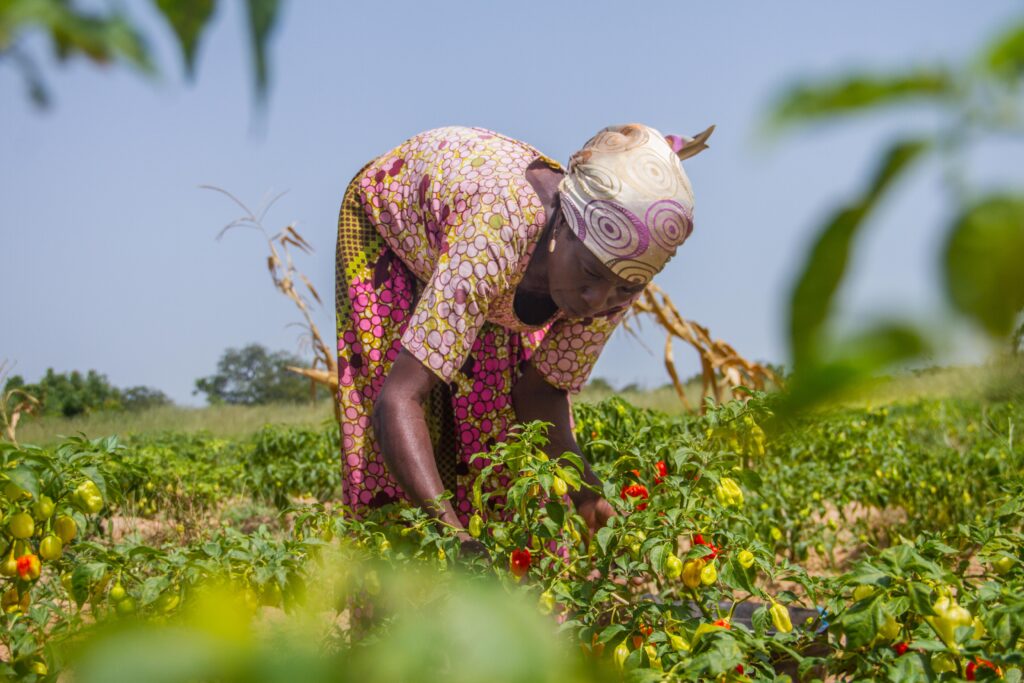
Modern agricultural cooperatives are a key government initiative to promote collective, large-scale agricultural production, improve productivity and strengthen farmers’ bargaining power and market access.
Launched in 2023 under the seventh-mandate government’s sixth priority policy programme, the initiative focuses on crops including rice, cashew nuts, pepper and vegetables.
Over the past three years, the ministry has established 40 modern agricultural cooperatives, bringing together nearly 6,000 farming families across approximately 2,000 hectares of production land.
However, repeated climate-related disasters have highlighted the need for additional financial protection.
A preliminary report from the National Committee for Disaster Management covering July to September showed that drought had destroyed more than 200,000 hectares of rice crops across 10 provinces, with Battambang, Pursat and Kampong Speu among the hardest-hit areas.
Flooding in September also affected approximately 160,000 hectares of rice fields across 10 provinces, including Battambang, Banteay Meanchey, Siem Reap, Kampong Thom, Kampong Cham, Tboung Khmum, Pailin, Pursat, Preah Vihear and Oddar Meanchey.
Cambodia currently has 40 insurance companies, but agricultural insurance remains limited.
Alongside climate risks, rising fuel, fertiliser and agricultural chemical prices have placed further pressure on farmers, amid geopolitical tensions in the Middle East and the Cambodia-Thailand border dispute.
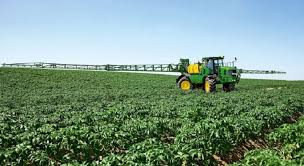
The ministry is also studying solar-powered water pumping systems as an alternative to conventional fuel-powered equipment, which can increase irrigation costs when oil prices rise.
“In the past, we relied on the use of oil for pumping water. The ministry is also studying the use of solar-powered pumping systems instead of oil to reduce costs and reduce reliance on high-priced oil sources,” he said.
The solar-powered irrigation can help farmers reduce recurring fuel expenses and improve access to water for crop cultivation, particularly during periods of limited rainfall.
Cambodia’s agricultural sector is facing increasingly unpredictable weather conditions associated with the El Niño phenomenon, which has contributed to lower rainfall, higher temperatures and alternating periods of drought and heavy rain.
These are the effects of El Niño, a natural climate phenomenon that disrupts weather patterns around the world. Across South and Southeast Asia, El Niño is changing the normal summer monsoon pattern, delaying the rainy season and intensifying drought conditions.
Globally, it can increase extreme heat and wildfire risk in some regions, while bringing heavier rains, flooding and marine heatwaves to others.
The World Meteorological Organization expects this El Niño to peak in late 2026 and into early 2027, with impacts on rainfall, food production and global temperature to continue beyond this peak.
Source - https://www.khmertimeskh.com