B.C. wine growers are forecasting losses in what they call a “climate change disaster” stemming from a cold snap last winter that had long-term and short-term effects on wine grape crops.
In a recent report commissioned by Wine Growers British Columbia, Cascadia Partners found the “unprecedented temperature drop” in December 2022, which saw the mercury in the Okanagan dip below minus 30 C, will result in a significant crop reduction.
“Initial forecasts following the freeze event showed a potential crop reduction of 39 to 56 per cent. Following budbreak, our industry-wide research concluded that our worst fears were realized with a 54 per cent reduction in 2023 and 45 per cent of total planted acreage suffering long-term irreparable damage,” said Miles Prodan, president and CEO of Wine Growers British Columbia.
Industry experts say losses of this magnitude will have a severe impact on the economics of the industry, affecting the revenues of both vineyards and wineries, tax revenues collected by the government and the livelihoods of agricultural workers and other wine industry professionals, with 381 full-time jobs expected to be lost.
“Our industry has taken several devastating hits over the past several years and this freeze event has really compounded the situation,” said Christa-Lee McWatters, chair of Wine Growers BC. “The provincial support programs provided relief for some, however, with the widespread impact of climate change we require concerted government efforts in order to sustain the livelihoods of these important local businesses.”
The most significant impacts are in the south Okanagan Valley, Kelowna and the Similkameen Valley, with each showing potential losses of 60 per cent or more.
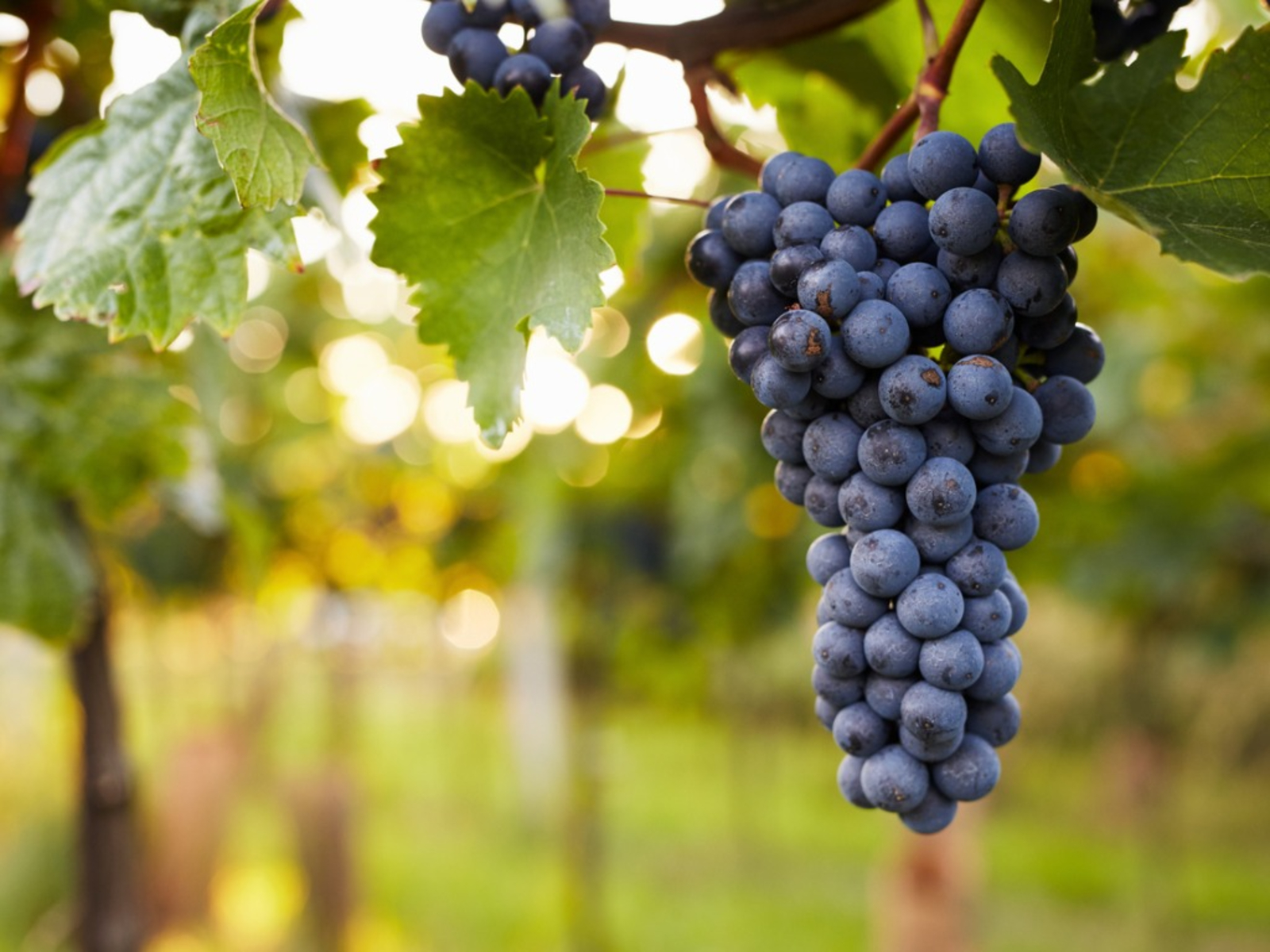
Syrah, Merlot and Cabernet Sauvignon are the grape varieties that have suffered the most, each projecting losses of more than 65 per cent.
The report forecasts a 54 per cent reduction in grape and wine production for the 2023 vintage, while 45 per cent of total plant acreage suffered long-term damage. Twenty-nine per cent of the total acreage needs to be replanted.
A total of $133 million in direct revenue will be lost to the B.C. wine industry, according to the report, and more than $200 million in revenue will be lost to suppliers, B.C. liquor stores and restaurants. The report also forecasts a 20 per cent reduction in full-time vineyard and winery employment.
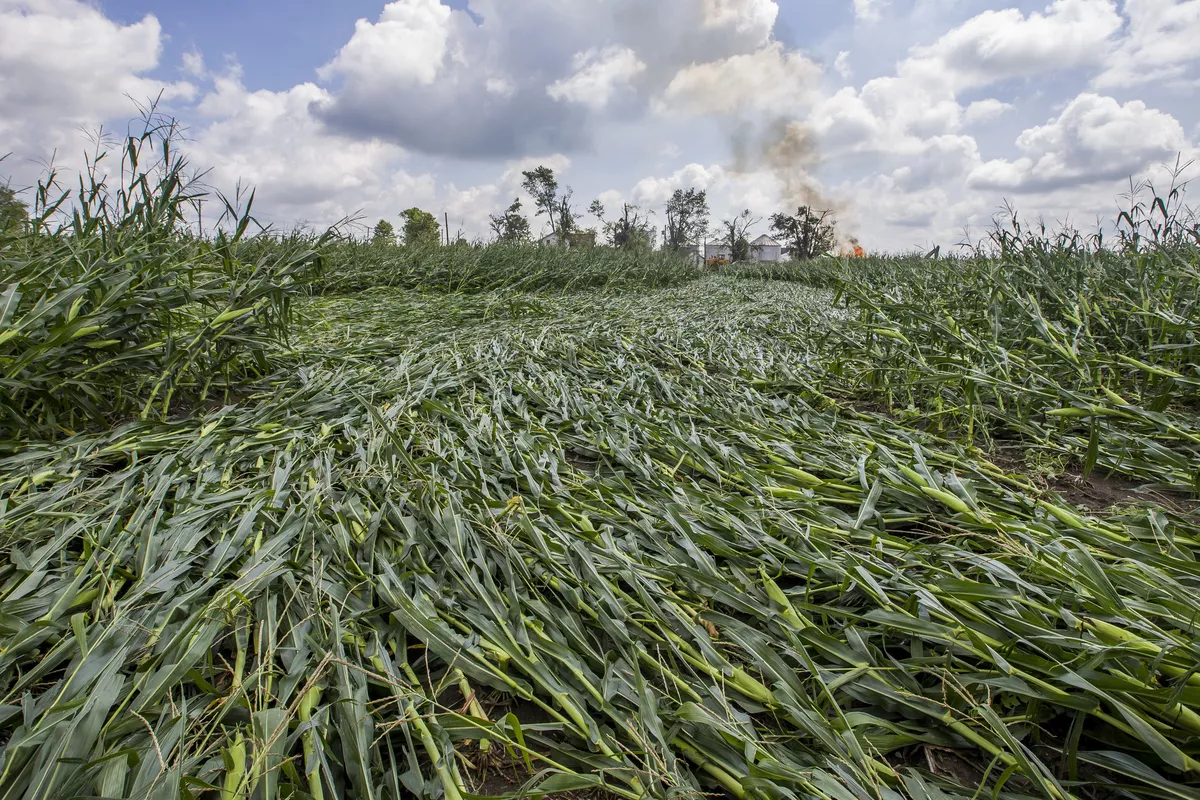
B.C.’s wine industry is appealing to the provincial and federal governments for support, saying the long-term damage of the cold snap isn’t as visually striking as other climate change disasters like wildfires and floods, but has resulted in “as much if not more loss to B.C.’s wine grape crop yet is not receiving the same type of recovery support.”
Members of the wine industry are asking governments for a dedicated grant to support crisis relief, additional funding for the Perennial Crop Renewal Program, and alignment of the provincial crop insurance program to cover “unique climate-change related events” such as the cold snap.
“The reality is wine growing is tough stuff,” said Charlie Baessler, managing partner at Corcelettes Estate Winery in Keremeos. “At Corcelettes, much has been learned in the last 12 years and we are taking this opportunity to further improve our vineyards and how we manage them. This year, wine growing is about making lemonade from really cold lemons. Our industry is rich in talent, creative thinkers and can-do attitudes, but we cannot get far without proper recovery funding.”
Source - https://www.langleyadvancetimes.com