Producers in British Columbia are struggling in the wake of “unprecedented” smoke taint in the Okanagan Valley due to a discrepancy in the government’s insurance initiative.
Wineries in Canada’s Okanagan Valley are battling with production insurance due to outdated terms that don’t account for major climatic incidents such as the wildfires that spread through the region earlier this year.
Jesse Gill, owner of Okanagan Hills Winery, told CBC that British Columbia’s production insurance programme has “an underwriting model that is now outdated, because climate change has demonstrated that we have consecutive back-to-back events.”
He pointed out that “when you’re underwriting an insurance claim, you’re doing it on the basis of what’s been your historical production” as opposed to your present situation, which for many in the Okanagan means significantly reduced yields.
Gill estimates that his crop this year would be worth CN$600,000 if it wasn’t tainted by smoke, but because of past crop losses, he’s only insured for CN$130,000.
“What’s the point of having production insurance? It’s like the government says, ‘Well, you know, we’re supporting farmers and they’ve got a safety net underneath them,’” he said. “Then you fall, and the safety net isn’t a safety net, because it’s all shredded and you fall right through and you hit the ground.”
Contracts cancelled
According to Gill, “growers are now having their contracts cancelled by a lot of the wineries that they would normally ship fruit to” as producers can’t afford to buy their usual volumes of grapes.
Compounding the issue is another insurance loophole that states that only harvested grapes are eligible for insurance claims. As CBC reported, BC grapes cannot be sold for other uses such as inclusion in animal feed or fertiliser. Instead, un-harvested grapes must be destroyed if growers want to claim insurance.
“If you’re going to have production insurance and crop insurance to help stabilise growers in those years that they are relying upon it, then the model has to change,” Gill said.
Frosts to fire
In July and August 2026, Southern British Columbia experienced persistent heat and below-normal precipitation, “contributing to intense wildfire activity in the Fraser Canyon and Okanagan Valley,” the Canadian Government revealed.
In an official statement issued on 18 August, the Government said: “On August 8, in the days after the evacuation of the region surrounding Summerland and Peachland, a Request for Federal Assistance from British Columbia was approved to provide shelter and accommodations for people displaced by the wildfires.
“Given the ongoing wildfire activity, with more than 10,000 people remaining under evacuation orders, the federal government continues to work closely with British Columbia to support the provincially-led wildfire response in support of impacted communities.”
More than 500 international firefighters from Mexico, Costa Rica, New Zealand and Australia provided assistance to Ontario and British Columbia during the summer period.
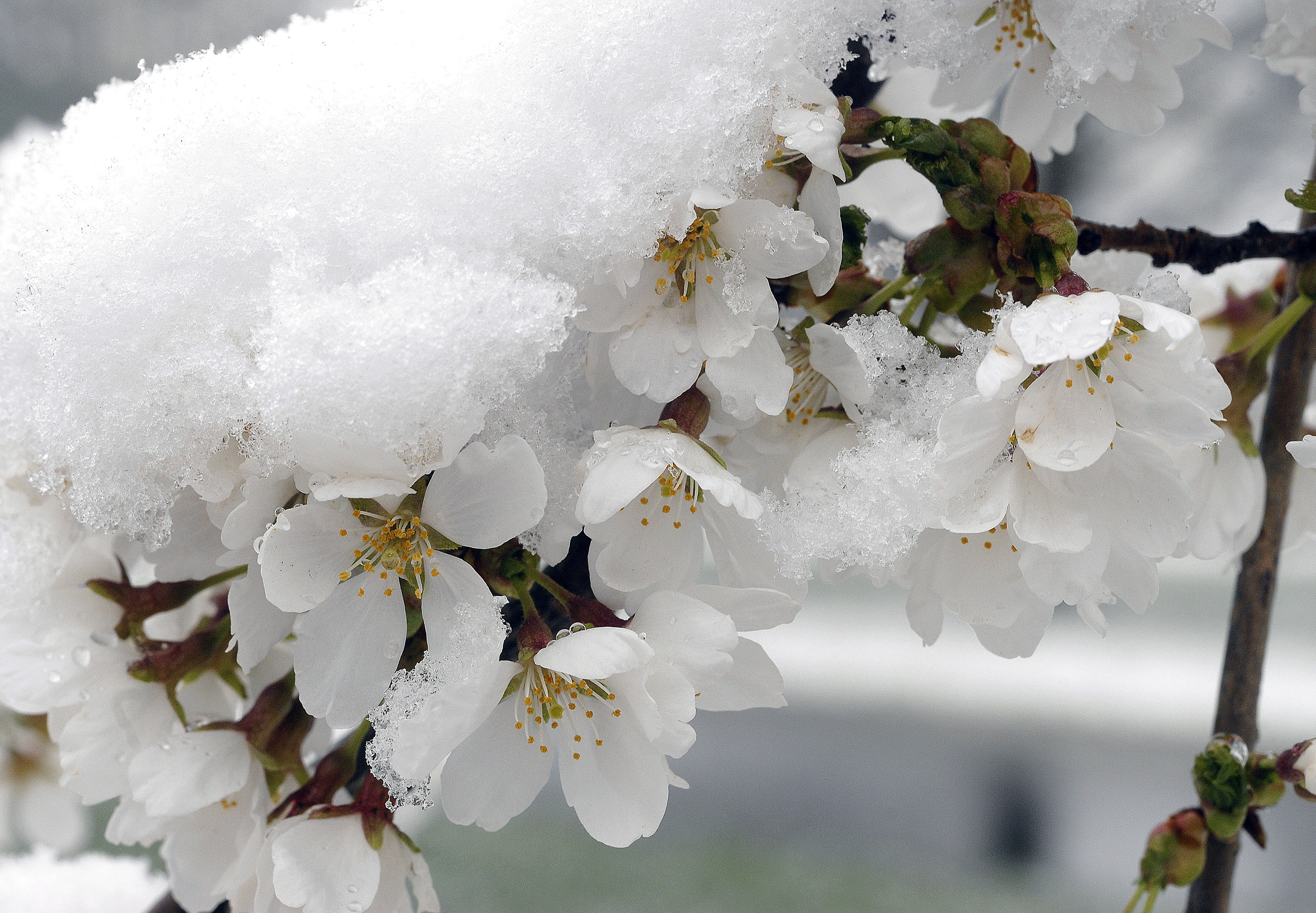
However, just two years earlier, it was freezing temperatures, not fire, that cannibalised crops.
“It had been 5°C for the last month but then the polar vortex arrived, bringing the temperature suddenly down to -30°C within the space of 18 hours,” Kaylee Barss, winemaker for CheckMate Artisanal Winery in the Okanagan Valley, told db.
“The vines were absolutely shocked. It wasn’t just a case of bud death but also vascular damage to the vine trunks. We had to cut into the trunks to reveal the extent of the damage.”
As a result, wine group Iconic Wineries of British Columbia lost 40% of its collective harvest in 2024.
Smoke taint samples being ‘turned back’
Wineries in the Okanagan Valley are currently having their 2026 wines assessed for smoke taint, and have historically used labs in California for this. However, according to at least one producer, samples are being rejected at the US border due to the ongoing trade war with Canada.
“They [our samples] were denied at the border and sent back,” Richard Charnock, winemaker at JoieFarm, told The Globe and Mail.
db has approached Okanagan Valley wineries for comment.
Source - https://www.thedrinksbusiness.com