The weather is a huge wild card for agricultural producers. Conditions that are too cold, too hot, too dry or too wet can drastically impact the yield and quality of crops.
With Niagara’s grape and wine industry in mind, new Brock University research aims to help local farmers mitigate the financial impact brought on by suboptimal weather conditions.
Professor of Finance Don Cyr teamed up with Professor of Economics Joseph Kushner and Oenology and Viticulture student Mingtian Zhang to explore how Niagara’s grape growers could benefit from purchasing weather derivatives — contracts that anticipate seasonal weather trends likely to occur and offer growers some sense of protection.
The resulting study, recently published in the Cambridge University Press Journal of Wine Economics, examined a variety of weather-related risks faced by the Grape Growers of Ontario (GGO) over a 15-year period and described the design and simulation of a weather contract to hedge the financial impacts associated with extremely cold winter temperatures.
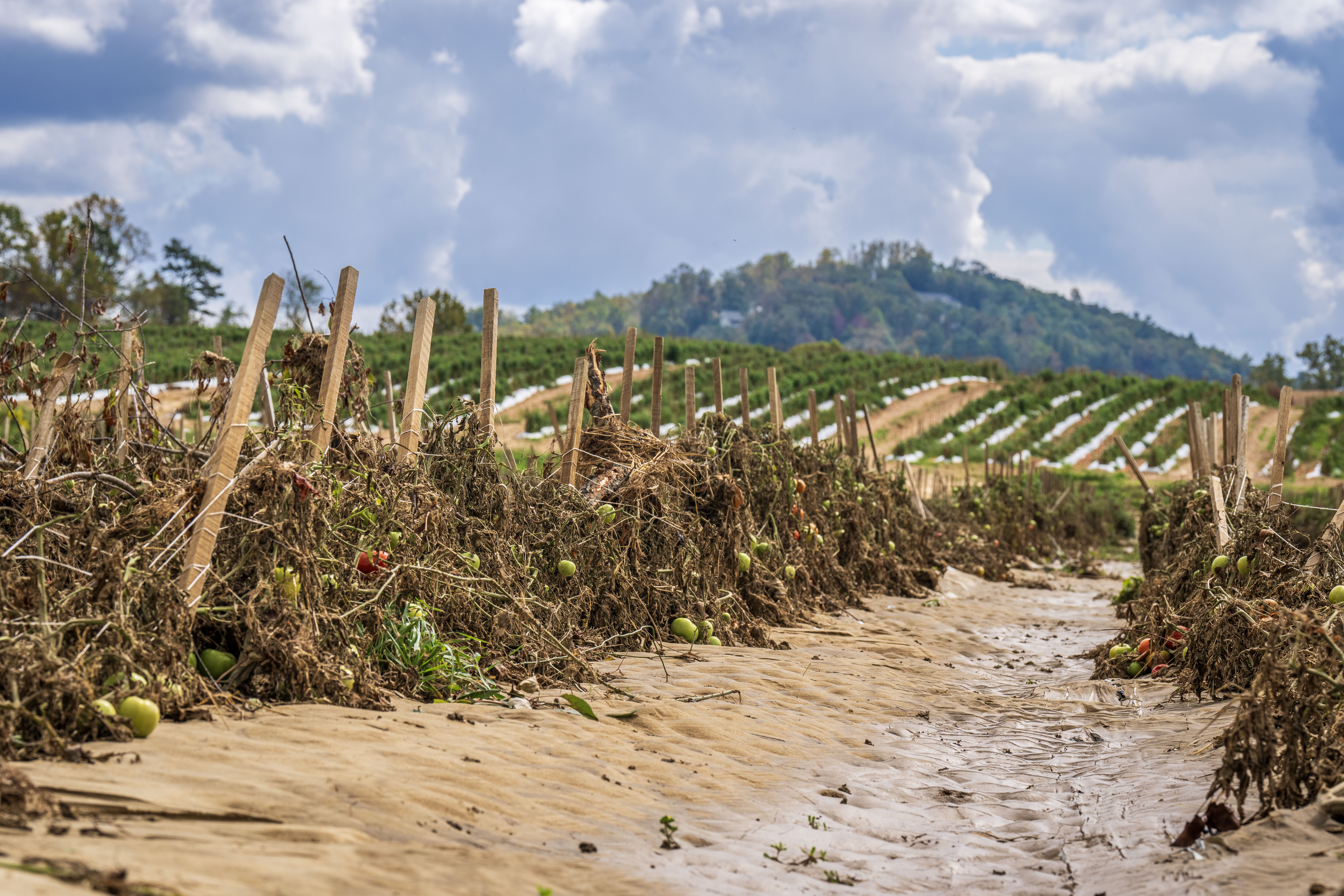
Such weather events can cause significant damage to grapevines resulting in a reduction of yields, says Cyr.
While standard crop insurance typically covers damage caused by catastrophic weather events, such as hail, weather derivatives cover an agreed-upon amount in the event of weather fluctuations specified in the contract.
Weather derivatives don’t include deductibles, are generally less expensive and do not involve proof of damage, a costly administrative requirement in standard crop insurance contracts.
Instead, payouts from weather derivatives are based on a weather index provided by an agreed-upon independent government-run weather station, such as Environment Canada, over a period of time.
While they represent an effective way to protect agriculture producers against losses, weather derivatives are not as accessible as one might expect, Cyr says. These contracts have not been widely adopted in the agriculture industry outside of developing nations.
“One of the issues for suppliers of such contracts is the potential requirement of specific contract terms for each grape grower,” he says. “One solution is if the supplier can provide a contract for a group of producers, lowering the administrative costs.”
The team used advanced statistical analysis to help define the structures and costs of a possible weather derivative contract based on the value of aggregate yields of GGO members.
The study also points out challenges that an association such as the GGO may face in purchasing weather derivatives. Chief among these is structuring costs and payouts that are equitable, given each member’s size, unique risks and willingness to pay.
“One of the impacts of climate change is the increasing volatility of weather on a seasonal basis and weather derivatives provide a cost-effective way for managing that risk for agricultural producers,” Cyr says.
Source - https://brocku.ca