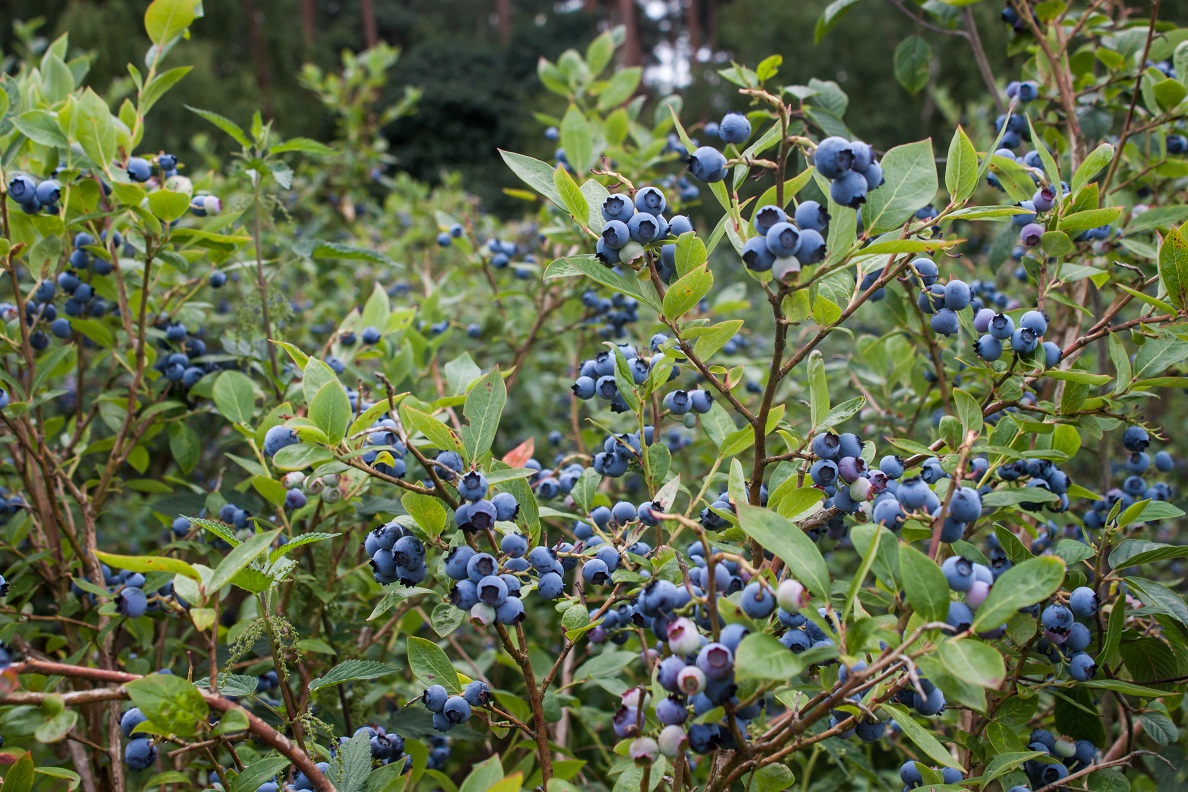
When Peter Swinkels started farming low-bush blueberries 44 years ago, he barely intervened with the natural growth of the plants.
"It used to be … I almost refer to it as a hunter-gatherer process," he said, standing on a dirt road running through his farmland in Belmont, N.S.
"In the fall of the year we'd mow it, and back then we would actually burn the fields and put a little bit of herbicide on them, and two years later we gather up the crop that we were able to acquire from that."
Nowadays, there's more to it.
Blueberry growers in Nova Scotia are using new technologies and pouring more time and money into their fields in an effort to yield more fruit, keep a competitive edge and bolster their resilience to the industry's biggest looming threat: climate change.
'A big wrench'
"Climate change is a reality, and it's thrown a big wrench into the challenges of producing a wild blueberry crop," said Swinkels.
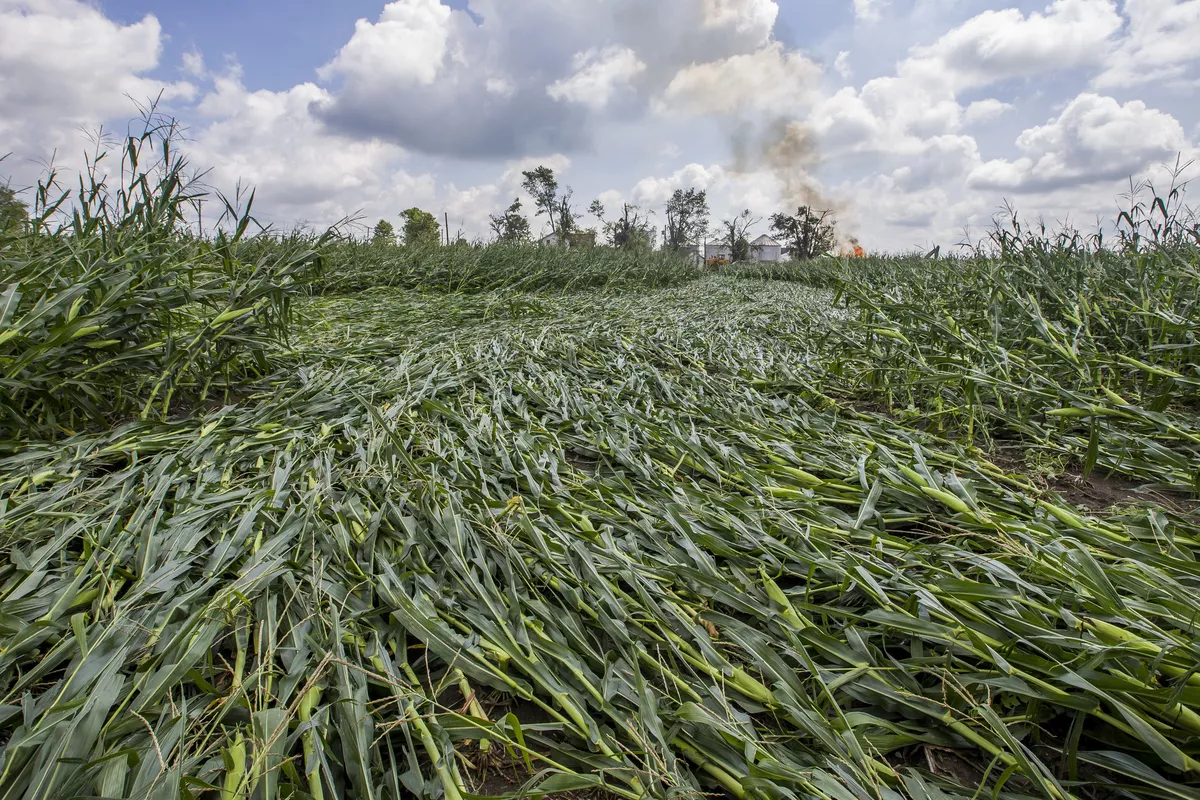
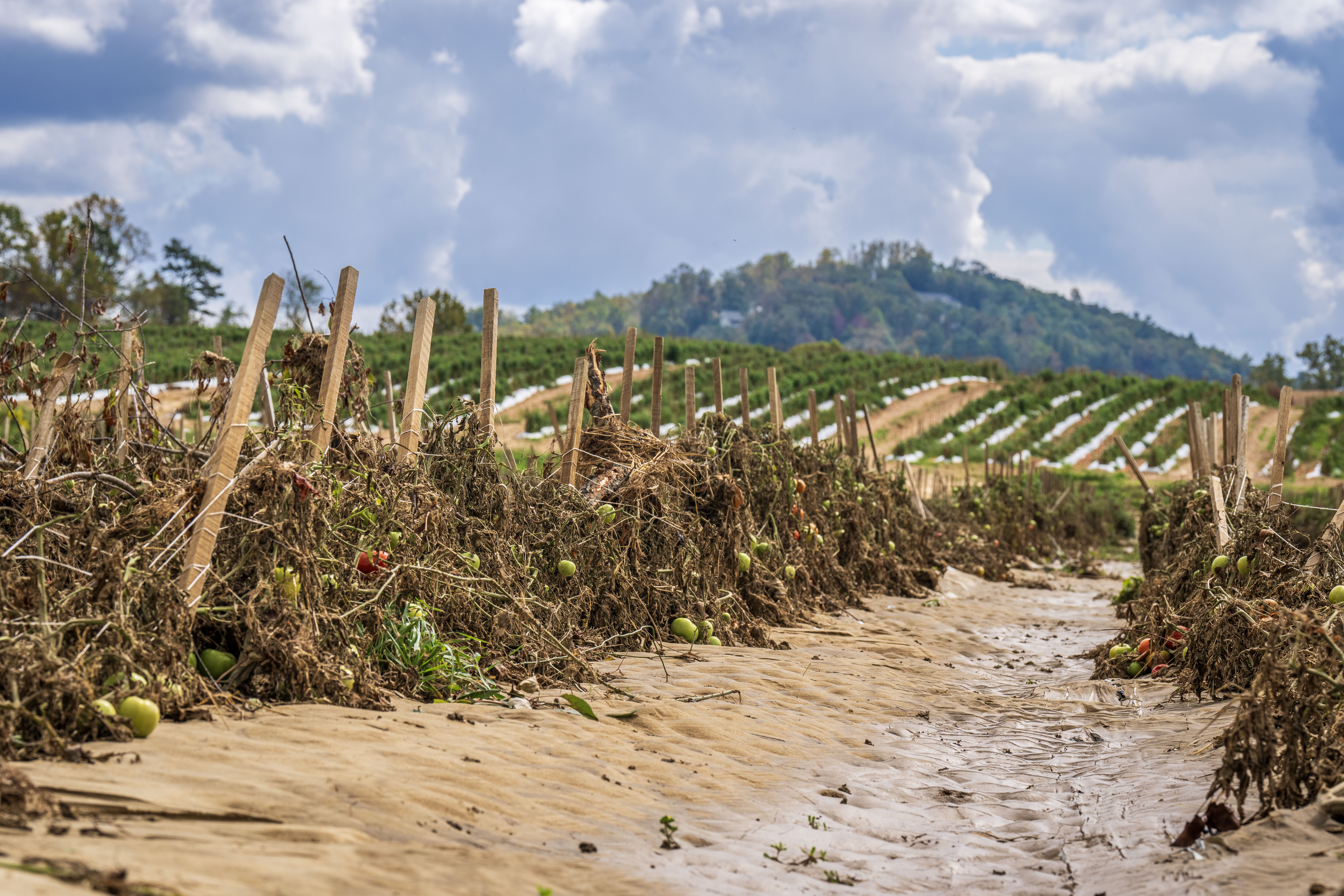
In recent years, Swinkels has lost large swaths of his crop several times. Once to a late spring frost, another time to drought and this past season to extreme wet weather.
Anticipating those kinds of losses as a new normal, he said he needs every plant to produce more berries than he would have thought was possible four decades ago.
Luckily for him and other farmers, Nova Scotia is home to a research centre dedicated to low-bush blueberries, which are the province's most valuable export crop.
Research tackling new pests
"We're facing significant issues," said David Percival, the director and lead researcher at the Wild Blueberry Research Centre in Debert, N.S.
He said climate change is a double-edged sword for blueberries. Over the past 25 years, the growing season has lengthened by about two weeks, but at the same time, new weeds and fungal pests have started to thrive in the region.
Percival is testing microorganisms as an alternative to chemical sprays to keep unwanted grasses and fungi out of the crops.
He's also helping farmers use drones to map their blueberry fields, giving them highly detailed information about their land, their plants and how to manage them.
Percival's priority is to figure out how local growers can adapt to the new climate reality, but he said he also has economics in mind.
Global competition rising
"The second thing is to do it as competitively as possible," he said.
Percival said blueberries used to be the exclusive domain of North American farmers, but China and Peru are now growing and exporting the fruit, too.
The competition doesn't seem to have hurt growers in Nova Scotia yet, as exports have only gone up in recent years, reaching $167 million in international sales last year, most of those coming from Europe, the U.S. and Japan.
But Percival said the rising competition underscores the need for growers to have consistently high quality and production in their fields. It also fuels the demand for alternatives to chemical treatments, both because of the cost to farmers and because consumers are increasingly looking for spray-free products.
"It's a lot of work," said Percival of the task before him.
Gary Brown is a veteran of the blueberry industry and one of the people who helped get the research centre started nearly 30 years ago.
Brown spent more than thirty years as a blueberry expert for the provincial government and then Oxford Frozen Foods, the province's biggest blueberry producer.
He's now formally retired, but he still regularly takes phone calls from growers, like Swinkels, looking to tap into his expertise.
In hindsight, Brown said he started seeing the early signs of climate change affecting blueberries in the mid 1990s when growers experienced a dip in yields.
Production bounced back, he said, thanks in part to research from Percival. In fact, local production has nearly doubled in the past 30 years, from 13.7-million kilograms in 1993 to 25.9-million kilograms in 2022. With that history of resilience, Brown said he thinks the blueberry industry will be able to surmount the new challenges before it now.
"We have to be ahead of the game and get this work done," he said.
With that proactive approach, Brown said he expects the local blueberry business will only continue to grow.
Source - https://www.cbc.ca