Canada - Crop development on track in southeast despite weather, gophers

05.08.2026 249 views

The Saskatchewan Ministry of Agriculture says the recent heatwave has led to the rapid development of crops, according to the latest weekly crop report. The heat also contributed to haying progress.

Moisture affects field conditions despite heat

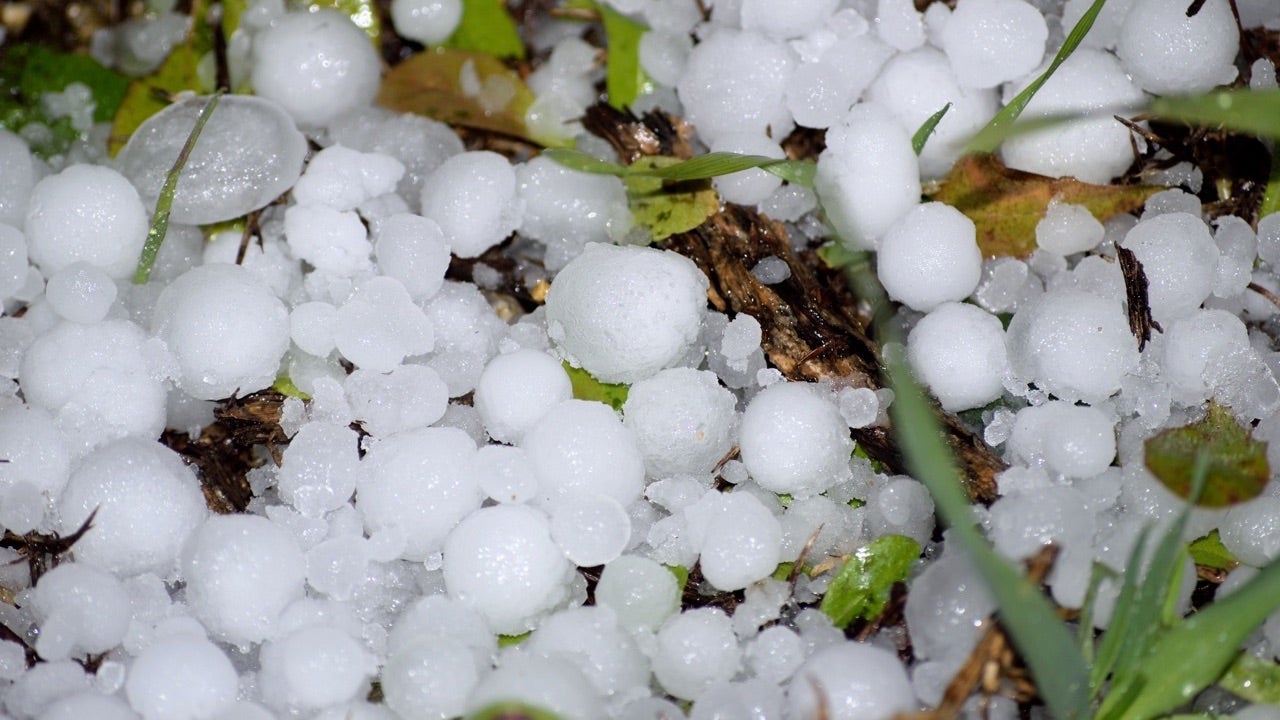
Despite the heat, some storms brought heavy rainfall and hail to some parts of the region. The highest rainfall amounts were recorded in the Bienfait area with 126 millimetres recorded during a localized storm. Big Beaver and Rocanville saw less but still significant amounts, close to 30 millimetres.

There was minor to moderate flooding in areas that saw rainfall, however, the overall dry conditions have resulted in an overall reduction to topsoil moisture levels. Though cropland, hayland, and pasture topsoil moisture are all rated over 85 percent adequate.

Southeast on track for crop development, haying

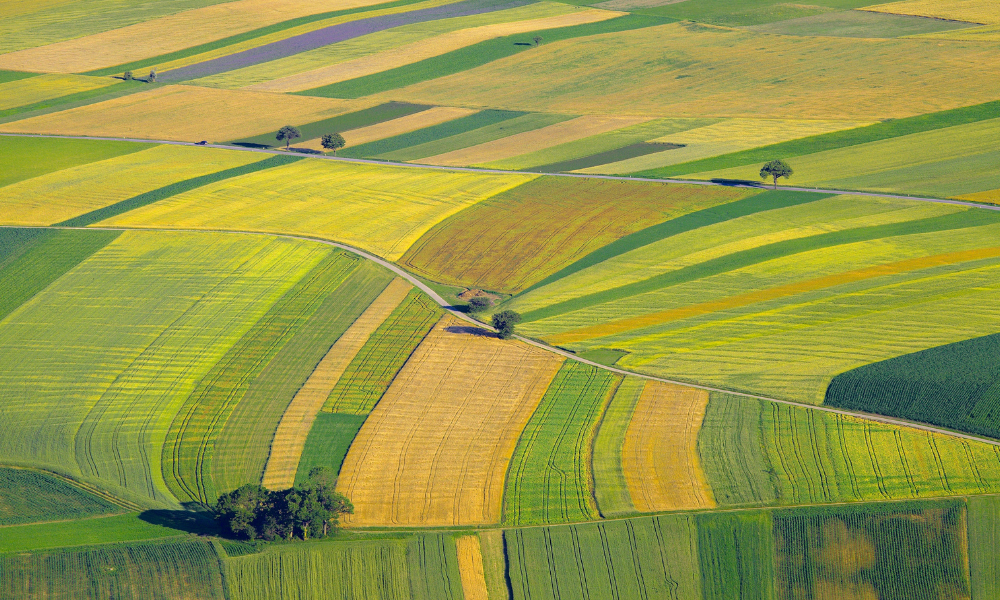
Crop development is on track thanks to adequate moisture levels over the growing season. Fall cereals are leading the way in acres near normal stages of development, closely followed by perennial and annual forages. However, oilseeds and spring cereals remain behind in development.

The region saw haying progress this week with 18 percent baled or put up as silage and 33 percent cut while 49 percent is still standing. Hay quality remains high with 24 percent rated excellent, 70 percent rated good and only six percent rated fair. 

Gophers responsible for minor to severe crop damage

Gophers continue to be an issue for producers, with resulting crop damage ranging from moderate to severe. Other factors contributing to minor to moderate crop damage include heat, wind, flooding and cabbage seedpod weevil. Some minor damage has been reported due to hail. Producers continue to apply fungicides to supress and prevent disease. 


Source - https://discoverestevan.com

08.11.2026

Tanzania Secures $997,000 AfDB Grant to Expand Climate Insurance for Farmers

The project, titled “Bridging the Agricultural Risk Protection Gap to Scale Climate Smart Insurance,” is expected to benefit 300,000 farmers across 15 regions of Tanzania.

08.11.2026

India - Pune’s Crop Insurance Test Begins as Drought Cuts Kharif Yields

Pune’s crop insurance system is now facing a significant test after crop-cutting experiments recorded a 20-22% decline in soybean productivity and a 15% fall in maize production during a drought-affected kharif season. 

08.11.2026

Australia - Severe weather thwarts Victorian farmers ahead of bumper harvest

A hailstorm that smashed parts of Victoria's Mallee this week has devastated thousands of hectares of wheat, barley, lentils, canola and other cereal crops.

08.11.2026

Sudan fuel shortages damage crops in El Gezira as food prices soar, bakeries strike in North Kordofan

Fuel shortages and soaring production costs are damaging agricultural crops in Sudan’s El Gezira state, while rising food and transport prices are placing further pressure on household budgets.

08.11.2026

USA - Farm Banks Warn $140 Billion in Government Aid Is Masking Financial Risks

Agricultural lenders warn that $140 billion in emergency farm aid since 2018 may be masking financial risks as producers face rising costs.

08.11.2026

India - Yogi Government Doubles Disaster Death Compensation; Farm Aid Up by a Quarter

The Chief Minister’s Office says the revised norms will reach more than 10 lakh farmers, with higher payouts for crops, cattle, silk, homes and schools.

05.11.2026

Sudan asks insurance companies to fund winter agricultural season

The Sudanese government has urged insurance companies to use deposit surpluses and investments to finance the 2026-2027 winter agricultural season.

05.11.2026

Canada - Saskatchewan harvest now 99% complete: crop report

Harvest has wrapped up across Saskatchewan, with 99 per cent complete and only a few acres of later-seeded crops remaining in the field. Despite the challenges experienced this year, crop yields were consistent with 10-year averages and while many crops graded in the top-quality categories, some downgrading did occur due to late-season rain and pest activity.