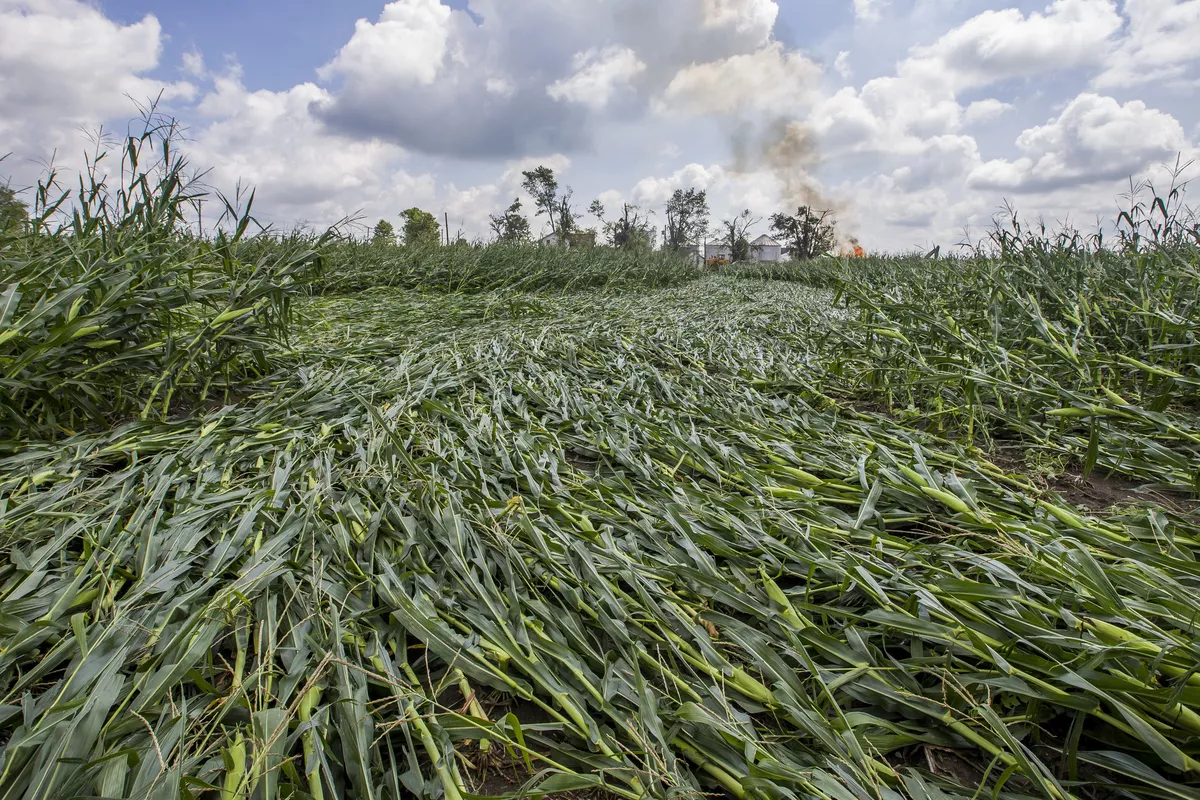
Farmers always worry about the weather impacting their crops, from drought and heat to flooding, hail, and high winds. However, there’s another aspect of nature that is also a source of damage and loss for agricultural crops – wildlife.
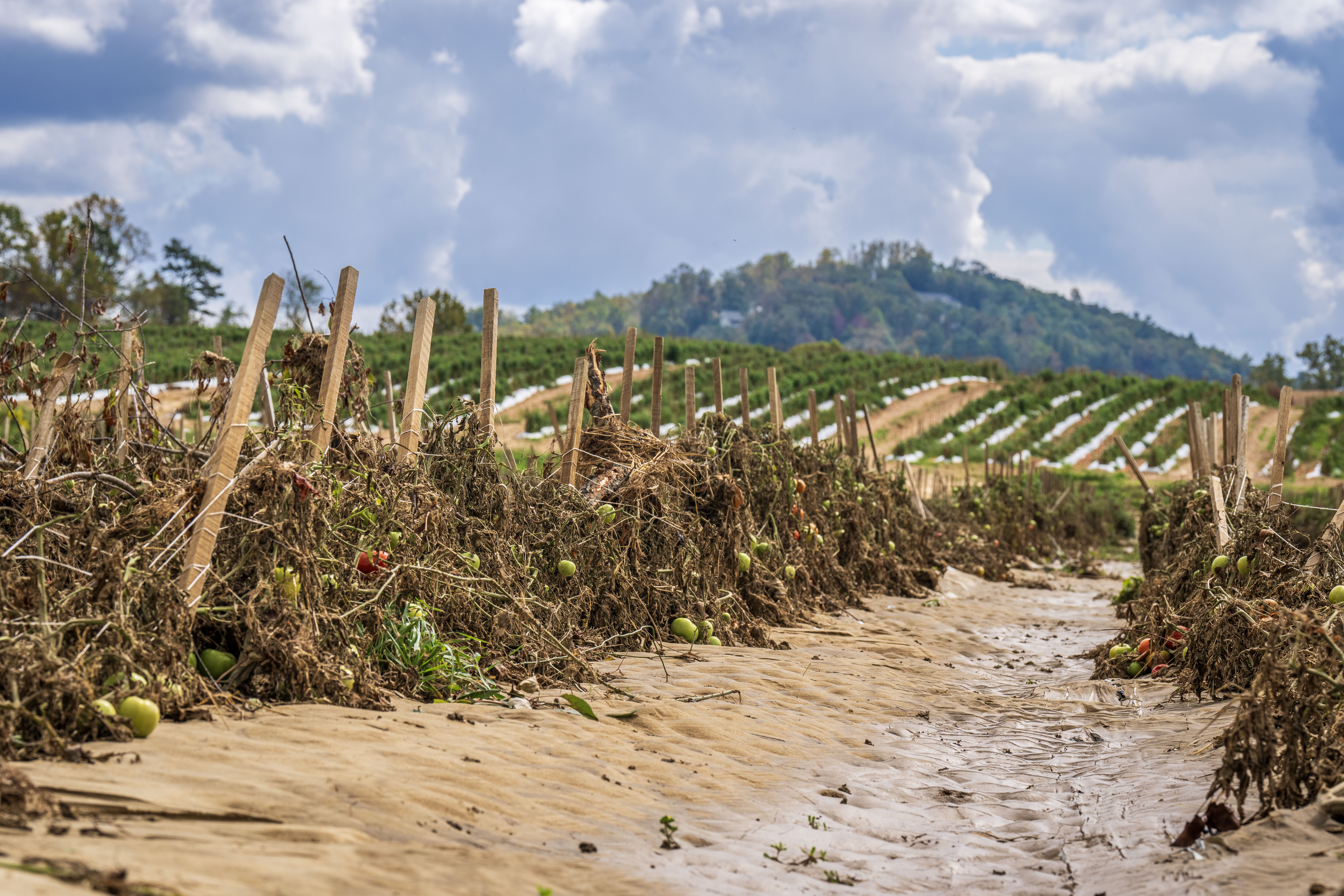
Farmers who grow outdoor crops can lose whole fields or portions of fields and are left to deal with significant crop damage and yield loss due to wildlife.
I farm just outside of Thunder Bay and for the northern Ontario farmers I represent on the board of the Ontario Federation of Agriculture (OFA), crop damage and losses caused by sandhill cranes in particular are an ongoing source of frustration. These are birds that used to migrate south in the winter but are now increasingly staying put and as their populations are growing, their impact on agriculture is also on the rise.
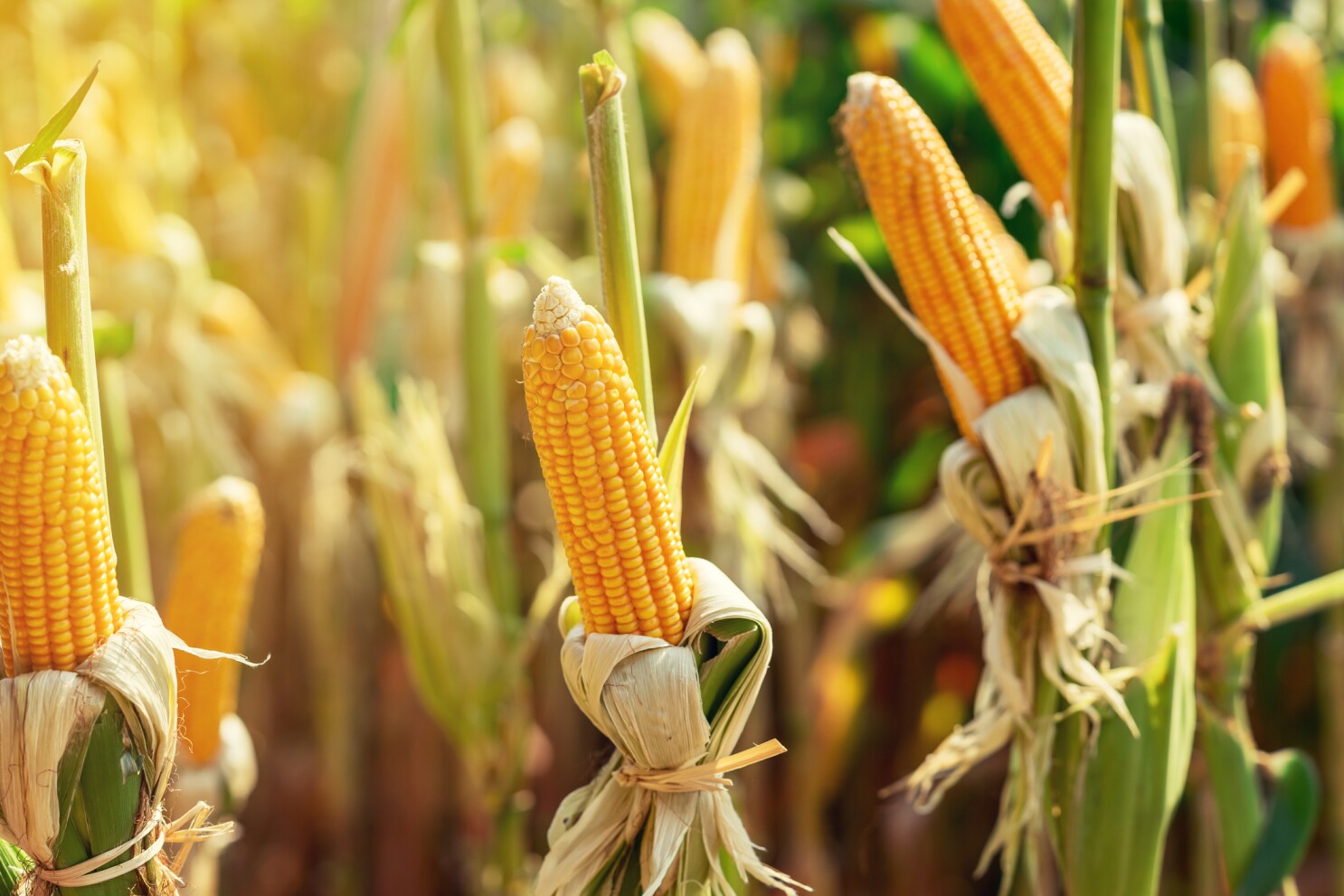
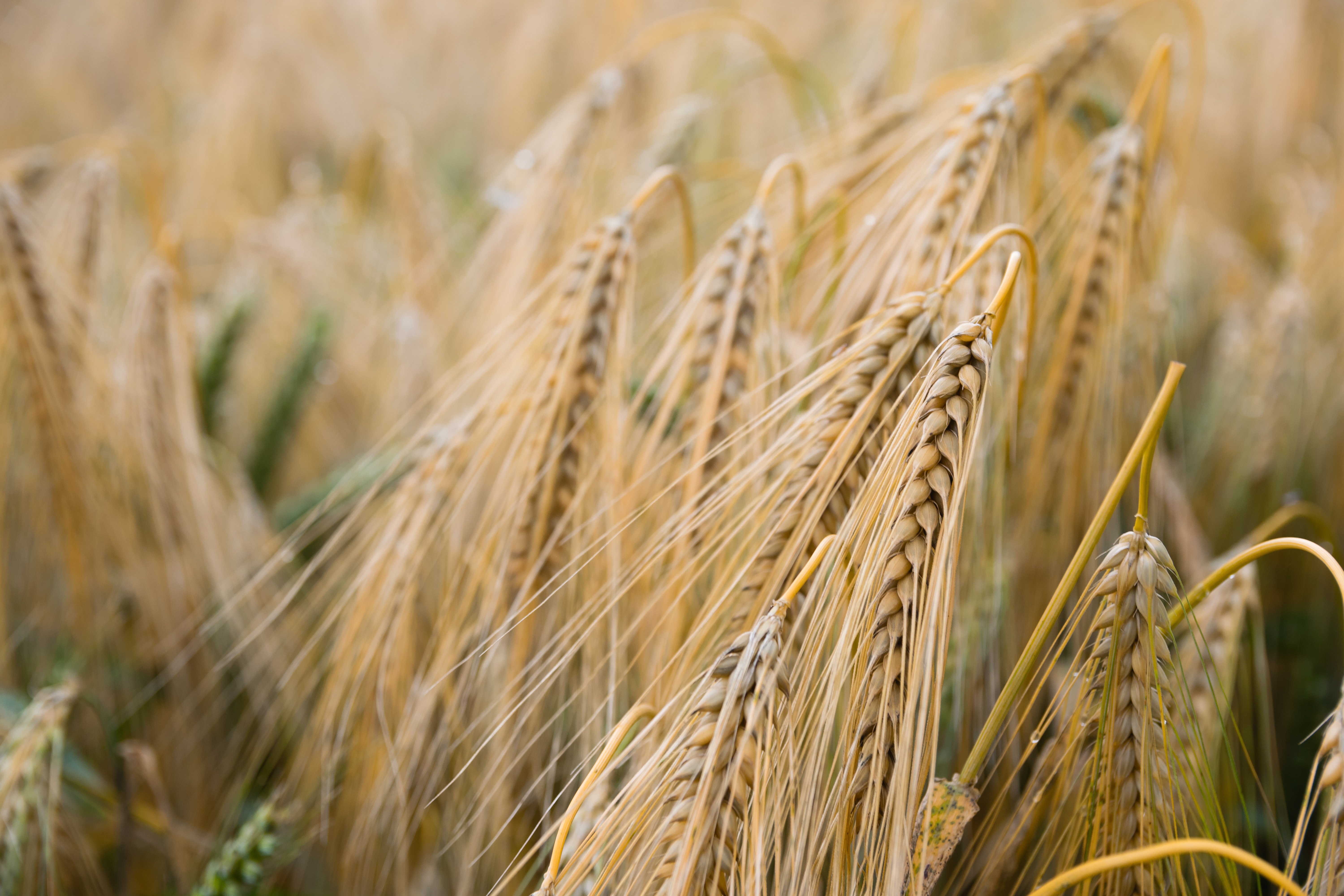
In the spring, for example, they’ll feast on newly planted seeds or nibble on freshly sprouted wheat or corn crops and some farmers have reported losing up to 30% of their planted acres to damage. A farmer’s only choice, if they want to harvest a crop in the fall, is to replant, which is both costly and without a guarantee that wildlife won’t overtake those plants and seeds too.
In the fall, harvest-ready corn and soybeans are also an attraction. Birds aren’t the only challenge, though, and it’s not just farmers in the north who deal with this problem.
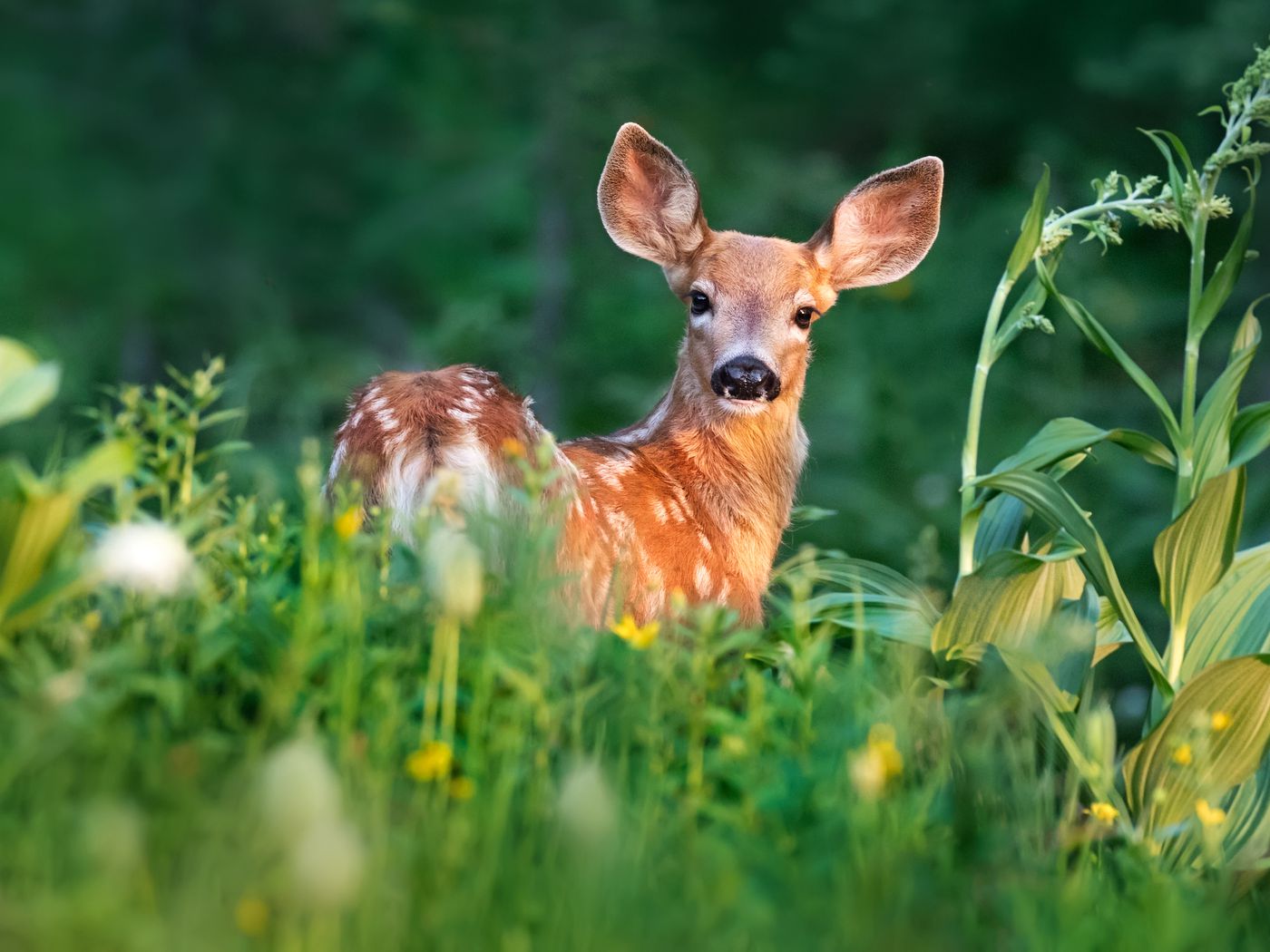
Damage to crops can also be caused by a variety of other species, such as deer, raccoons, geese, migratory birds, and wild turkeys to name just a few. Not all farmers suffer from wildlife predation equally, but for farmers who are impacted, the damage can result in significant financial burdens.
Not all farmers suffer from wildlife predation equally, but for farmers who are impacted, the damage can result in significant financial burdens.
It’s not just about financial impacts, though. In addition to causing crop damage, white-tailed deer for example, also have the potential to transfer diseases, like Chronic Wasting Disease (a prion disease that affects deer, elk, reindeer and moose), to farmed populations of deer or other cervids.
Farmers are also limited in the actions they can take to protect their crops from wildlife, as only certain activities are permitted under provincial legislation, and often only at certain times of the year.
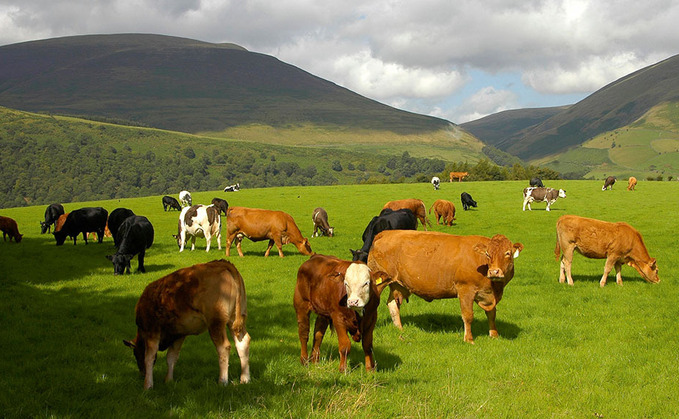
It’s important to mention, however, that damage and loss from wildlife isn’t just limited to crops. Predators are also attracted to livestock and poultry, and Ontario farmers are fortunate to have the Ontario Wildlife Damage Compensation Program that provides the opportunity to apply for payment for livestock or poultry that was killed or injured by wildlife.
Unfortunately, there is no comparable compensation program for wildlife damage to crops. That’s why the OFA has been, and continues to advocate for, support for farmers whose crops are damaged by or lost to wildlife.
This includes access to a compensation program similar to that available to livestock farmers, as well as support with respect to practical mitigation solutions and control options.
The OFA is also actively involved in the Human-Wildlife Conflict Advisory Working Group, and the Agriculture-Wildlife Conflict Working Group. Wildlife damage is not easily controlled and can have significant impact on the productivity and profitability of a farm business, and fair and sustainable solutions will require the input and support from a variety of stakeholders.
Source - https://www.pelhamtoday.ca