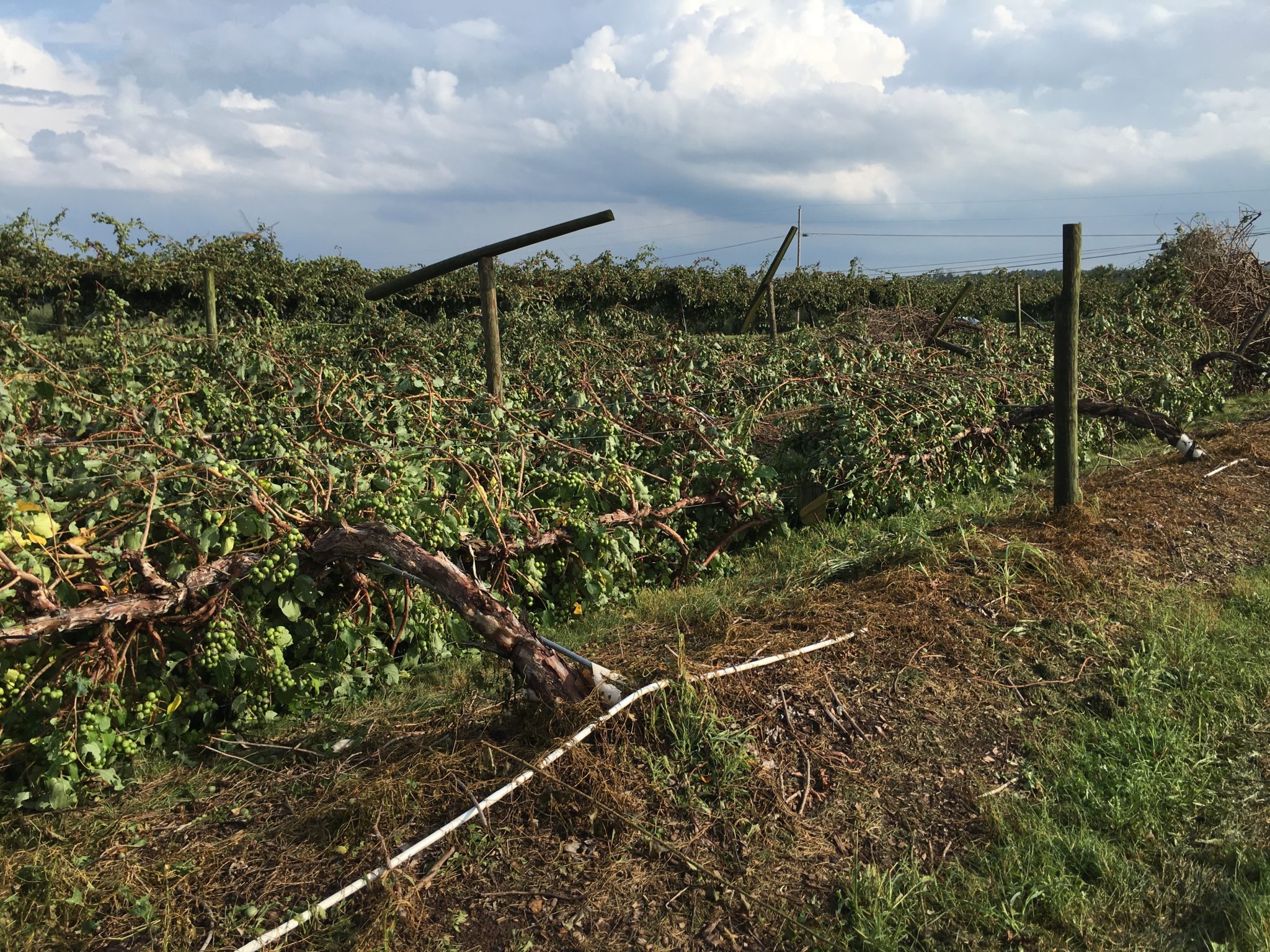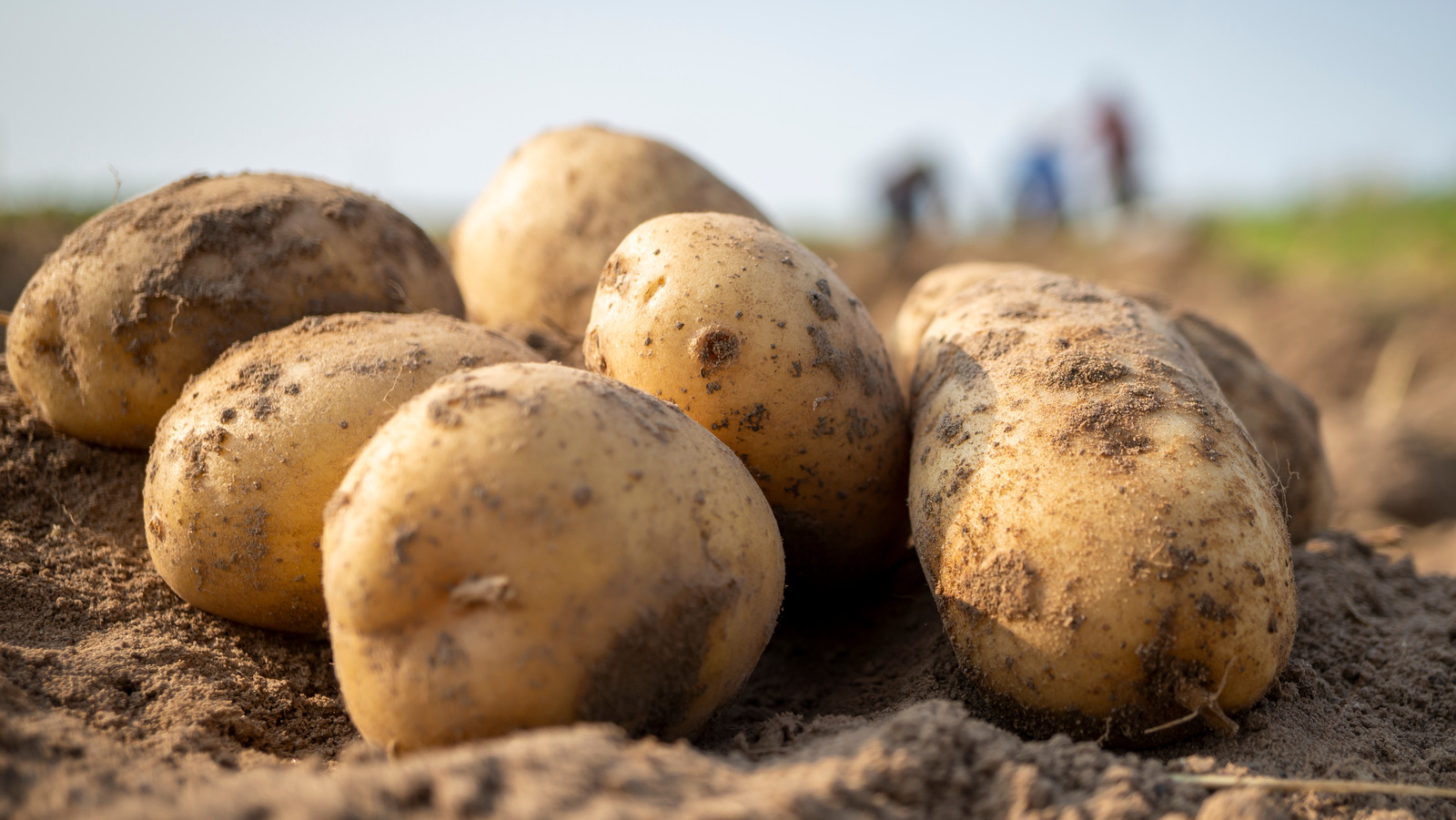
Prince Edward Island, located on the east coast of Canada is known to some as the “Potato Capital” of the world with an annual harvest of 1.45 million tonnes of potatoes. The island’s undulating topography and maritime climate, characterized by over 1,000mm of annual rainfall, harsh winter freeze-thaw cycles, and high winds, pose a threat to its sustainability.
PEI potato farmers, such as Elizabeth Irving of Indian River Farms, are particularly concerned about soil erosion, which is exacerbated by these environmental factors. To address this, initiatives such as reducing tilling, implementing cover crops, and using advanced technology to monitor soil health and crop quality are being trialed.
The European Union is also grappling with the issue of soil erosion, which costs European countries €1.25 billion in annual agricultural productivity loss. To mitigate this, the EU has implemented measures such as requiring farmers to maintain minimum soil cover and appropriate land management to prevent erosion in order to receive financial support. These efforts underscore the global significance of addressing soil erosion in agricultural regions.
The challenges faced by PEI and the initiatives being undertaken to combat soil erosion and disease reflect a broader trend in the agricultural sector, where the impact of climate change and environmental degradation is increasingly being felt. As populations grow and temperatures rise, the shift to more sustainable agricultural practices becomes essential to ensure food security and preserve the health of the soil.
Source - https://www.potatonewstoday.com