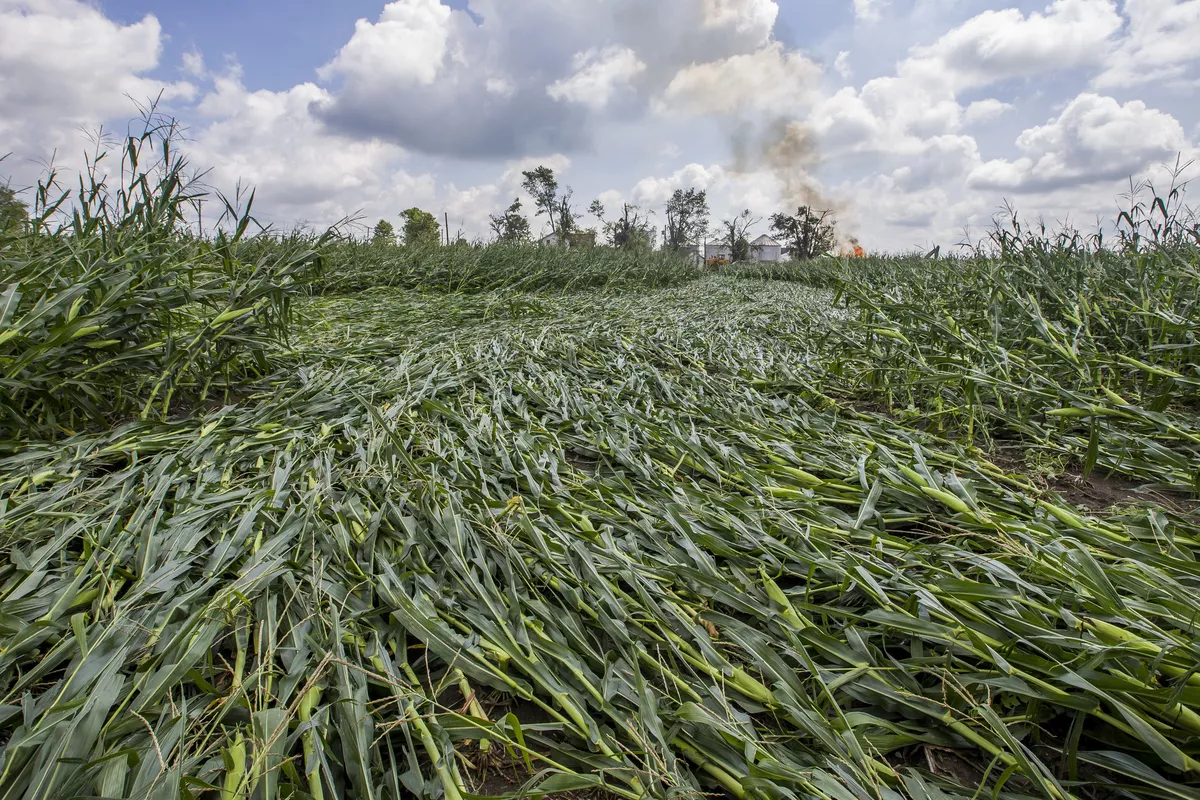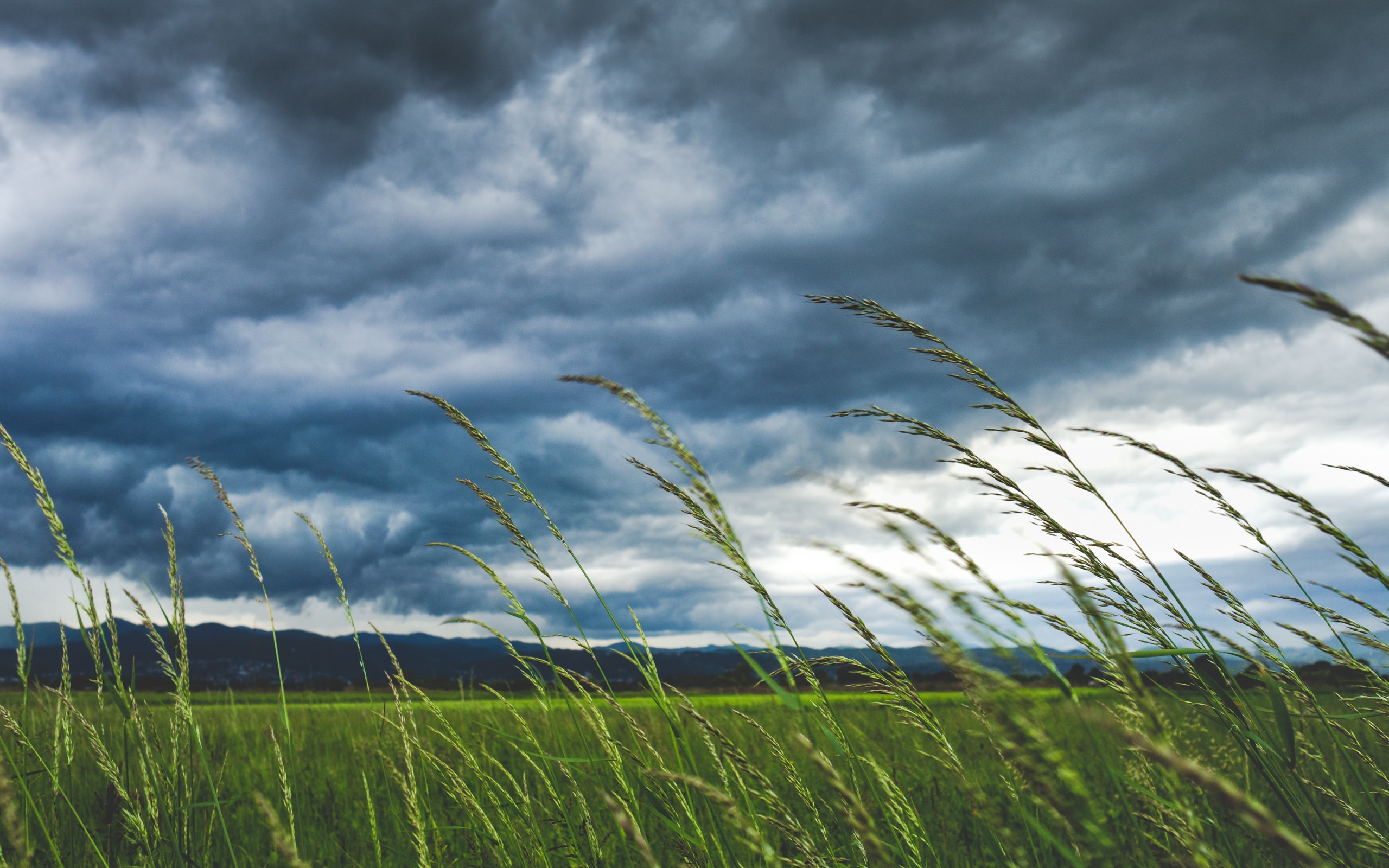
Manitoba Agriculture reports that for southwest Manitoba, “rainfall was inadequate, but temperatures were above normal during most of the season. Some crops were shorter than normal and many fields were variable in crop stage. A few areas in the region received timely rains, but most of the crops missed the moisture at their critical stages of growth. No reports of any severe weather-related damage this year except for some hailstorms early in the season near Oak River, Rivers & Waskada area which caused major losses to the crops, but was very localized. Most of the region remained very dry and hot throughout the growing season, with scattered rains making the difference for crops.
All of the regions received below-average rainfall, with a few small areas seeing heavy rains in July, and August. Some good rains at the end of August gave a good boost to longer-season crops like soybean, corn, and sunflower. Harvest was also started early in some areas but rain during September delayed progress. Due to rain, snow and cooler conditions during early May 2023, spring seeding started slowly for the most part.
Snowfall over winter was lower than normal, and spring runoff was minimal to none in most of the region. Soils were at adequate moisture at seeding time due to some early moisture. Southern areas were able to start before the rest of the region. Minimal pre-seed burn-off occurred, as there was little weed growth at the appropriate staging.
Peas and cereals were seeded into moisture, germinated, and emerged well. Stands were adequate in most of the crops like spring wheat, barley, oats, and canola. Producers had a good start to the growing season in 2023. By the end of May, most crops started to germinate with 80% seeding completed. Harvest activities were also smooth this fall as 75% harvest was complete by the end of September. Regrowth was a challenge in cereals and canola due to late-season rains in these fields. Some farmers sprayed post-harvest products in some fields to control
winter annuals and to conserve the moisture for the upcoming year.
As expected, crop yields were somewhat lower than average due to lack of precipitation, but were extremely variable. Yields were surprisingly good in many areas, considering the challenges of the season. The best yields were due to a combination of timely rains and heavier soils, although consistent heavy dew seems to have helped some later maturing crops.
Winter wheat yielded in the 65 bu/acre range, fall rye came off in the 60 to 80 bu/acre range. Most of the spring wheat graded #1 Canada, with good quality. Proteins were averaging 13.5-14.0%. Yields ranged from 40 to 70 bu/acre, with the majority in 45 to 55 bu/acre range.
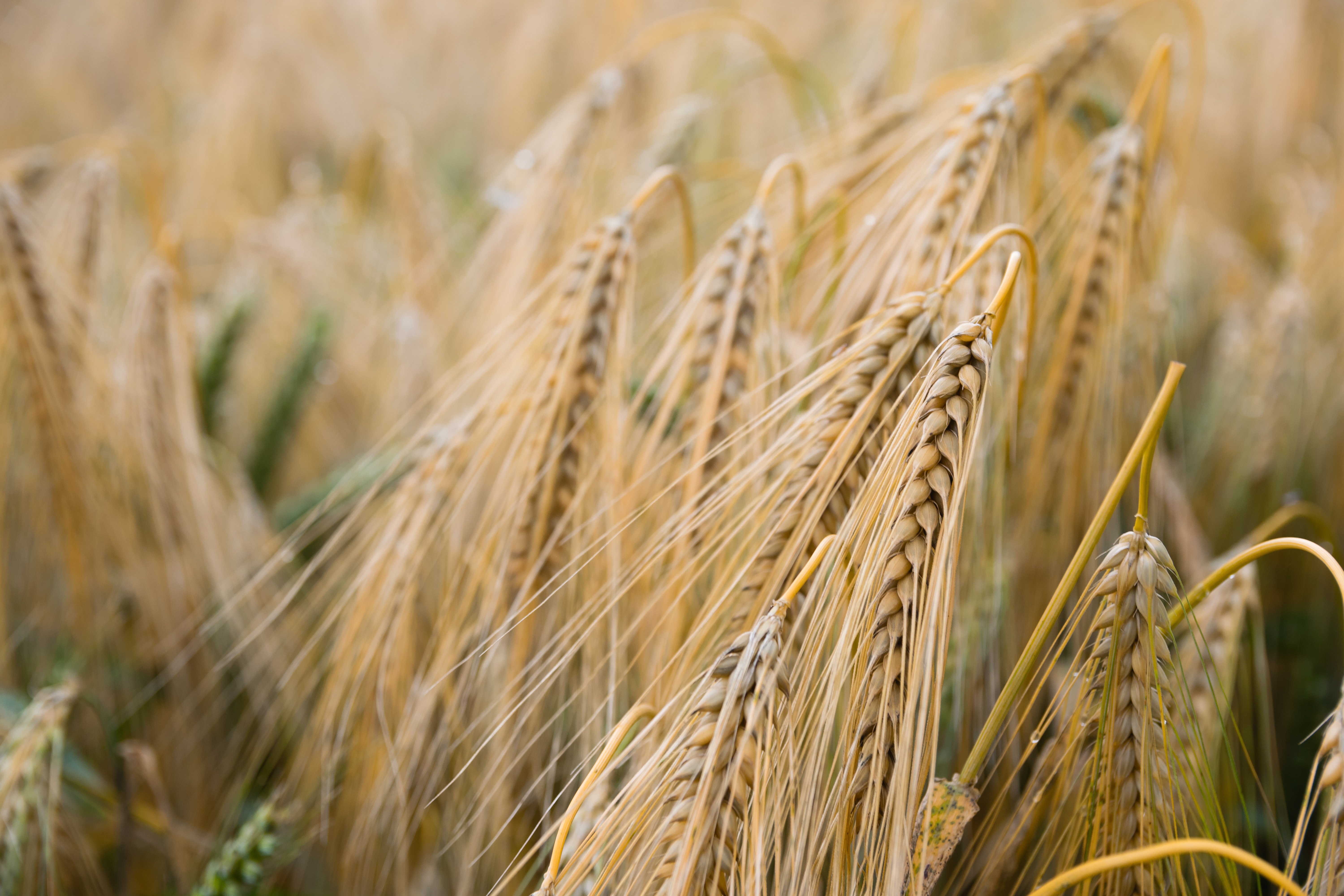
Barley ranged from 70 to 100 bu/acre, averaging in the 75 bu/ac range, with good weight.
Oats ranged from 65 to 120 bu/acre. Test weights varied through harvest, reflecting in-season rainfall amounts. Fewer thins than expected. Downgrading was due to mildew, and rain/high humidity.
Canola yields ranged from 25 to 60 bu/acre, averaging 35 to 40 bu/acre with essentially all graded #1 Canada. The move to straight-cut harvest and pod shatter-resistant varieties allowed stagey crops to stand and ripen, for fewer harvest losses. Some producers experienced canola staying green longer and making conditions for straight cutting more difficult.
Pea yields ranged from 30 to 50 bu/acre, averaging 35 to 45 bu/acre, with excellent quality. Flax yields reported better than last year, ranging from 20 to 30 bu/acre, with very good quality.
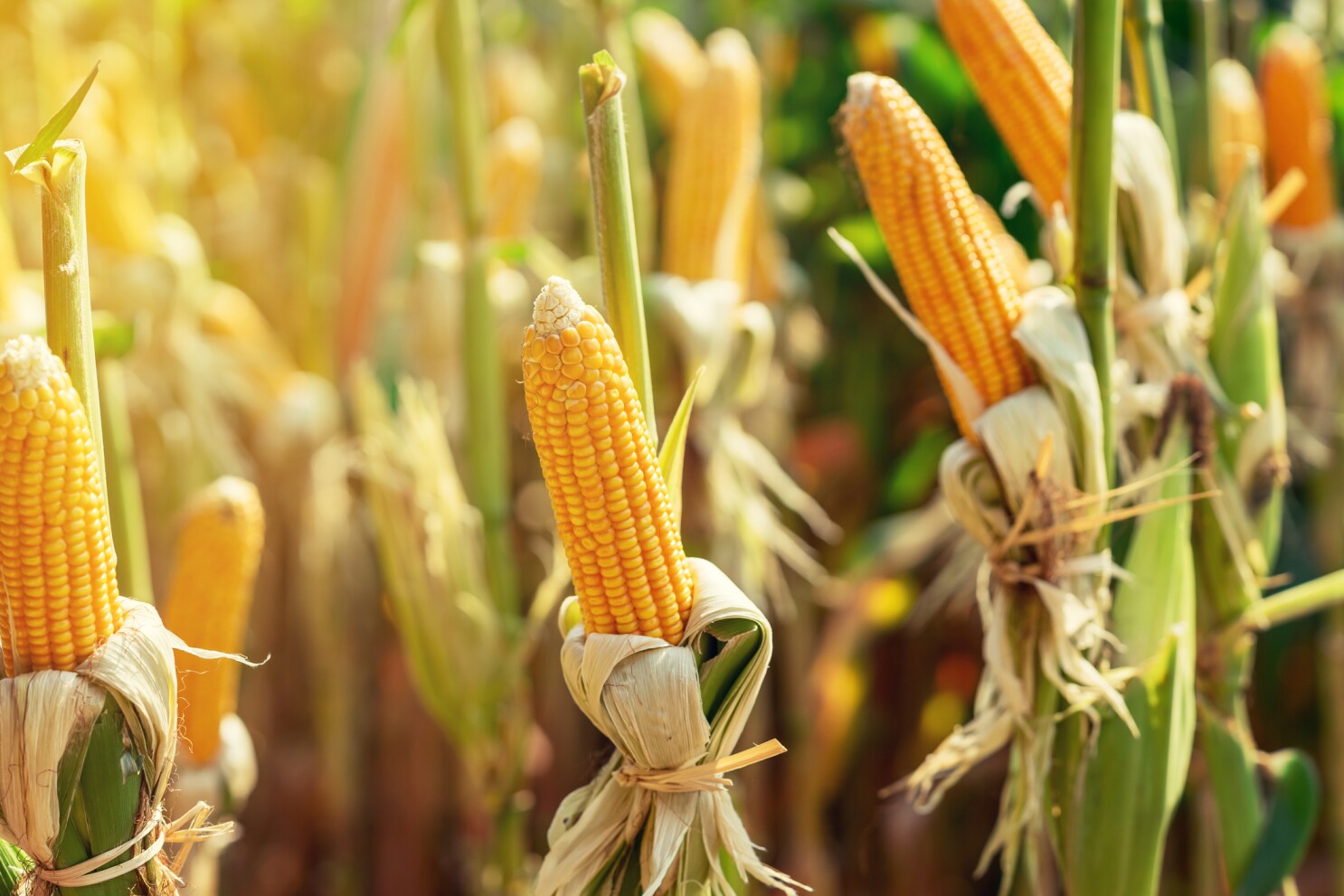
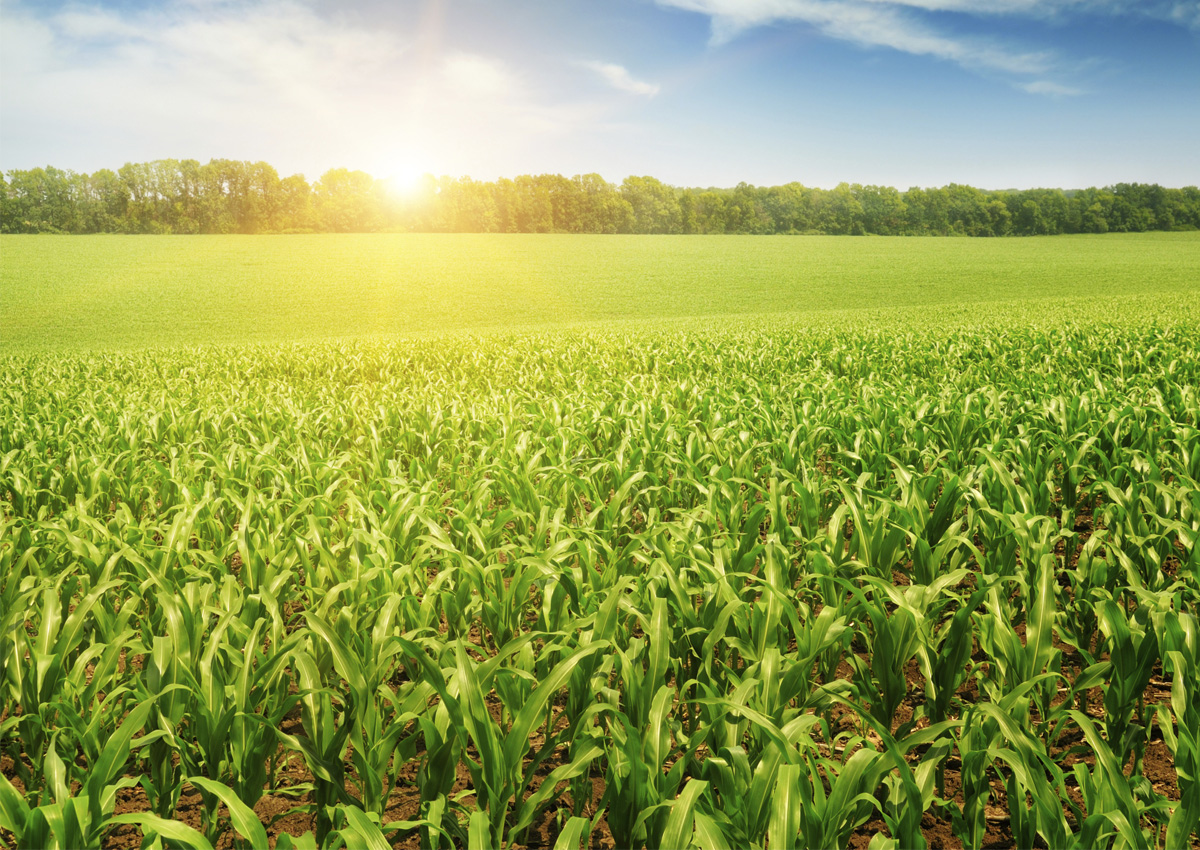
Grain corn harvest continues, now over 50% complete, with several producers finished. Moisture is 12-25% range and yields reported to date range from 80 to 120 bu/acre. The average yield for the region is forecasted to be 90 to 130 bu/acre. Harvest progress has been good.
Sunflower harvest also continues and is as much as 35% complete. Yields range from 1800 to close to 3500 lbs/acre for oilseed varieties, average is expected to be in the 2500 to 3000 lb range. The quality is good. Confection varieties are also yielding well, with an average expected to be in the 2000 to 2500 lb/acre range.
The impact of disease on crops was lower than normal, a consequence of drier conditions. Fungicide applications were made to most of the wheat, and some oats and barley. Fewer canola fields were sprayed than normal, due to dry conditions.
Flea beetles numbers were not as high as previous years but some spraying did occur during emergence. Some areas reported grasshoppers as a problem and sprayed to control the issue. Overall diamondback moth and bertha armyworm infestation was minimal to none in the southwest region. Some reports of isolated fields were treated for cutworms as well, close to the Brandon area. Cereal armyworm was also another pest, which was a problem in some areas of the southwest and producers needed to spray for that.
Source - https://qcountryfm.ca