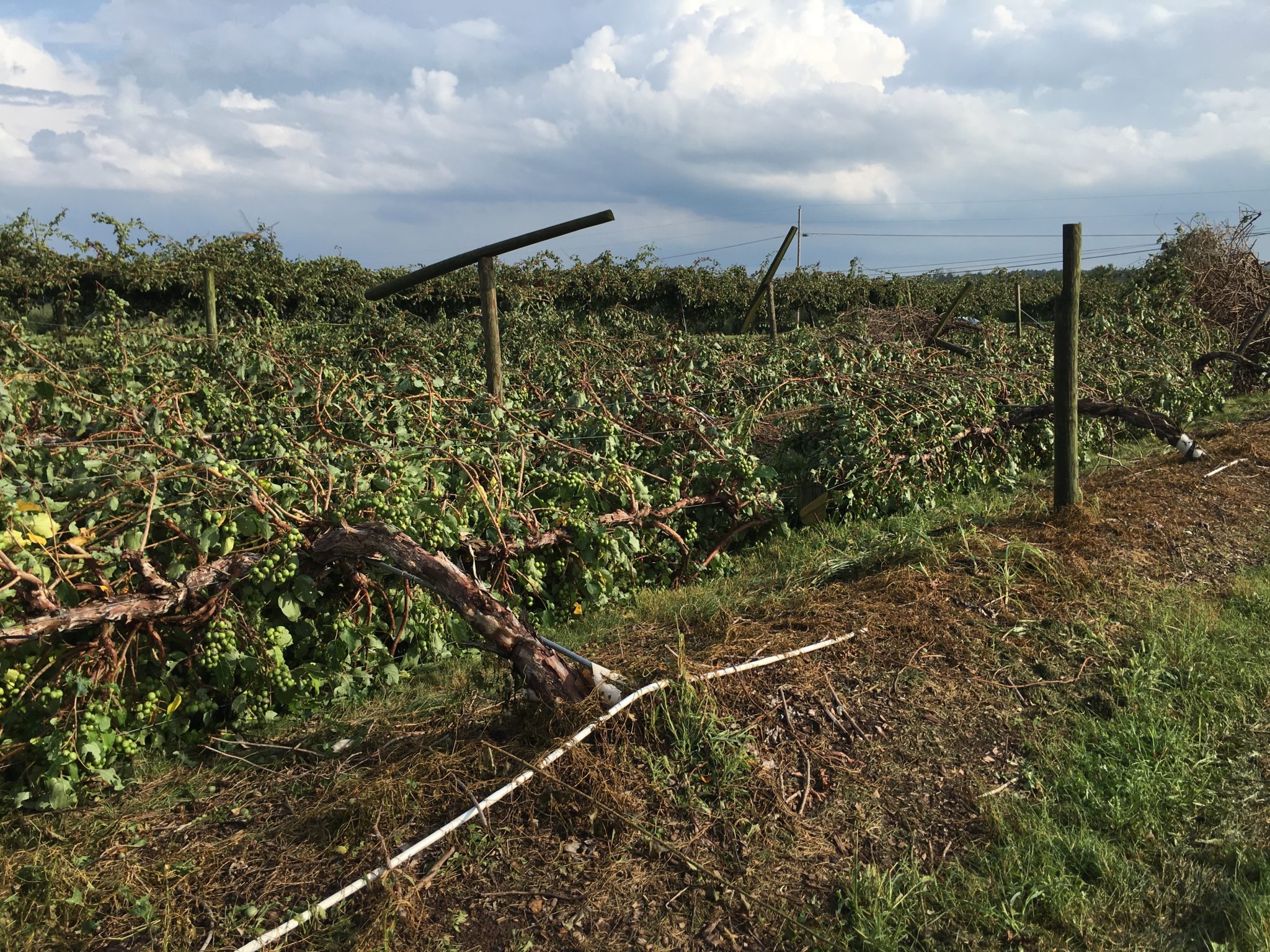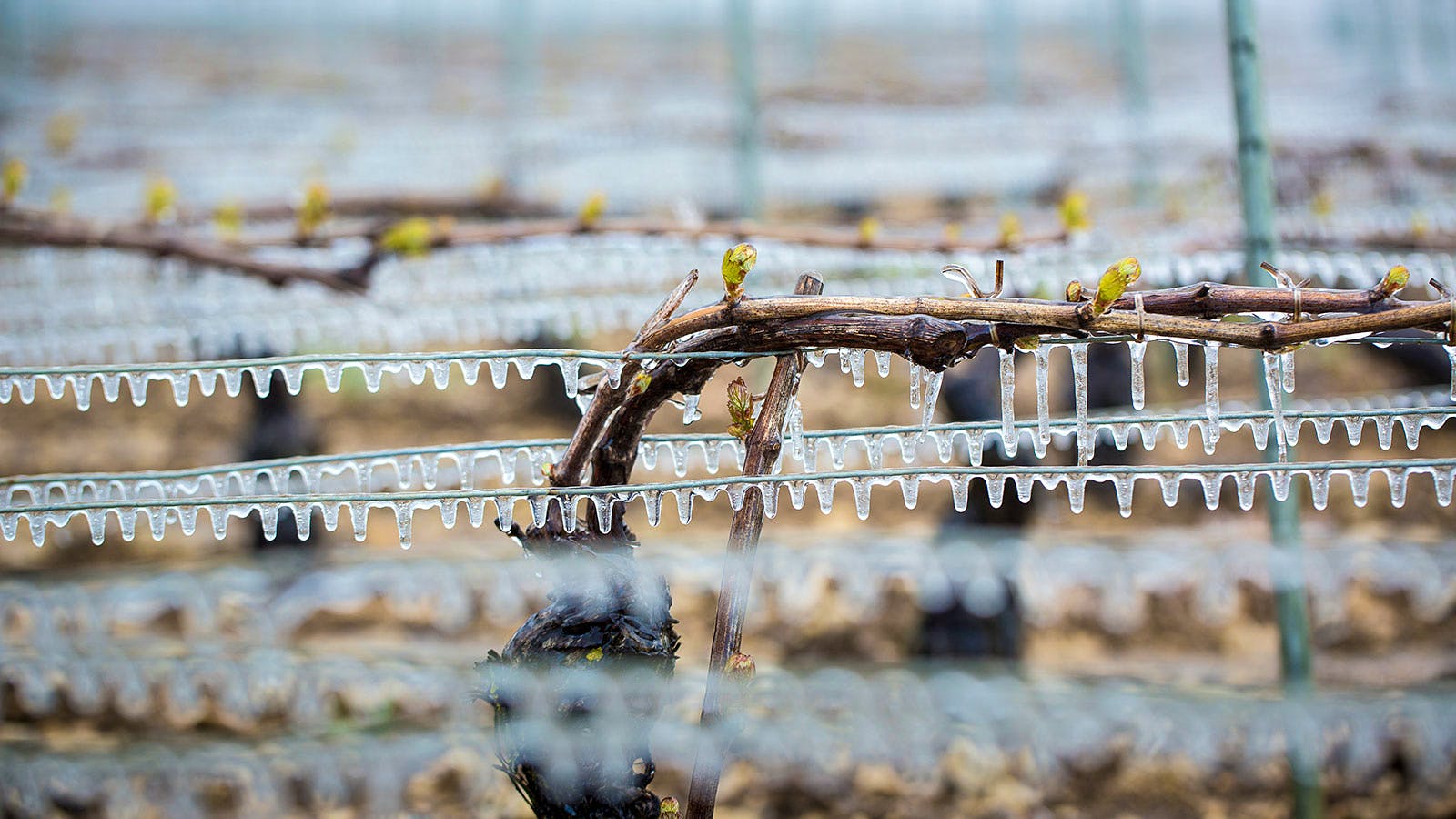
Grape growers in the province will recover, eventually, but are still hurting from the polar vortex a year ago, says the president of the Grape Growers Association of Nova Scotia.
Steve Ells, who is also the vineyard manager of Benjamin Bridge Winery in Gaspereau and owns Ellslea Vineyard in Sheffield Mills, said it will still be a few years for growers to get back to the crop levels they saw before 2023.
The cold snap early last February wiped out a lot of the crop and damaged many vines, with the damage turning out as was expected based on what growers saw in vineyards after the vortex moved out.
“We were pretty much on with what the in-year loss was,” Ells said. “We had about a half crop of hybrid varieties, and no crop at all in the vinifera varieties.”
Vinifera varieties are those used for higher-end wines such as Chardonnay, Pinot Noir, Riesling and Sauvignon Blanc.
Hybrid varieties are used to produce Tidal Bay, l’Acadie and Frontenac.
“As far as vine death goes, it's sort of all over the map (in effects),” Ells said. “It had a lot to do with the previous health of the vines, whether (there were) any viruses involved, how much tile drainage was in the vineyard, there were so many factors those (direct) losses are hard to nail down.”
The vinifera vines were hit the hardest again, with about a third needing to be replaced, a third that can recover in a few years of careful management and a third back in limited production this year.
Vines recovering in a few years is still a better outcome that having to replace the entire vineyard.
However, if it’s at the point that only 50 to 60 per cent of a vineyard is recoverable, “It’s almost better to replace them all, because having different aged vines makes management challenging, (it's) inefficient and really reduces your wine quality having the different ages.”
“He said if the block of a vineyard is 75 per cent recoverable “that’s a much better outcome, because to pull those vines out is a big cost, and the way it is right now you might have to wait two years before you can get a grafted vine if you order it right now. Then you’re looking at six years before you have any crop.”
He said talking to viticultural consultants, “even the hybrid vines that came back quite nicely, we really don’t want to put a full crop on them this year because they had a significant stress event. Even if they produced a crop last year… they need to be babied a bit for another year.”
That means growers are encouraged to keep their production on vines to 75 or 80 per cent to provide more recovery time.
Hopefully next year (2025), if we do that, we can get our hybrid vines back to 100 per cent production,” he said.
“It’s about looking long-term down the road instead of only trying to look at this year.”
Source - https://www.saltwire.com