OFA has provided comments to the Ministry of Natural Resources for their consultation on proposed changes to streamline natural resource permits: fish and wildlife modernization. OFA supports the proposed changes in the noted consultation, particularly measures that would provide farmers with more timely and practical tools to protect agricultural property from wildlife damage.
OFA supports a streamlined class-agent model that would allow qualified agents to assist property owners without requiring individual Ministry authorization. The Ministry should also retain a simple, timely process for approving legitimate agents who do not fall within a prescribed class. Agents should act only with the express permission of the property owner or lawful occupier, and class-agent status should not create an independent right to enter private property.
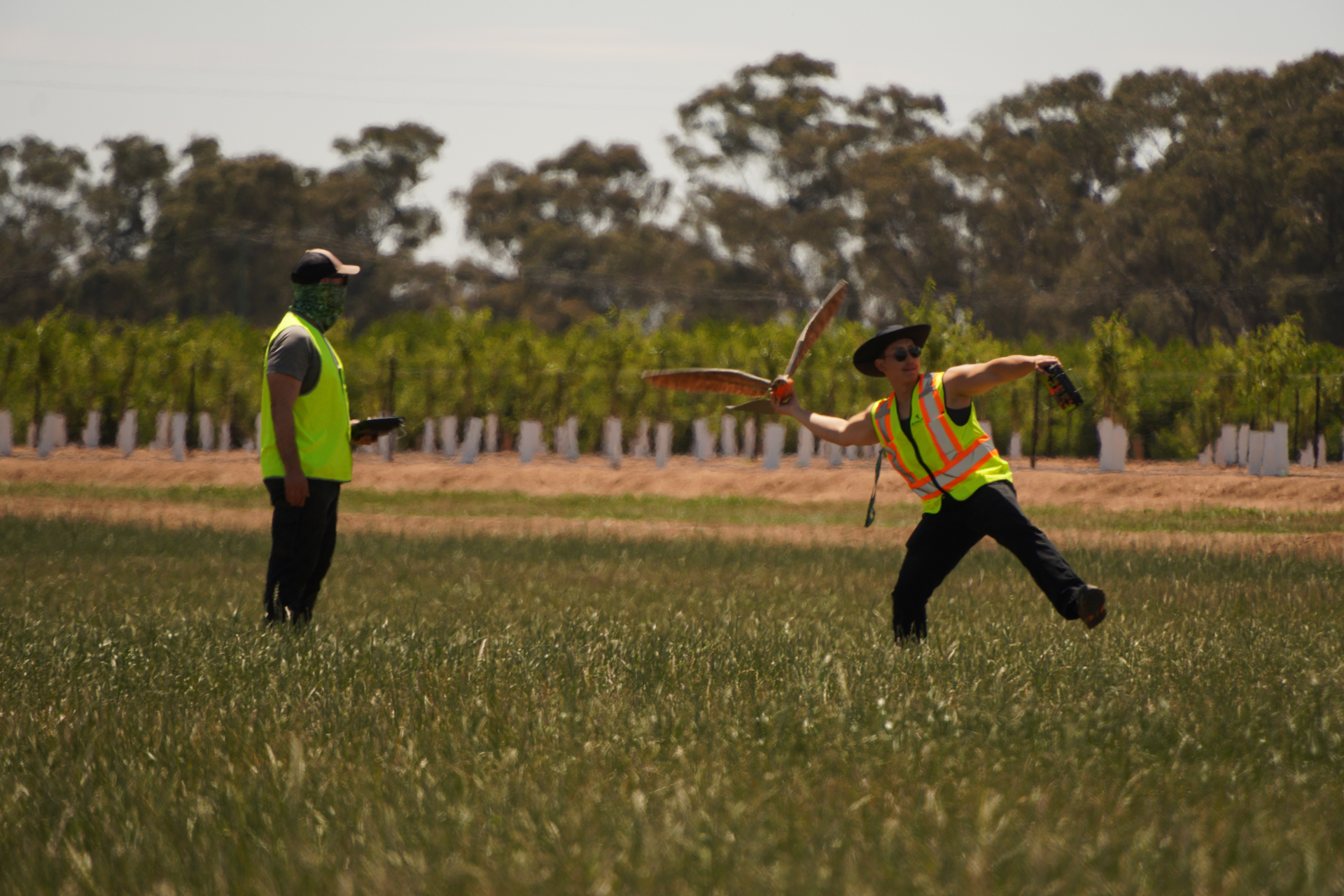
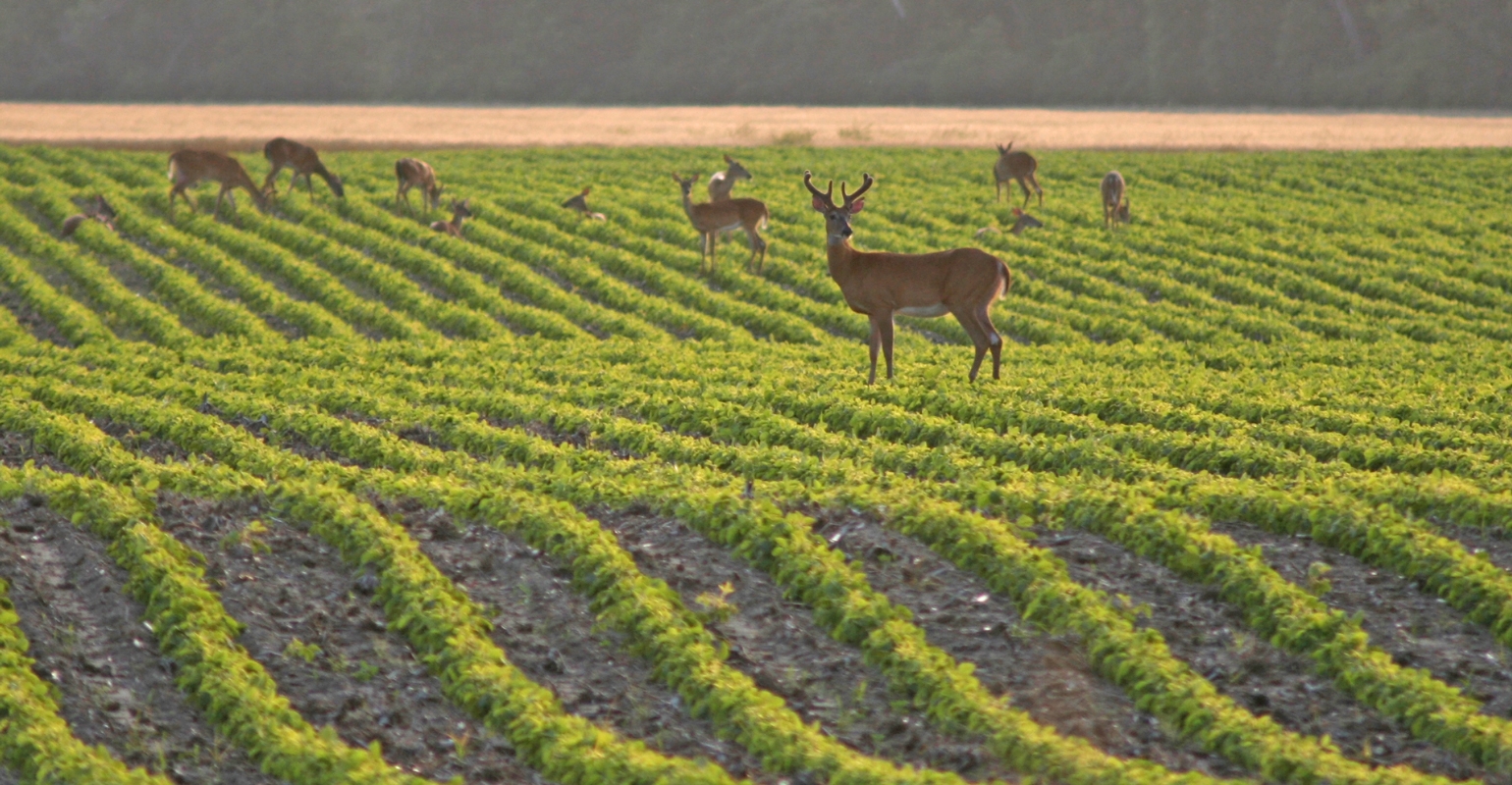
OFA supports allowing property owners to harass white-tailed deer and American elk without prior Ministry authorization when protecting property. Farmers need immediate access to reasonable, non-lethal deterrence to protect crops, stored feed, fencing and other agricultural property. Final rules should clearly define permitted and prohibited methods and clarify what constitutes routine, non-injurious harassment.
Where non-lethal deterrence is ineffective or insufficient, farmers need timely access to deer and elk removal authorizations. OFA recommends a prompt and transparent process, including an expedited option where active damage is occurring. Authorizations should be able to identify qualified agents selected by the property owner or occupier, with written reasons for denials or restrictions and timely reconsideration. Seasonal or multi-year authorizations should also be considered for farms experiencing recurring damage.
OFA also recommends expanding wildlife damage compensation to crop producers. Wildlife damage can create recurring losses to crops, stored feed and farm property, while existing compensation does not provide comparable coverage for crop losses. A dedicated program or expansion of the Ontario Wildlife Damage Compensation Program should address wildlife-related crop losses not covered by production insurance.
Overall, the final framework should provide farmers with practical tools to prevent and respond to wildlife damage while supporting sustainable wildlife management and compensation for agricultural losses.
Source - https://ofa.on.ca