An announcement at the Western Canadian Crop Production Show on Tuesday morning brought an announcement by the governments of Canada and Saskatchewan about a $9.7 million investment in crop research for the province.
Federal Minister of Agriculture and Agri-Food Heath MacDonald and Saskatchewan Minister of Agriculture David Marit shared the announcement at the Western Development Museum in Saskatoon.
Thirty-nine new crop research projects will be supported with $7.2 million of that funding through the Agriculture Development Fund (ADF) and $2.5 million through the Strategic Research Initiative, specifically to study the long-term management of herbicide-resistant kochia and wild oats.
Marit said the money will ensure some of the best minds are focusing on Saskatchewan research and yields. He highlighted work on new varieties of crops and work on crop diseases to help bolster the agriculture sector in the province.
Research by and for Saskatchewan
More than $4.5 million of the funding from Tuesday’s announcement will go to 24 University of Saskatchewan-led research projects. More than half of the total 39 projects being funded are spearheaded by researchers at the U of S.
Several experts from the Saskatchewan university are also part of a research team led by Agriculture and Agri-Food Canada. Research scientist Shaun Sharpe is part of that team. His work primarily focuses on weed management and the prevention and mitigation of herbicide-resistant weeds.
Sharpe said kochia is a weed he spends a lot of time thinking about, with its issues being “ever-escalating.”
He said his research has been looking into additional biotypes of kochia, for example, that might have different responses to different methods or treatments. There are some instances where kochia is a tumbleweed, he shared.
“It is very challenging to manage, because it’s not just a weed in the agricultural fields. It’s also on the margins. It’s in the neighbor’s fields. If there’s any areas that are uncropped, it can be there as well, and it has a high propensity to tumble because of the wind that we have here. So it makes it very, very challenging for growers to try to manage,” Sharpe explained.
He said kochia can be very resilient to stress and will thrive in areas with high salinity, like salt-affected prairie soils. The plant is also a heavy seed producer, with each plant having the potential to produce up to 10,000 seeds, which can lead to kochia being sown at high or low densities in different parts of a field.
Sharpe has counted those dense areas as having up to 10,000 plants per square metre.
“When you’re trying to kill things with herbicides, maybe we should skip those patches. Or maybe there’s an alternative approach that can be done to take the pressure off the herbicides just in those areas,” Sharpe explained.
Hope for short-term tariff resolve
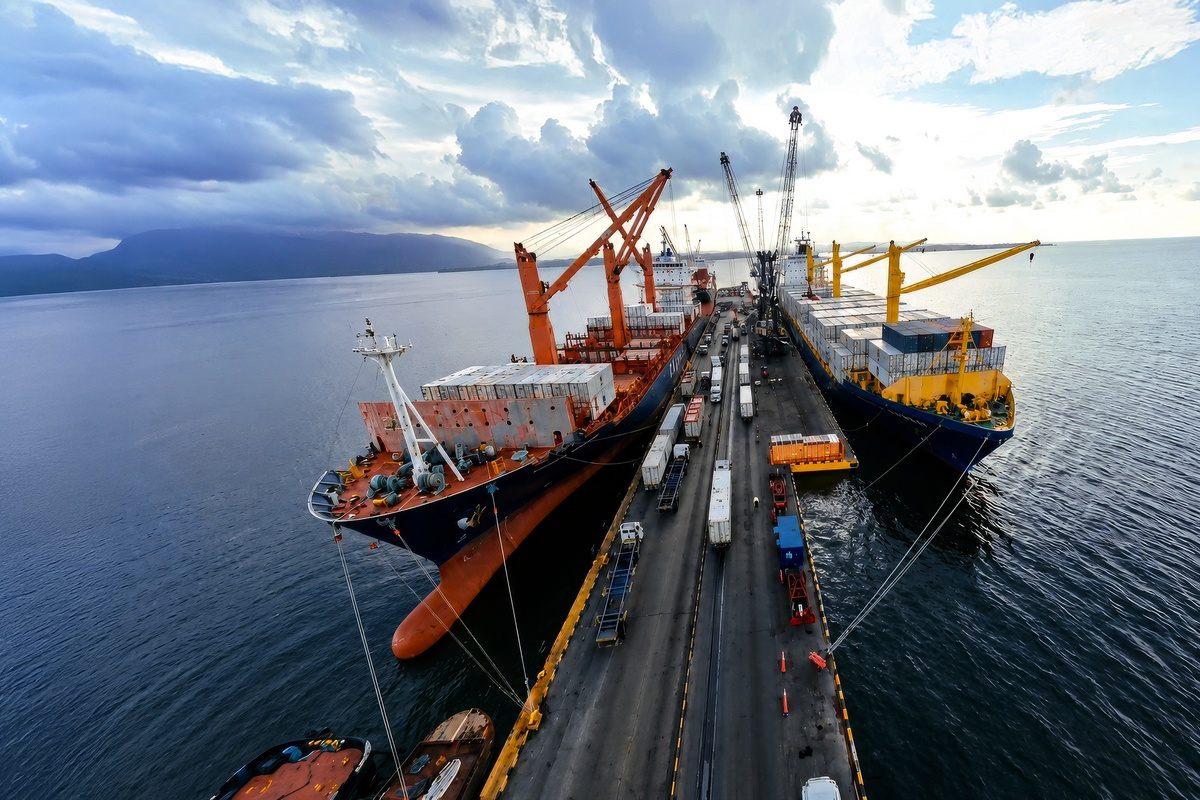
The announcement comes the same week Saskatchewan Premier, Scott Moe, is travelling to China for the second time in four months, this time to join Prime Minister Mark Carney.
Moe was last in China on a visit in September 2025. Marit suggested he is optimistic about the visit, given that he was asked to partake in this trip with Carney.
“My optimism would probably on the higher end now that there’s going to be some resolve, if not immediate, probably in the very near future,” Marit suggested.
“I’m sure our Premier’s going to be having the full discussion about … the canola tariffs and the pea tariffs … and the impact it’s having,” Marit said, “not only here to the producers, but for the food that they do also need in China.”
Marit noted some urgency in seeing tariffs on Saskatchewan crops lifted, ideally before spring.
“It’s obviously something we really do need,” he said, emphasizing the impact on crushing canola.
“It’s going to have an impact, obviously, on the market, and it’ll also have an impact on what farmers decide to put into the ground.”
Marit said farmers are seeing tariffs manifest in their operations with prices for crops down and crushed canola capacity not at its peak. He said the uncertainty for the China market, with it being a major trade partner, is an issue that would be beneficial to see resolved.
Tariffs remain Marit’s main focus this year, as well as a positive growing season this year and future trade missions.
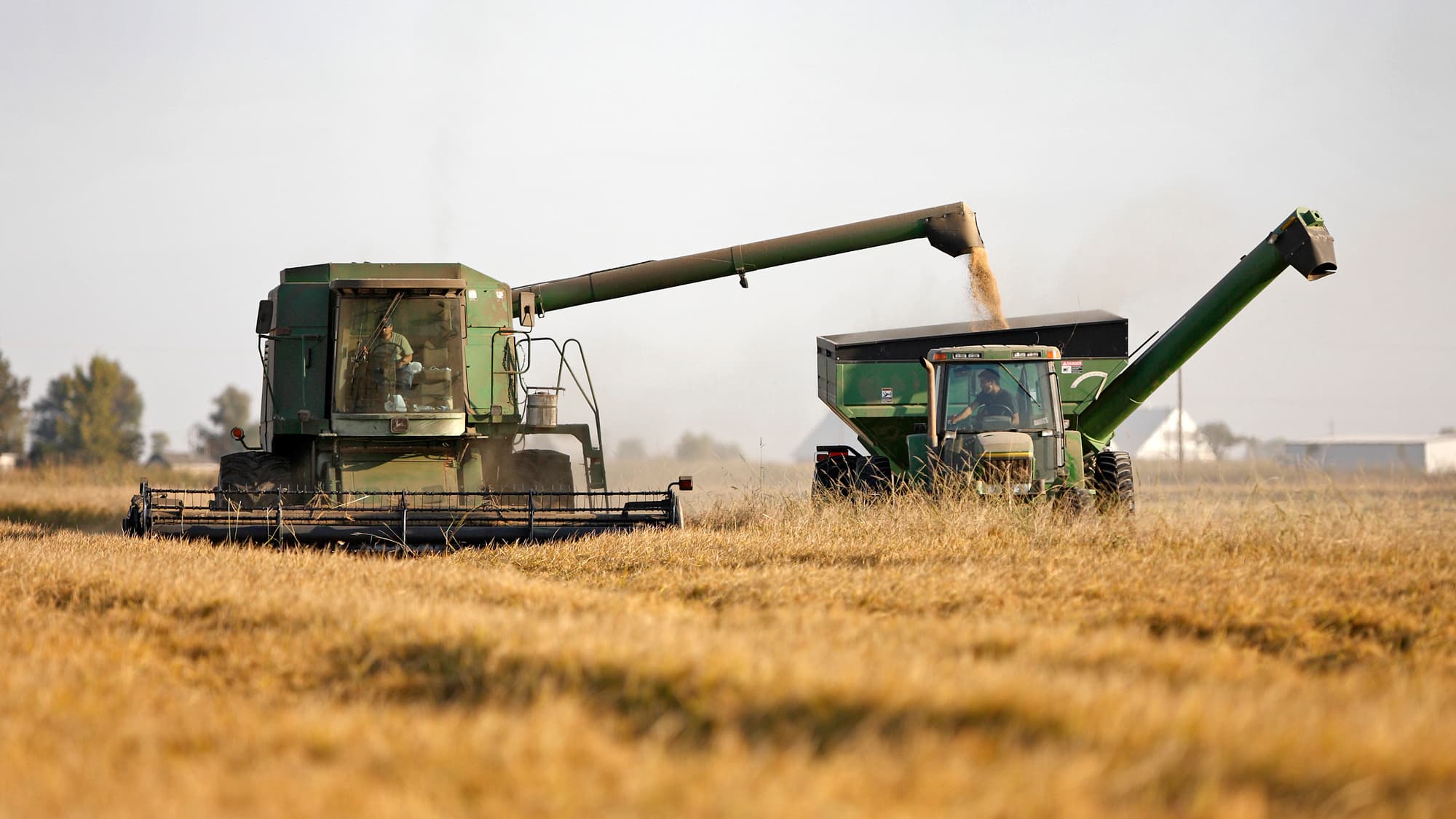
“We’re coming off one of our record crops. Again, it’s obviously market access to a lot of the things. We will continue to build our trade side. We’re seeing that side grow a lot.”
Source - https://panow.com