To get an idea of the financial toll extreme weather is taking on this country's agriculture industry, look no further than the government of Saskatchewan's books.
The Prairie province had forecast a surplus of more than $1 billion for the fiscal year ending March 31, 2024, but fresh budget documents released last month show that surplus has completely evaporated, leaving Saskatchewan with an approximate $482-million deficit for the year instead.
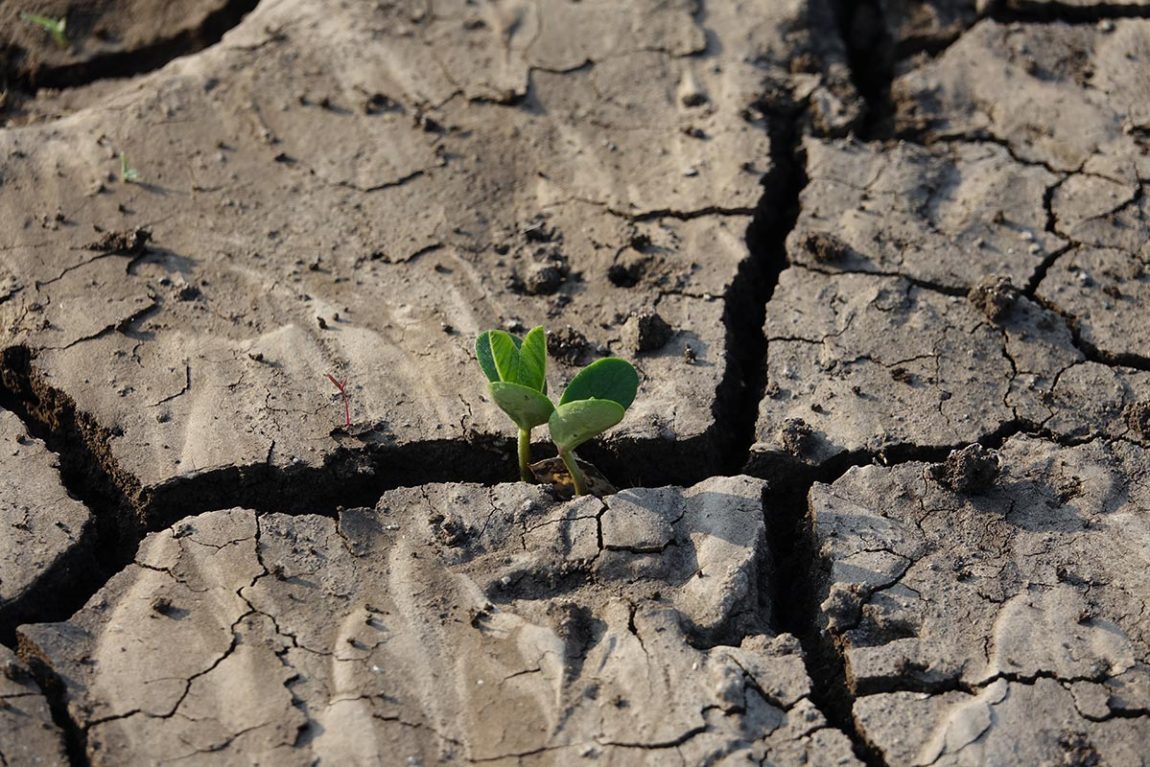
The reason for this dramatic reversal? In large part, drought and a resulting increase in government crop insurance payouts.
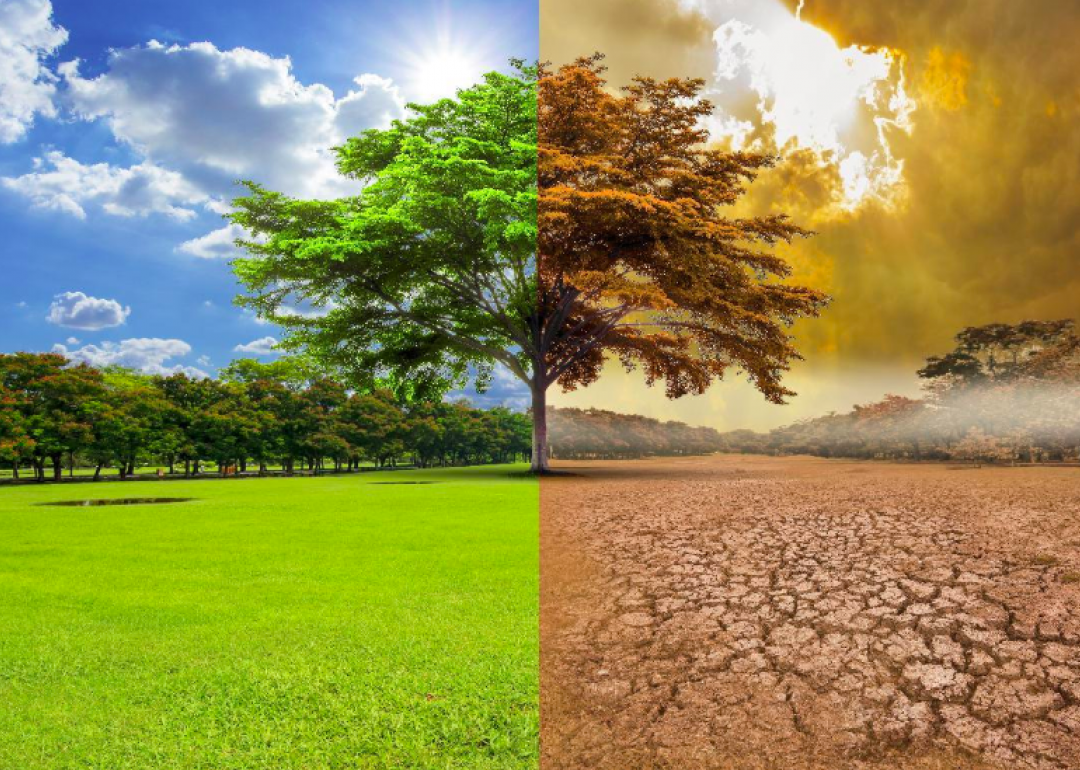
It's an example of what some experts say Canadians can expect to see more of as climate change pressures agricultural production.
Taxpayer money already supports the agriculture industry in Canada to the tune of billions of dollars each year, and some say the bill will go up as climate change-driven natural disasters make it harder for farmers to eke out a living.
"We are going to see more droughts, more pests, the yields won't be as good," said Guillaume Lhermie, director of the Simpson Centre for Food and Agricultural Policy at the University of Calgary.
"For me the question is, who should pay for that? I do foresee that government will be solicited more and more."
In Canada, crop insurance is available to farmers in all provinces to help cover production losses in the event of natural hazards such as drought, flood, excessive heat or snow and more.
It is part of a suite of business risk management programs, all jointly funded by the federal and provincial governments through what is called the Sustainable Canadian Agricultural Partnership.
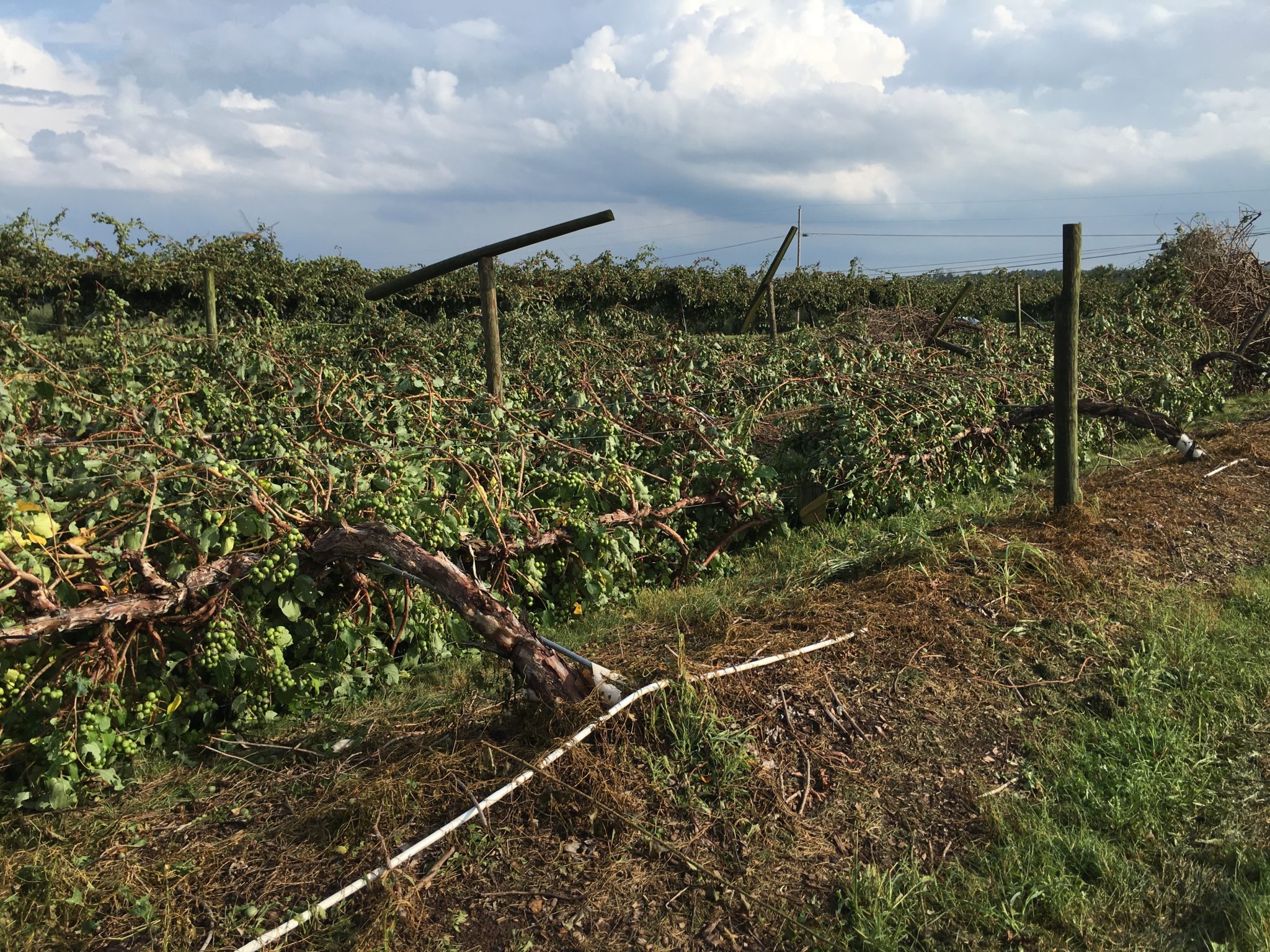
But extreme weather — from drought to wildfires to "heat domes" to flash floods — has plagued farmers from coast to coast in recent years.
In Saskatchewan's case, last year's drought conditions strained crop production, resulting in a year-over-year output decrease of nearly 11 per cent and forcing the provincial government to spend nearly $1.2 billion more than budgeted through its Ministry of Agriculture.
For the coming year, provincial Finance Minister Donna Harpauer said in her recent budget address that as a result of the "challenging weather and soil conditions," Saskatchewan is budgeting $431.7 million this year — a 5.8 per cent increase year-over-year — to ensure crop insurance and other farm risk management programs are fully funded.
It's not the first time drought has thrust a wrench into the province's finances — in 2021, Saskatchewan farmers saw one of the largest production declines in the province's history (47 per cent year-over-year) due to extreme heat and drought conditions.
The Saskatchewan Crop Insurance Program paid out a record $2.6 billion to farmers that year to help cover their losses.
Large crop insurance payouts have been an issue in other provinces as well.
In Alberta, the provincial Crown corporation known as the Agriculture Financial Services Corp. paid out $2.1 billion in 2021 and $552 million in the 2022 crop year, with drought as the leading cause of loss for the vast majority of those claims.
AFSC has warned that Alberta farmers can expect to see higher crop insurance premiums for the 2024 crop year, mainly due to the program's financial losses in 2021 and 2022.
Above and beyond crop insurance, Canada also has a federal-provincial-territorial disaster relief framework that can be triggered when farmers encounter "extraordinary costs," such as the extra feed costs ranchers in Western Canada have had to pay in recent years as drought dries up their pasture lands.
For the three-year period ending Dec. 31, 2023, more than $1.4 billion was paid out to Canadian producers in the form of disaster relief under that framework, which is called AgriRecovery.
Keith Currie, president of the Canadian Federation of Agriculture, said while the disaster relief funding is welcome, severe weather events are becoming so commonplace that the entire system may need to be re-evaluated.
AgriRecovery, for example, has been criticized as being too slow to respond in the wake of a disaster. Currie said it's not uncommon for farmers to wait months or even a year to receive funding.
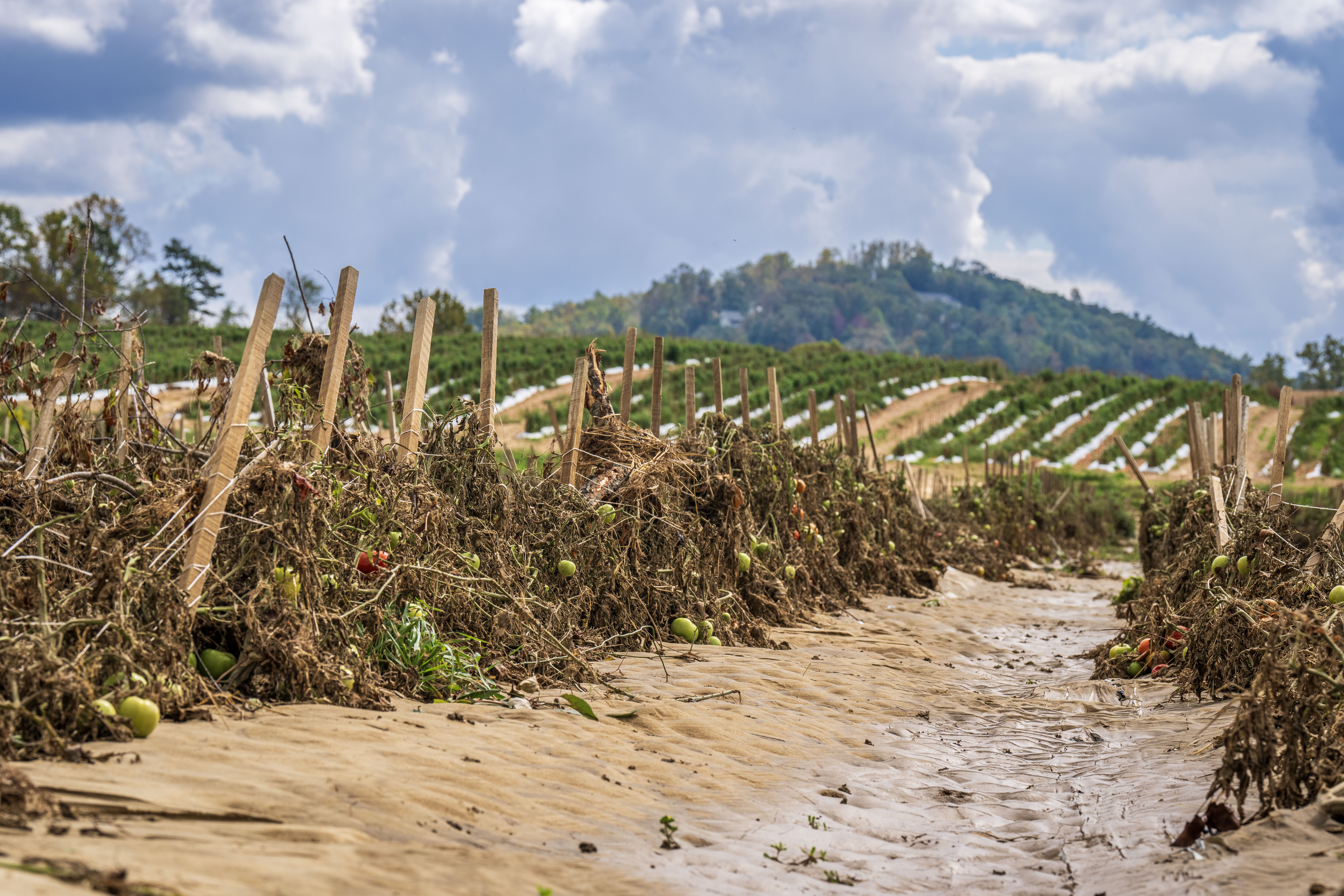
"When we look at events like the 'atmospheric river' that happened in B.C., the hurricane impacts that have gone on in Atlantic Canada, or even the smoke damage from wildfires and how that's affected crops, we need better risk management programs to help farmers have some sort of assurance that they can survive these kinds of climate change impacts," Currie said.
While crop insurance will always be necessary, said Shannon Sereda, director of government relations for the industry group Alberta Grains, governments can mitigate against the financial toll of extreme weather by stepping up investment in agricultural research.
"One of the best defences we have against climate change or extreme weather events is really investment in research," Sereda said, adding science can reduce climate-related crop failure through innovations such as the development of drought-resistant seed varieties.
Stewart Oke, who farms in central Alberta east of the city of Red Deer — a part of the province nicknamed "Hail Alley" for its reputation for punishing storms — said he "couldn't operate" without crop insurance to protect him from unexpected losses.
But while he acknowledged that the program is costly for both producers and governments, he said he believes it is sustainable as long as investments in research and technology keep pace.
"With access to innovation, there's a lot of things that we can do as producers that will help keep our risk at a controllable level," Oke said.
Lhermie, the University of Calgary professor, said in the short term, climate change means governments will have no choice but to pour more money into the agriculture industry to help it withstand extreme weather events.
In the longer term, he suggested governments may want to consider making financial support for farmers conditional on certain environmental practices, such as soil health and biodiversity management.
"You could technically say that if you want to be insured then you have to be a good steward of the land. That's something that could be doable, in the future," Lhermie said.
"Because in Western countries, when these [agricultural disasters] happen, governments are intervening a lot — meaning they subsidize and cover the losses. But in the long run, that's just not sustainable for government spending. It costs a lot of money."
Source - https://www.cbc.ca