While the winter can feel unforgiving at times in most parts of Canada, in the early 2024, the Okanagan faced especially extreme cold conditions.
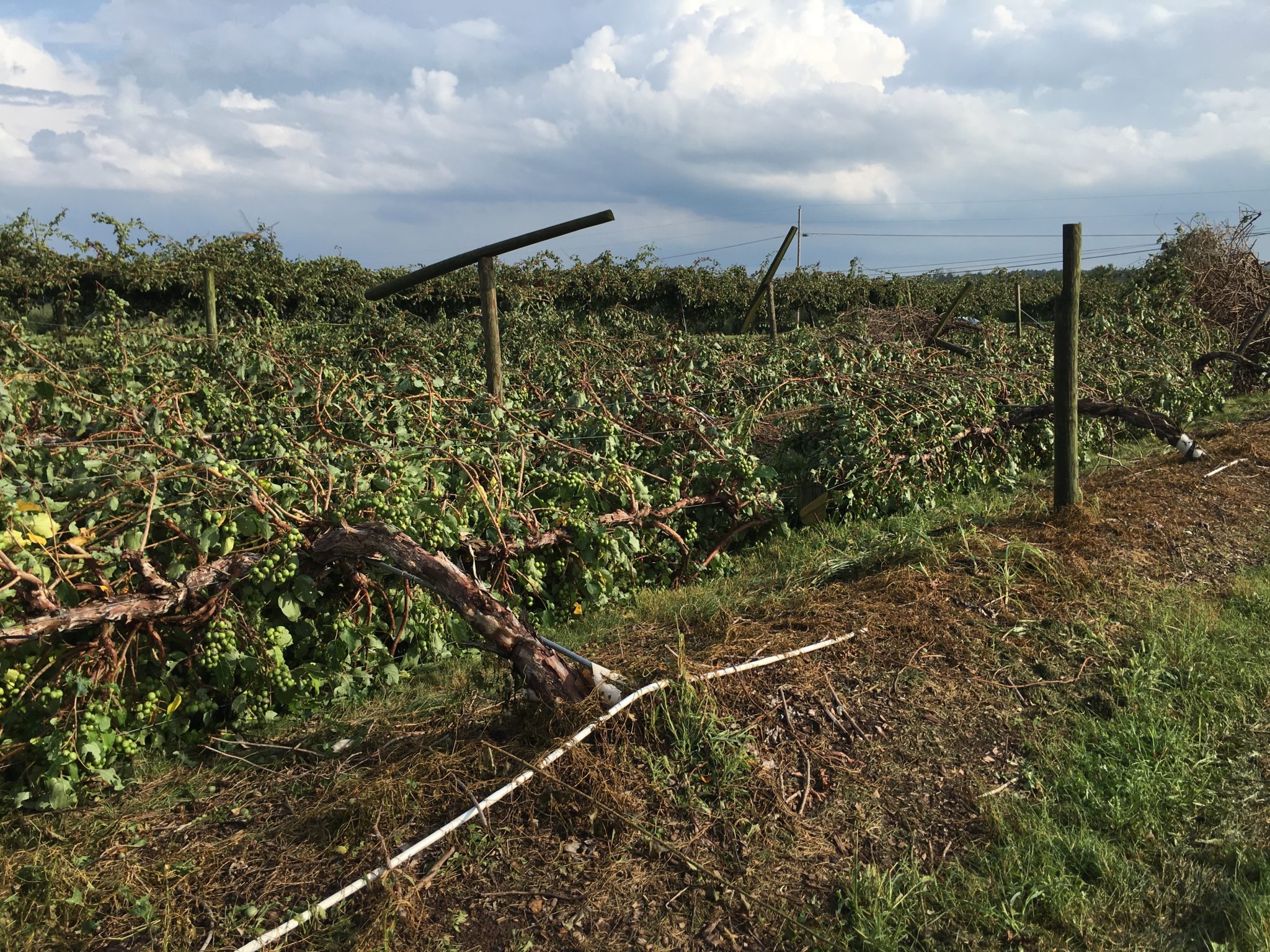
Sadly, this has resulted in an almost entire loss of crops for grape growers in the region. This devastating loss coms several years after some of the worst fires the region has experienced (2020 and 2021). This left many vineyards with diminished returns and smoke tainted fruit.
Extreme weather events have become the norm across the globe and this means that farmers in all industries will likely experience crop loss. It is a very real possibility that many wineries may have to look for creative ways to manage their business in the future.
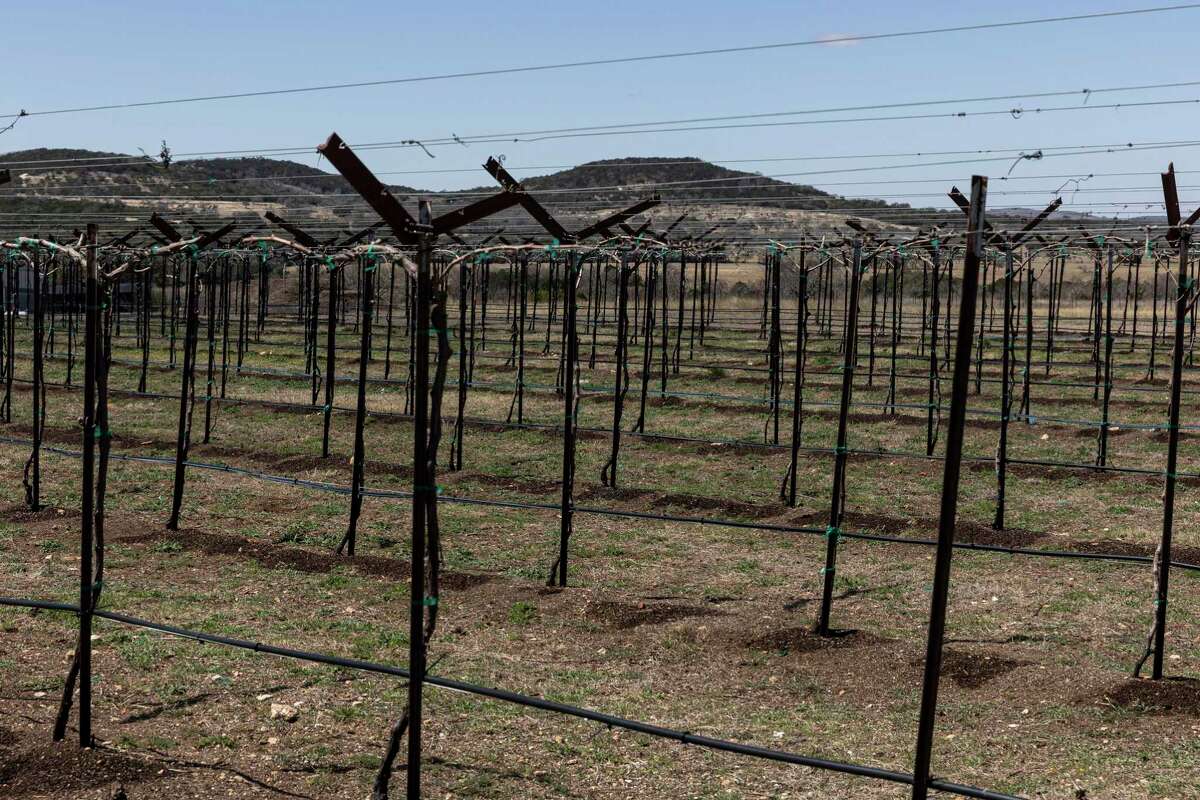
Most producers are seeing little to no signs of growth within their vines, and this could result in years of recovery before they see production again. Typically, after a grape vine is planted, it requires a minimum of 2-3 years of growth before the fruit can be harvested and used for quality wine production. If the cold conditions have killed the vines, wineries will be faced with years of replanting and growth before they can ramp up production.
“The upper end of optimism is hopefully the vines aren’t dead. We can hopefully see 50 – 60% production next year. Otherwise, if the vines are actually dead then we are facing a 3–5 year replant period,” explains Blasted Church winemaker Evan Saunders.
Christine Coletta is the owner of Haywire Winery and has been a leader in the BC wine industry since its early inception.
"We’re farmers and we could have a crop failure and we have to be prepared for that. In saying that, there are a lot of smaller players who haven’t been around for 15 years like we have and had the ability to build up inventory. They will have to do something to be able to survive in the long term.”
2022 and 2023 did provide excellent conditions for grape growth, despite offering lower yields. This allowed wineries with developed capital to fill their cellars and allow them to better weather the storm. And while some wineries will be able to make it through with their current inventory, others have looked at bringing in fruit from outside of the Okanagan.
Washington State is the most attractive region with its close proximity and similar varieties to share. This would mean that all wine made from outside fruit during this year would not be VQA-certified but it does provide some financial relief and allow wineries the opportunity to participate in production.
Producers in the region do have access to crop insurance but this system is outdated and does not take into consideration all levels of production within the industry while only providing relief after 30% of a producer’s crops have been damaged.
“Some wineries have crop insurance. But it doesn’t pay for the entire cost of replanting. It doesn’t pay for the cost of farming for three years without a crop. And it doesn’t pay us for the loss of crops to process and sell. It’s a very incomplete program in need of reform," says Coletta.
One of the pieces that often gets lost in these conversations is the human capital, in particular the laborers, that face loss of employment or wages when these events happen.
At Haywire, Coletta has a team of 12 that skillfully manage the vineyards and winery. It's a sustainable winery with a large understanding that the life of their vineyards extends beyond the health of the grape vines. This year Haywire’s team will be working on planting pollinator crops, including wildflowers and lavender, and cleaning up the vineyards to help encourage the recovery of the vineyards and biodiversity in the region for future years.
Consumers that are looking to support their favorite wineries during these challenging times should look at signing up for their wine clubs, ordering directly from the winery where available, and making plans to visit them.
“It’s easy to get bogged down in the negative. On a positive side, the cellars are full. 2022 was a fuller crop with beautiful wines. Right now the cellars are as full as they’re going to be for the next little while, and tastings are open and ready to welcome people,” says Saunders.
Source - https://eatnorth.com