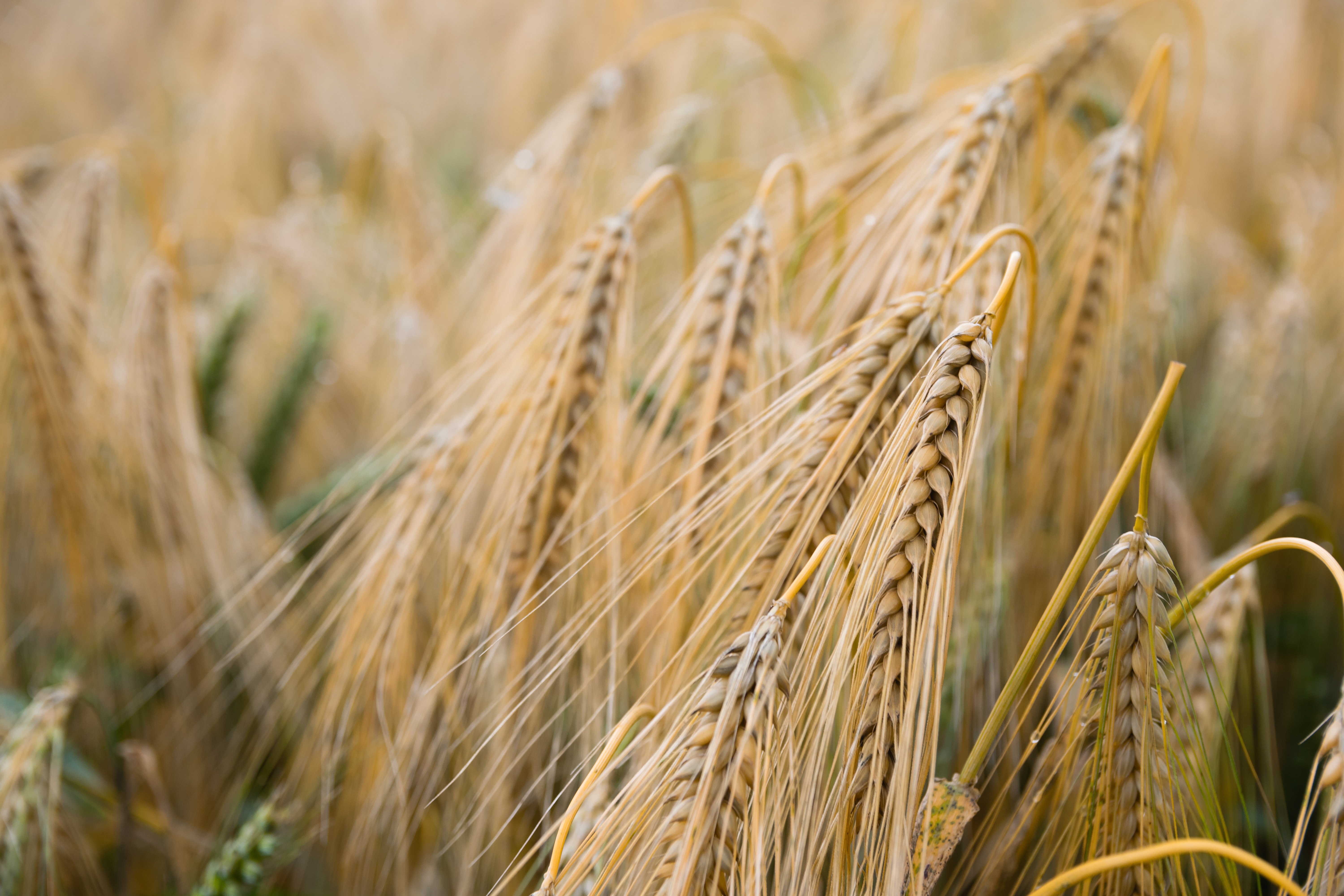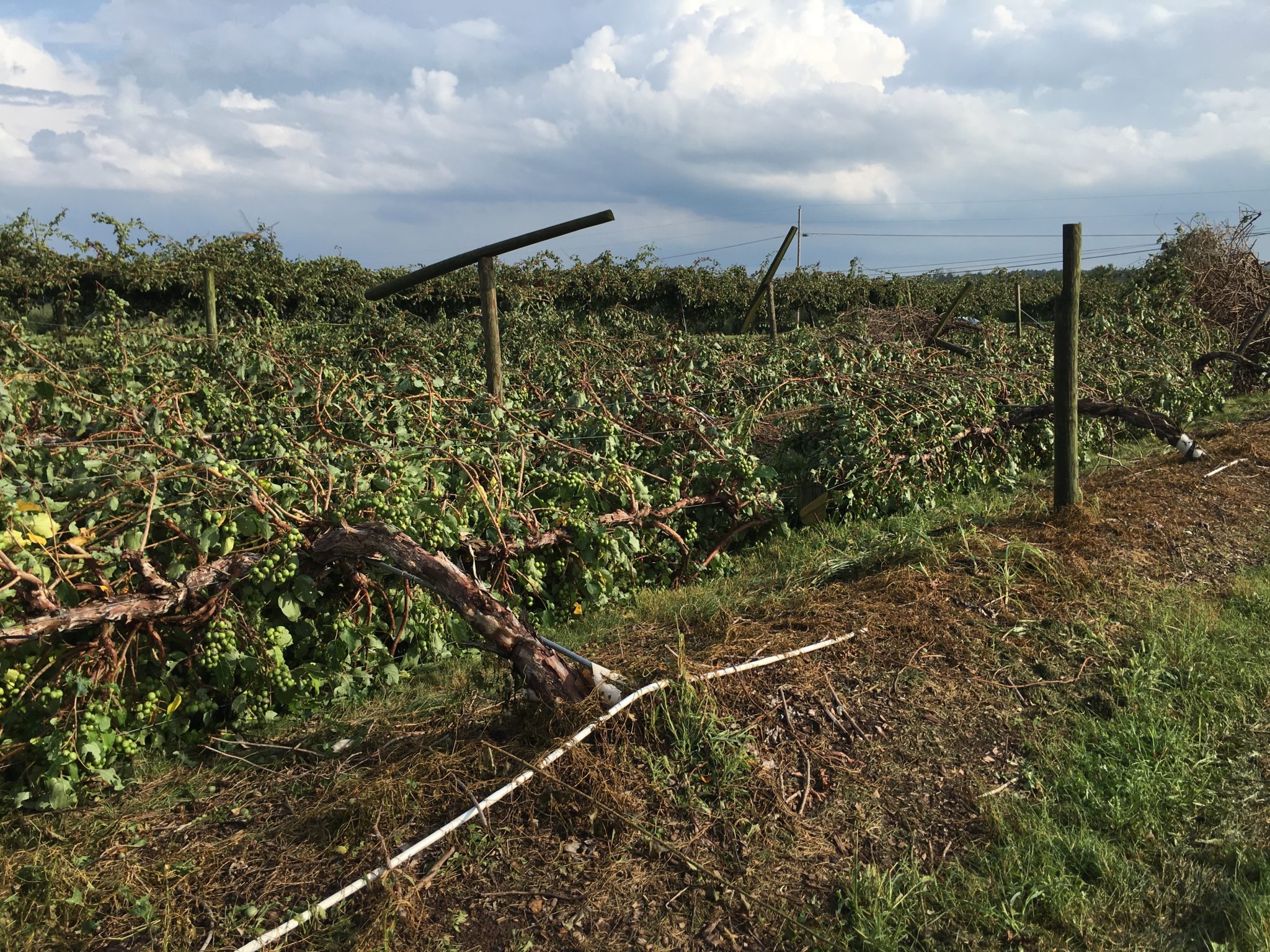
The Channel Islands are currently grappling with severe agricultural challenges, as consistent poor weather conditions have left farmers facing the threat of significant crop losses. With persistent rainfall and insufficient sunlight, waterlogged fields are becoming all too common, putting this year's harvest at risk. The situation has raised alarms within the local farming community, given the agriculture sector's heavy reliance on favorable weather for a successful harvest.
Impact on Local Agriculture
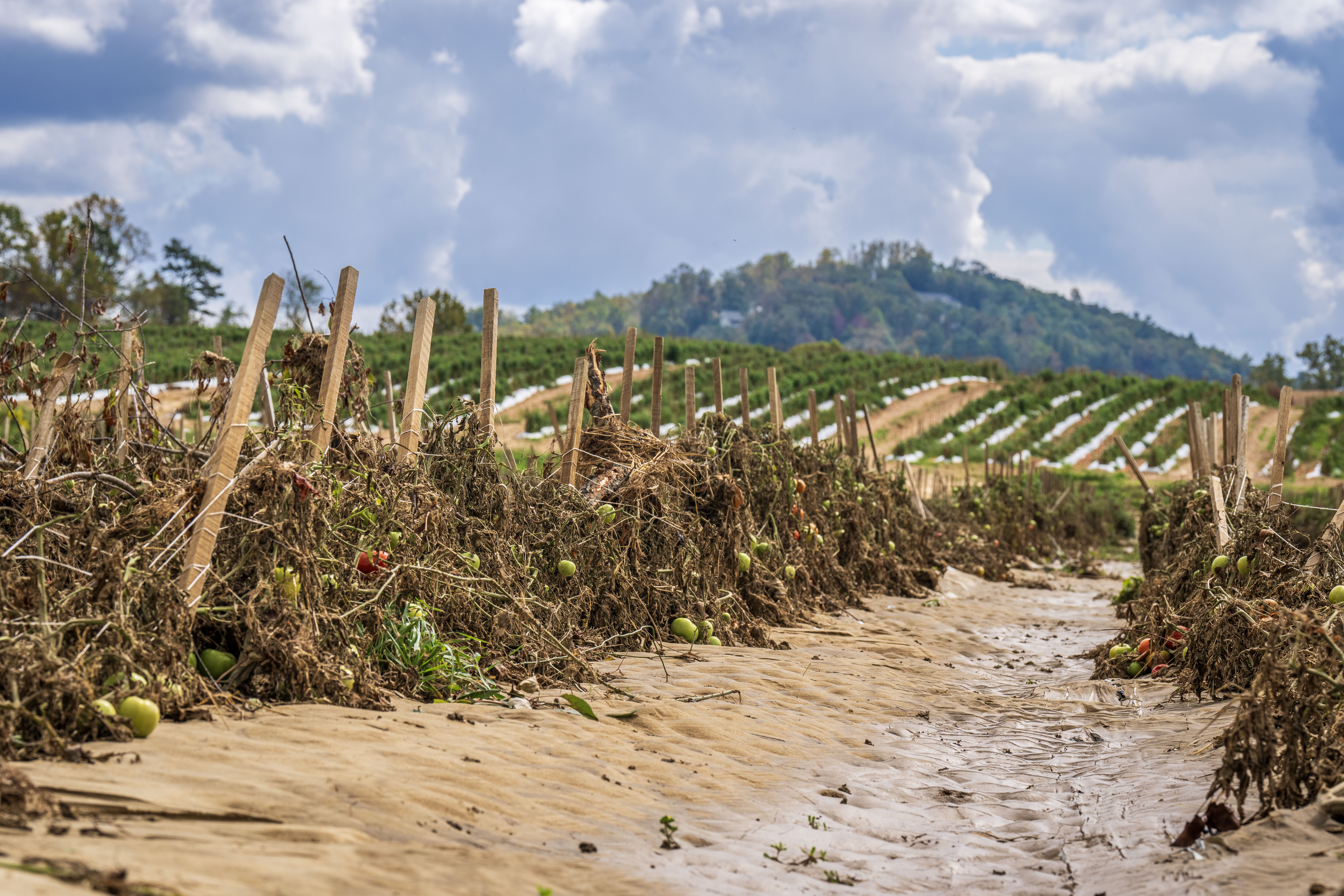
The persistent adverse weather conditions have led to waterlogged fields across the Channel Islands, causing concern for the viability of this year's crops. Farmers are now faced with the daunting task of salvaging what they can, amidst fears that continued poor weather could result in the rotting of a significant portion of their produce. This is particularly troubling for a region that prides itself on its agricultural output, with many local economies and food supplies heavily dependent on the success of the farming sector.
Broader Economic Implications
The potential loss of crops extends beyond the immediate impact on farmers, posing a threat to the broader local economy and food supply chain of the Channel Islands. With agriculture being a key pillar of the local economy, any significant disruption in crop yield and quality could have far-reaching consequences, including increased food prices, reduced food security, and economic strain on farming communities. The situation underscores the vulnerability of the agriculture sector to climate variability and the need for adaptive strategies to mitigate these risks.
Looking Ahead: Strategies for Resilience
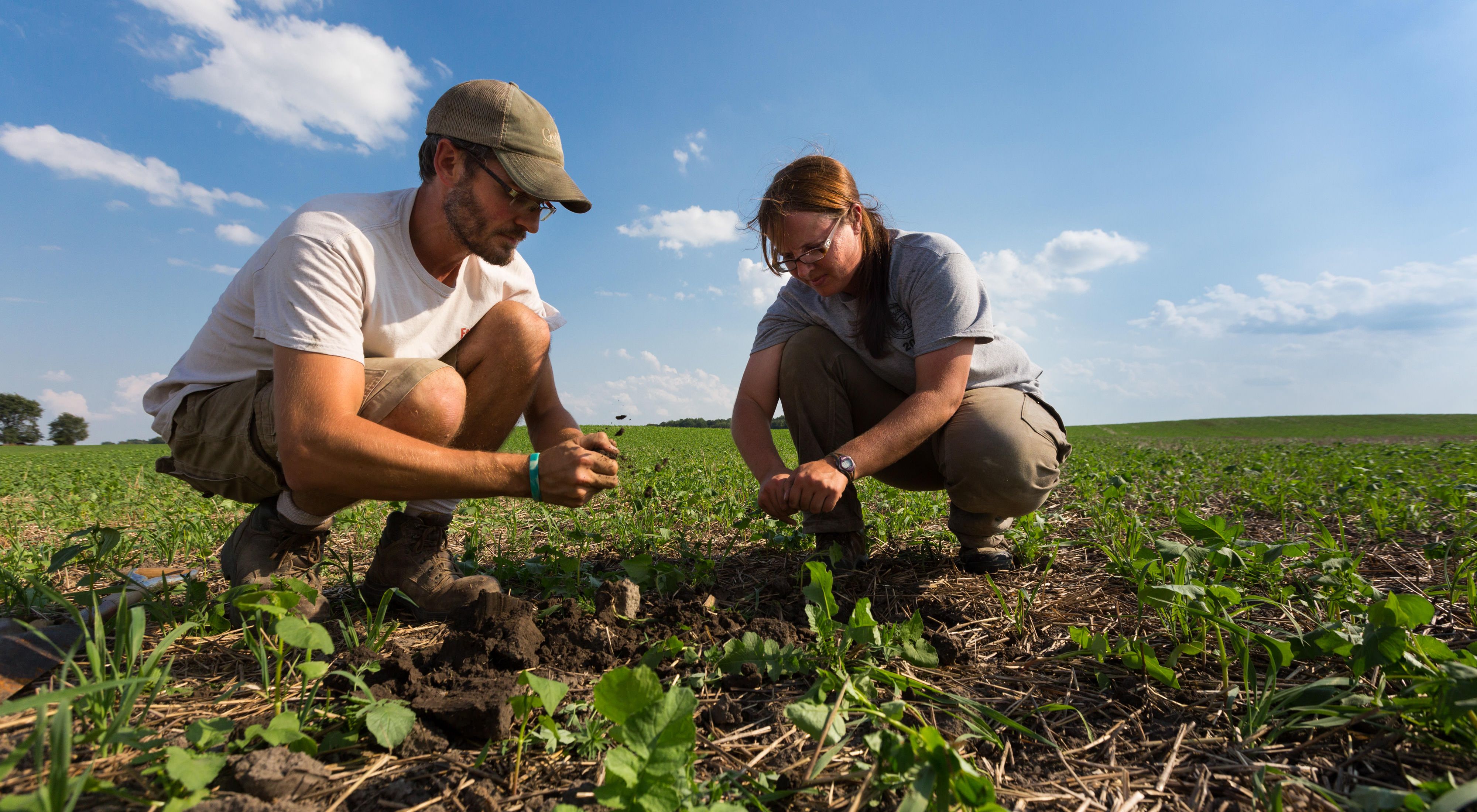
In light of current challenges, there is a growing call among experts and the farming community for the adoption of more sustainable and resilient farming practices. Drawing insights from a study on organic farmers in New York State, which highlights the importance of understanding farmer beliefs and motivations in promoting practices that support beneficial microbiomes for pest reduction and plant defense, the Channel Islands farming community could explore similar strategies. Emphasizing the adoption of practices that enhance the resilience of crops to adverse weather conditions could be key in safeguarding the future of agriculture in the Channel Islands.
The current crisis faced by Channel Islands farmers serves as a stark reminder of the precarious balance between agriculture and the environment. As they navigate these challenging times, the resilience and adaptability of the farming community will be crucial in overcoming the adversities posed by climate variability. The journey ahead will require a concerted effort from all stakeholders to ensure the sustainability and prosperity of agriculture in the Channel Islands.
Source - https://bnnbreaking.com