The sales of Hami melon used to be mainly concentrated in summer, but now it has changed from a seasonal product to a major item that is popular among consumers after apples, pears and watermelons. With the increase in planting scale and the improvement of production technology, it can now be supplied throughout the year.
Ms. Wang Qi is Korla Xiyu Huagongshan Agricultural Planting Professional Cooperative and Hainan Xiyu Huagongshan Agricultural Planting Professional Cooperative. She first introduced the situation of the production area: "Currently the Hami melon on the market mainly comes from the Hainan production area. The Hainan Hami melon production season starts in October and ends in June next year.
"This year, the production area in Hainan was affected by the cold winter, and the fruit quality was not ideal. There were many cases of small and cracked fruit, and the yield was not high, which was nearly 30% less than the previous season," Wang said, "Although the quality is not good, with the end of the pandemic control, the market demand for Hami melon has gradually increased, and the decrease in production has led to a shortage of fruit in the market. Therefore, the quality and production have a greater impact on the current price of the production area."
"In my opinion, as far as the item of Hami melon is concerned, there are two factors that affect the price. One is the production area and production of the internal system. The second is external market conditions. For example, if there are other local and imported fruits that are on the market at the same time in the season, the price will definitely be affected," Wang said, "The release of the pandemic controls is a great benefit to the market. Compared with the same period last year, we clearly feel the increase in consumption momentum. But so far, the current sales of Hami melon have not yet returned to the level before the pandemic. "
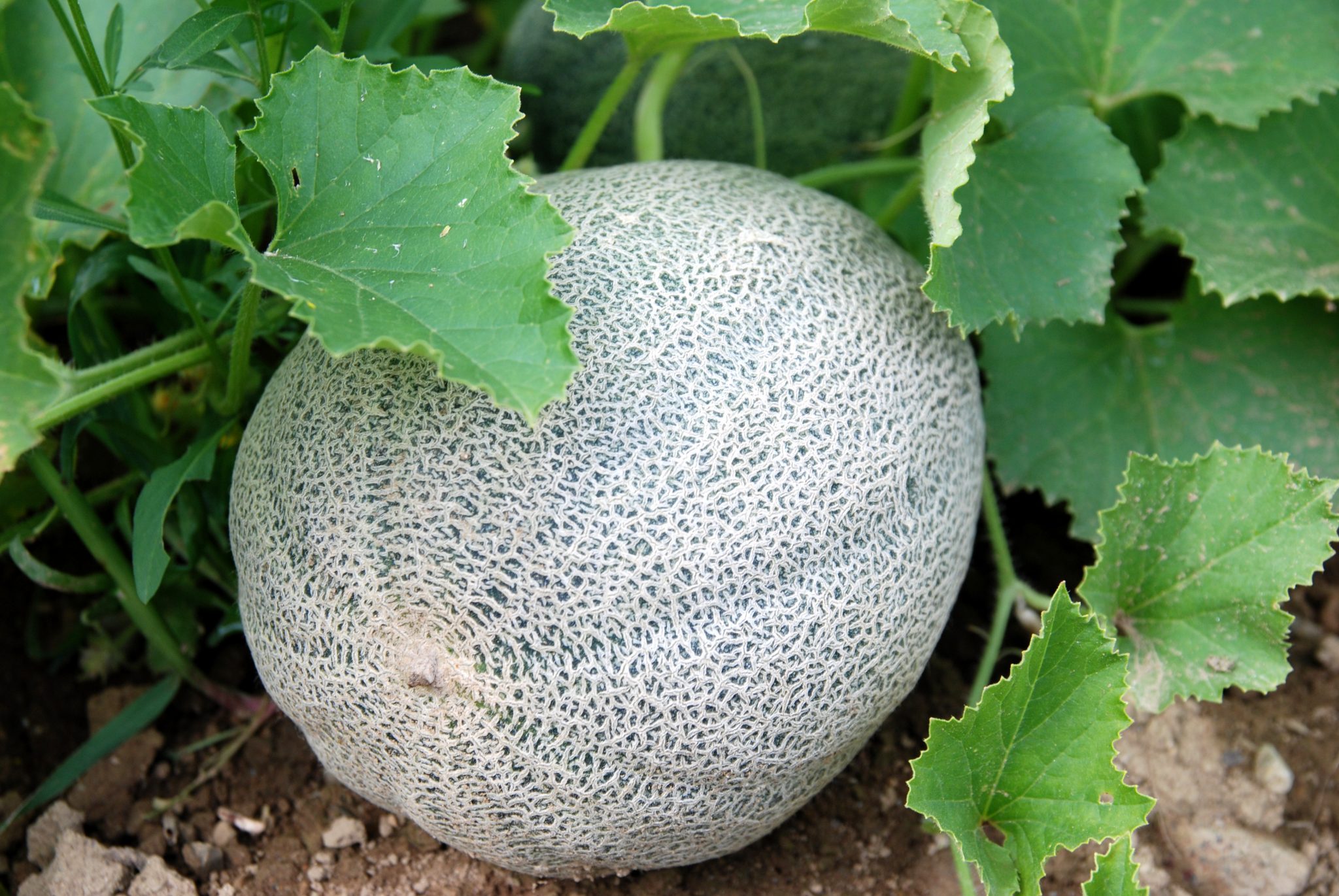
"Hongguan Xiangfei Melon" is the main variety of the Korla Xiyu Huaguoshan Agricultural Planting Professional Cooperative. The melon is well-proportioned and plump in shape, has a rich pattern on the surface, thick flesh and a fine texture. It is also sweet and crisp, and is loved by consumers.
Wang said: "It usually takes 2-3 years for a new variety to go from breeding, research and development, trial planting, trial sales to mass promotion. On the basis of maintaining the advantages of existing varieties, we are currently researching and developing 6 new varieties, hoping to improve the taste of the fruit and increase the shelf life of the product. However, in addition to improving the quality of breeding, I think the shelf life also depends on the conditions of transportation, storage, sales and other links. Agricultural products are time-sensitive. From the research and development of new varieties to the promotion to the market, it is necessary to continuously collect information and optimize the industrial chain. This process is time-sensitive, but it must be done by the company. "
When talking about her insights on the Hami melon brand, Wang said, "In the past, China's fruit market was an incremental market, with large quantities as the criterion. Now more and more consumers demand high-quality fruit products, and domestic agricultural product companies are also forming standardized and branded products. "With the overall improvement of the brand image of domestic agricultural products, the Korla Xiyu Huaguoshan Agricultural Planting Professional Cooperative is also seeking new breakthroughs.
Source - https://www.freshplaza.com