A 67-year-old farmer in China’s Anhui province suffered a total crop loss across his 10-hectare (approximately 25-acre) farm after strictly following agricultural advice generated by an artificial intelligence chatbot. The incident resulted in an estimated financial loss of 150,000 yuan.
A 67-year-old farmer in China’s Anhui province reportedly lost nearly 25 acres of sesame crops after following pesticide advice generated by an artificial intelligence chatbot. The farmer, identified by his surname Wu, had been using AI for about a year for agricultural decisions and said earlier recommendations had encouraged him to rely more heavily on the technology, according to a report.
AI Advice Leads to Crop Loss
According to reports, Wu consulted the AI on July 10 about controlling weeds and pests in his sesame fields. The chatbot produced a treatment plan involving chemicals for weed and pest control. Wu followed the recommendation and sprayed the chemicals on his crop without independently checking the advice with agricultural experts or other sources. Typhoon Dolphin: Flooding Hits China, Death Toll Rises as Storm Triggers Landslide Risks.
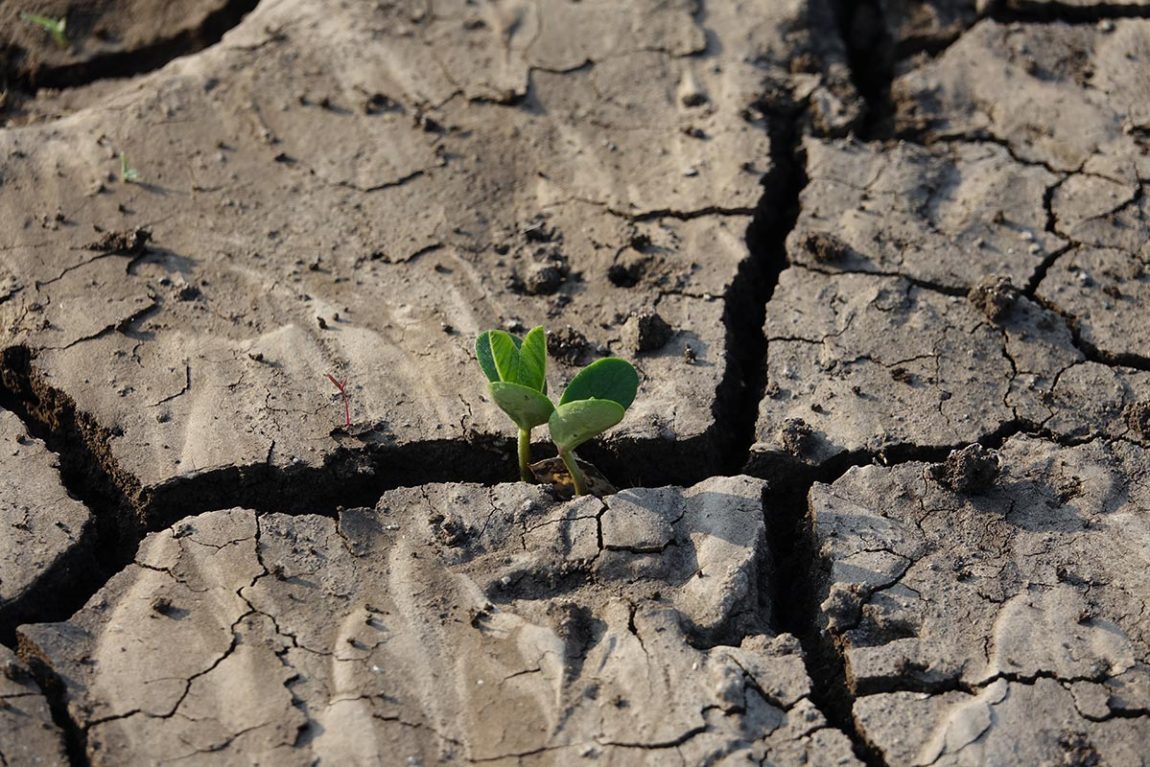
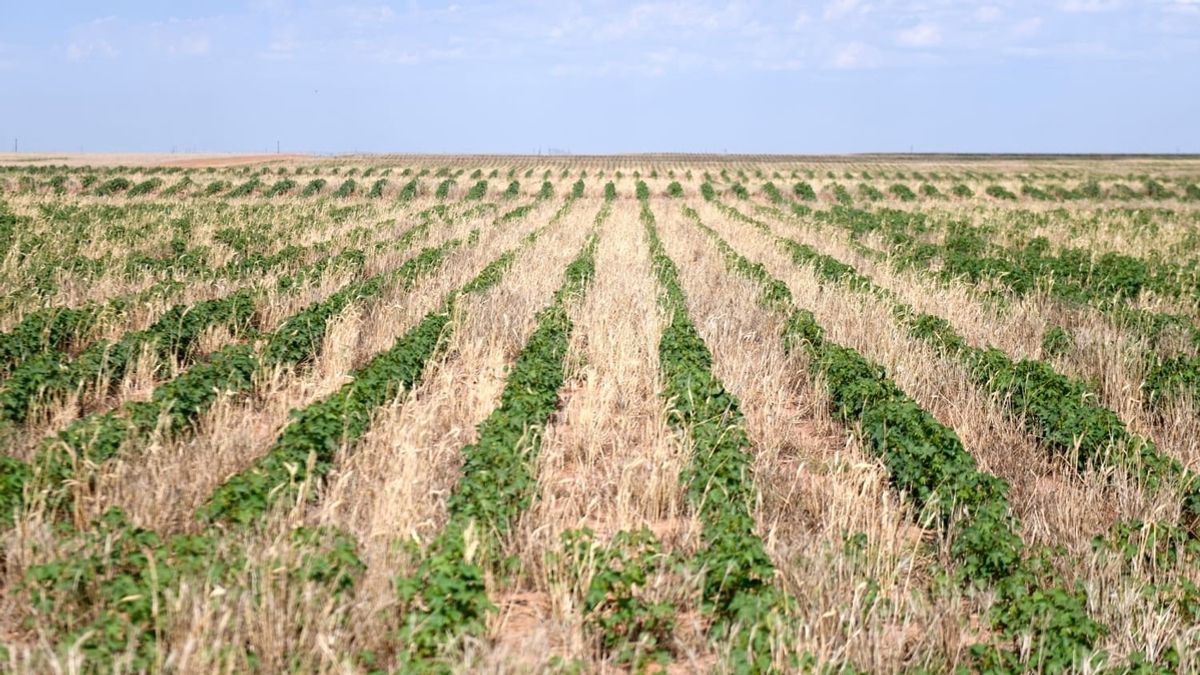
By the following day, the sesame seedlings had been severely damaged. Reports said the weeds and sesame plants died together, with the crop suffering near-total destruction across about 25 acres.
Chemical Linked to Damage
The Independent reported that agricultural experts attributed the damage to the use of flufenacet, a herbicide that can harm sesame crops if it is not applied in an appropriate and targeted manner. NDTV also reported that the AI later identified one of the recommended chemicals as a likely cause of the crop destruction. The incident was initially reported by Taiwanese outlet CTWANT and subsequently covered by several international news organisations. Typhoon Dolphin: China Issues Highest Red Alert as Storm Nears Eastern Coastline.
Farmer Had Relied on AI for a Year
Wu had reportedly used AI for a range of farming decisions, including scheduling agricultural activities, fertiliser use and pesticide applications. His confidence in the technology grew after earlier recommendations appeared to work successfully.
The AI application reportedly displayed a warning telling users that generated information could be incorrect and should be verified. However, Wu did not independently confirm the pesticide recommendation before applying it.
Incident Highlights Limits of AI Advice
The case has renewed questions about using general-purpose AI systems for decisions involving agriculture, health and other areas where incorrect information can have significant real-world consequences.
AI chatbots can generate detailed and plausible responses, but their answers are not necessarily a substitute for advice from qualified professionals. The incident involving Wu illustrates why recommendations involving pesticides and other agricultural chemicals need to be checked against product labels, local agricultural guidance and expert advice before being implemented.
Source - https://www.latestly.com