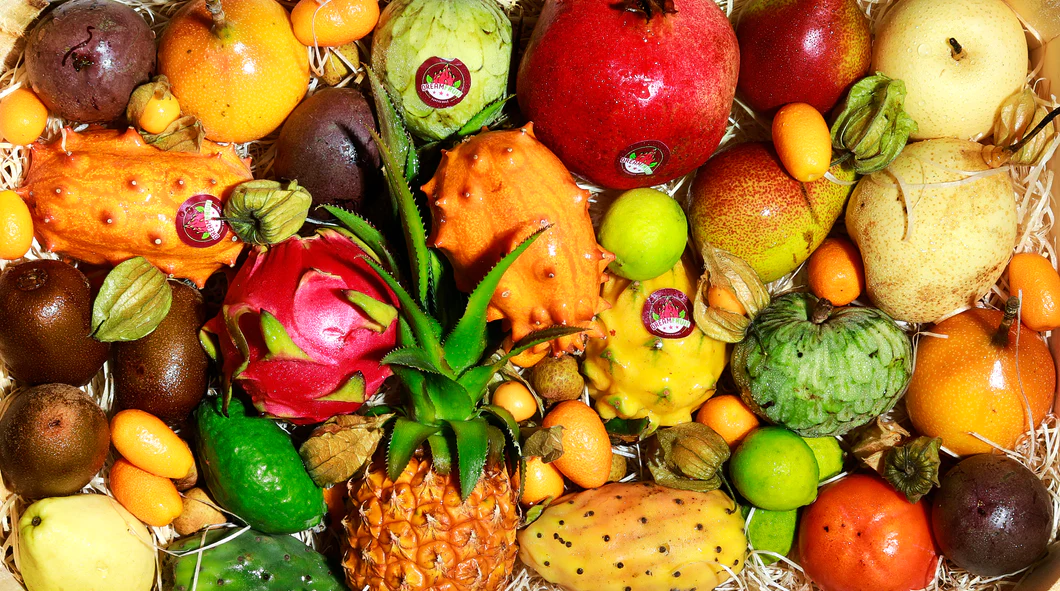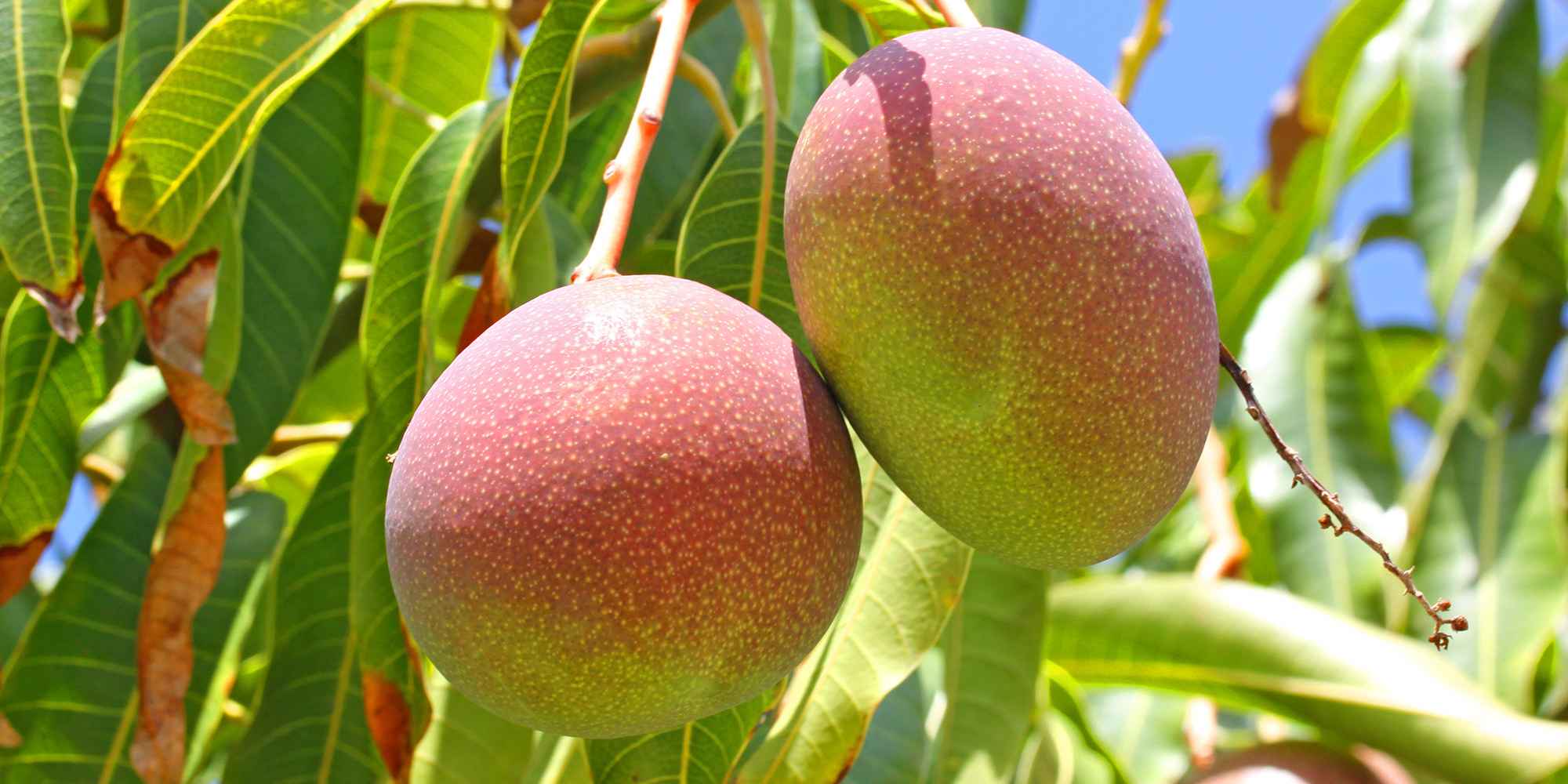
Bananas, papayas and mangoes are some of the new crops in Greece as an increasing number of farmers are switching production to subtropical fruit due to rising temperatures.
The mildest winters of the last 40 years in Greece, especially in the south of the country and Crete, have allowed many anxious farmers to abandon conventional horticultural and olive crops and switch to subtropical fruit crops.
Panos Adamopoulos, who has grown mangoes and avocados in Kyparissia, Peloponnese, for the last three years, is relatively new to the sector.
He told Greek Reporter that such crops are more resistant to the intense heat. He said that climate change is not just about increasing temperatures but also water scarcity. In the last few years, there has been a marked reduction in rain. “Traditional crops like vineyards and olive groves require much more water than mangoes and avocados.”
“These trees have adapted remarkably well to the climate of Kyparissia. The only problem we have encountered is the occasional strong winds that come from the Ionian Sea which can damage the crops. But we are working to find solutions to protect the trees.”
At his greenhouses, together with his brother Nikos Adamopoulos, he also experiments with other subtropical plants such as the dragon fruit. “It’s just an experiment to see whether such plants can thrive in Greece in the next five years, or so.”
He admits that production is still low because the business started only three years ago. He notes that other producers of subtropical plants in the area who started years ago are making a good return on their investment.
“We have to accept that the production of these fruits in Greece is not enough to satisfy consumer demand, especially with the increase in tourism. Greek consumers are also becoming more educated about these products and they demand more mangoes and avocados, especially those produced in Greece,” Adamopoulos told Greek Reporter.
Subtropical crop papaya on Greece’s Crete

Ripe papaya fruit. Credit: H. Zell ,CC BY-SA 3.0/Wikipedia
Taking advantage of Crete’s subtropical conditions, Manolis Sourgiadakis has been cultivating organic papaya and banana plantations in the Ierapetra region.
“We are experimenting with various other tropical fruits and vegetables. We try the avocado, and the mango, which thrive in Ierapetra just fine. But we grow papaya because we have consumers who know it and ask for it at an organic market in Athens,” Sourgiadakis told Greek Reporter.
He started growing organic bananas and papaya in his greenhouses without using pesticides and fertilizers. He uses only water and organic matter from horse manure, and he has even replaced organic pesticides with spiders he has installed among the bananas and papayas, he says.
“The spiders, being predators, do not harm the fruit, but feed only on the harmful insects that they trap in their webs,” he adds.
He boasts of a papaya plant almost 15 meters tall that produces 100 kilos of fruit. In his greenhouse, there are currently about 100 papaya plants.
He notes, however, that although subtropical fruit can really thrive in Crete and other parts of Greece, consumers have not yet acquired the culture of consuming them, “although papaya has incredible antioxidant properties for the human body,” as he notes.
“If people were aware of the value of the produce they would not eat anything else,” Sourgiadakis told Greek Reporter.
Subtropical crops can thrive in Greece
Professor in the Department of Agricultural Technology at the University of Crete Spyros Lionakis, says that subtropical plants thrive in the climate of southern Crete.
Today there are farmers in Ierapetra, Sitia, Myrtos, Psari Forada and Arvi of Viannos who cultivate conventional and organic bananas, while gradually trying to expand the cultivation of papaya, avocado, mango, dragon fruit, passion fruit, guava and other subtropical species, he notes.
In all the organic crops grown in the last 20 years, banana and papaya monopolize the interest of organic farmers and consumers, while the experimental crops of all other subtropical species show that the climate of Southeast Crete is ideal for the production of these fruits, as long as the market is secured that will absorb the production afterward.
Climate change, which is set to fuel more frequent heat waves and droughts in the Mediterranean basin, may force more farmers to experiment with the cultivation of subtropical plants.
Source - https://greekreporter.com