Climate change threatens cereal crop yields

21.11.2023 471 views

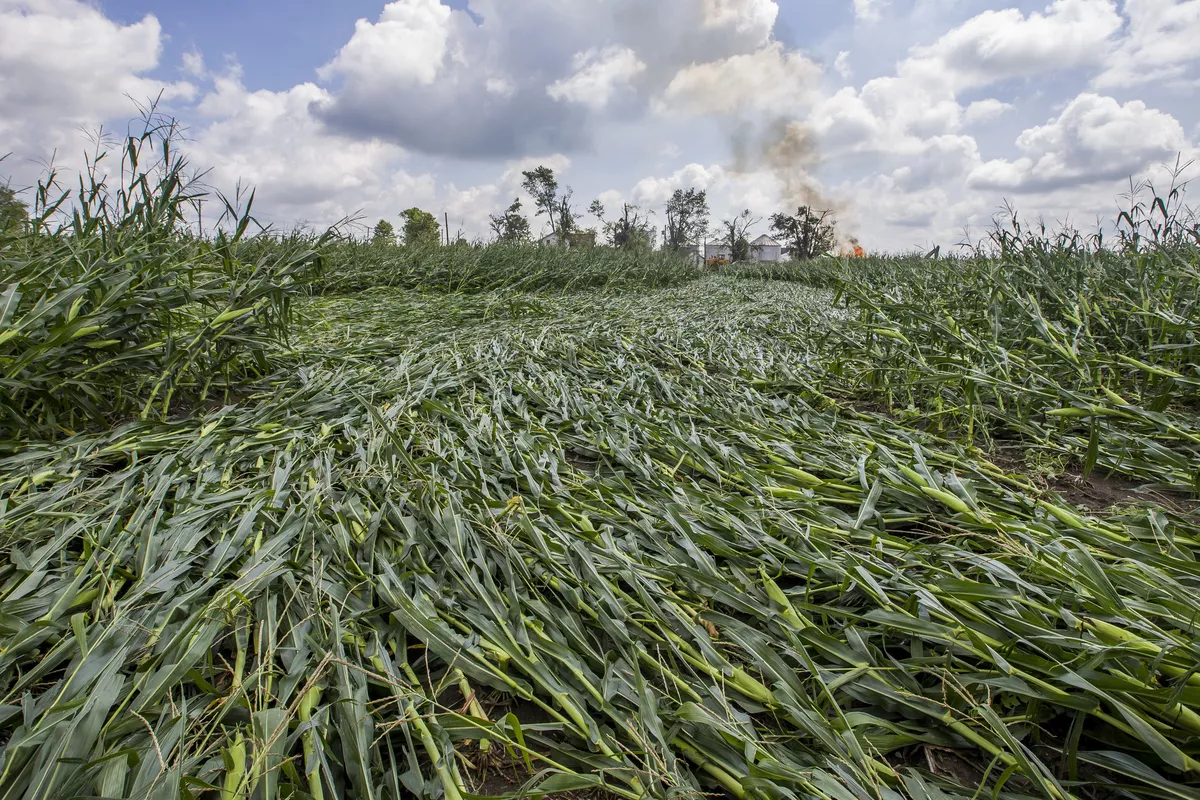
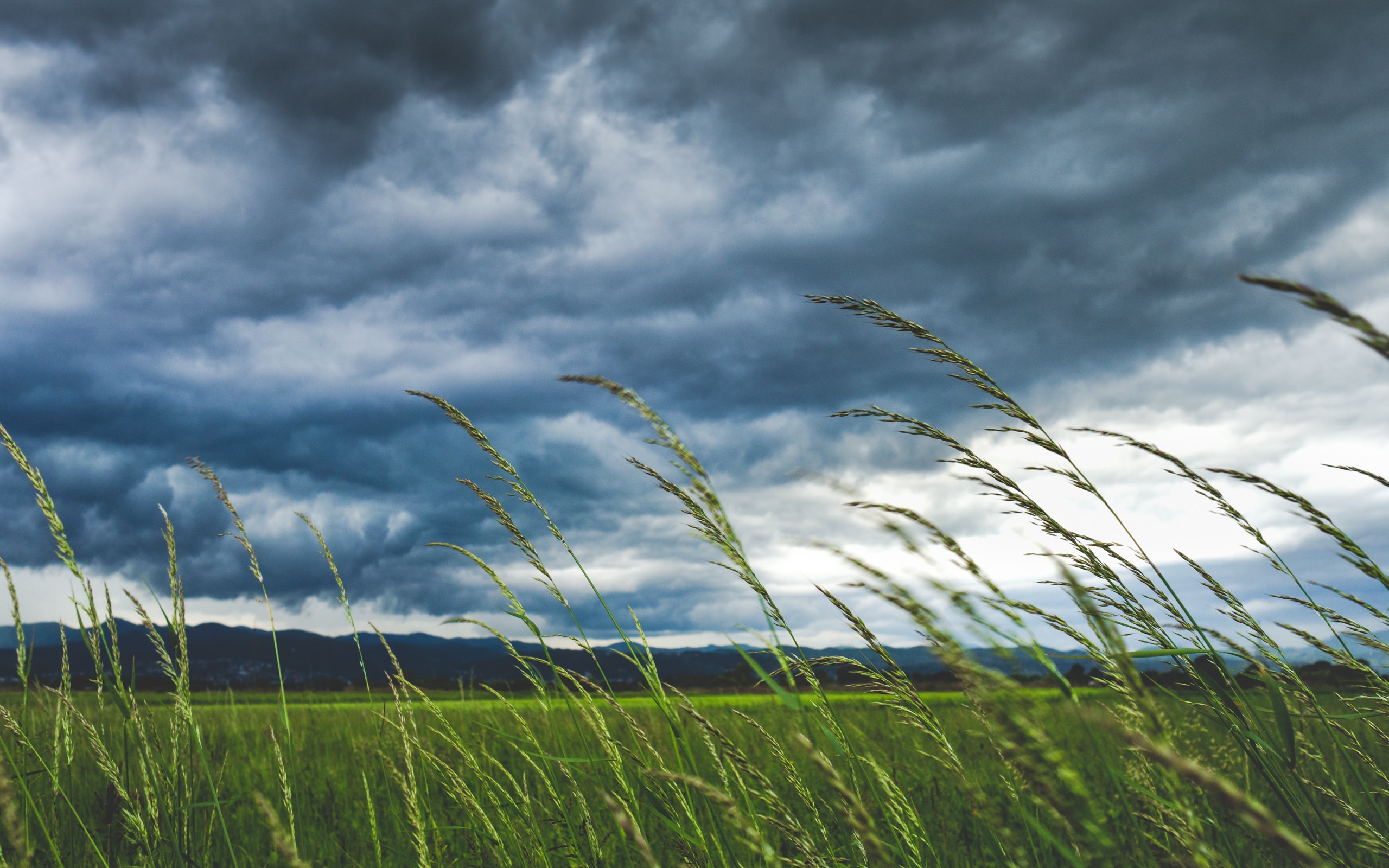
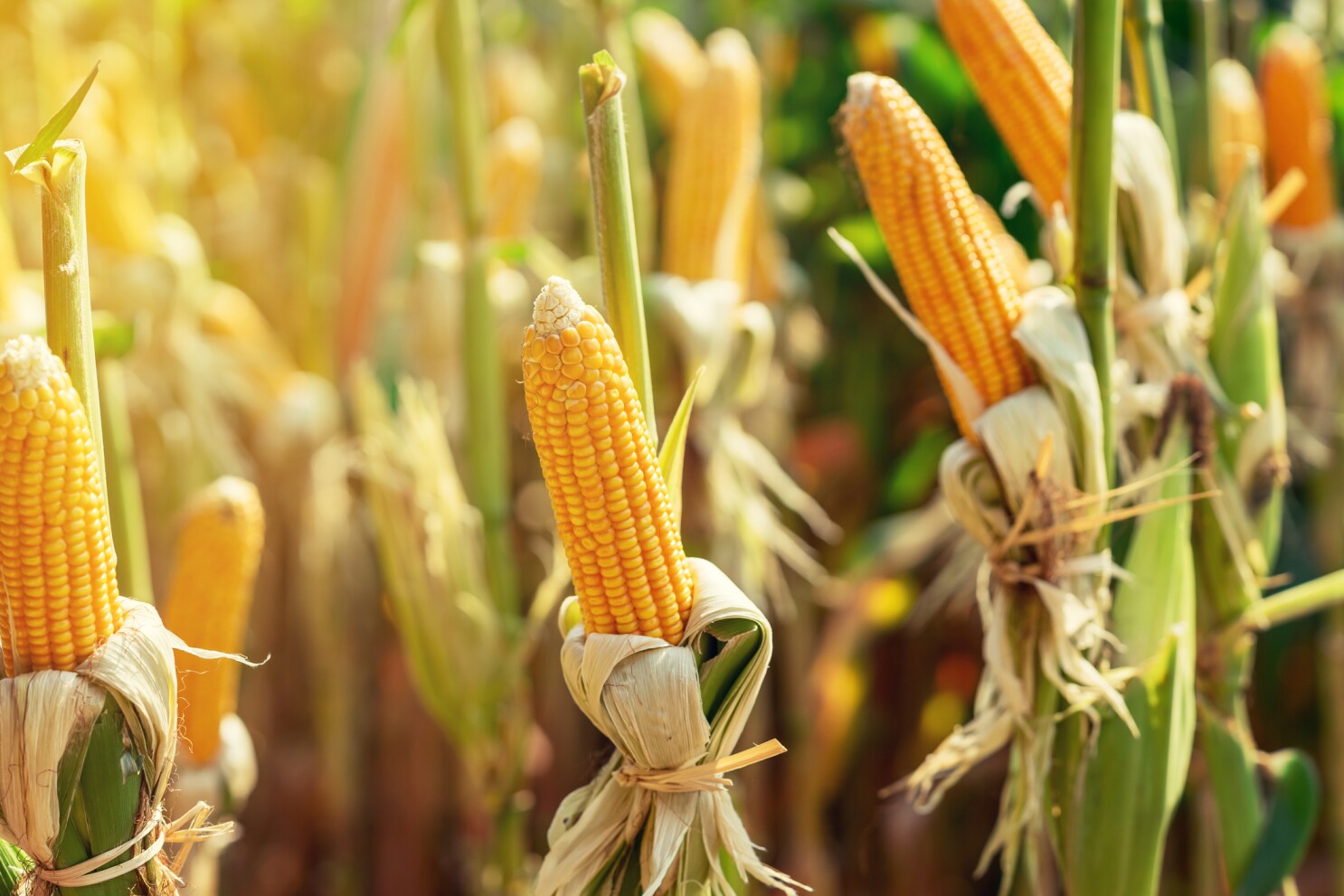
The effects of climate change pose a major challenge for cereal production in many regions. In a study published in Nature Reviews Earth & Environment, ZALF scientists have investigated how warmer temperatures, increased carbon dioxide levels and changes in water availability affect globally important cereals such as wheat, maize, millet, sorghum and rice.

In the case of a climate change scenario without adaptation measures, the simulated global crop yield losses for cereals are between 7% and 23%. The negative effects of climate change on cereal yields in higher latitudes could potentially be offset or even reversed through carbon dioxide fertilization and adaptation options. However, this would require significant investment and resources, for example in irrigation infrastructure and water availability.

These adaptations could increase wheat yields in higher latitudes by up to 40% compared to the baseline, according to the authors of the study. In lower latitudes, carbon dioxide fertilization is less beneficial. Irrigation and nutrient management are probably the most effective adaptation options.

Millet and sorghum crops are often neglected in other studies in favor of wheat, maize and rice, but are important for food security in parts of Africa. Therefore, more targeted experimental and modeling studies are necessary to gain a clearer understanding of their response to climate change.

The study underlines the need for further research to better understand the links between climate change and crop yields. Furthermore, the authors identified the development of new crop varieties as one of the key steps to mitigate the adverse effects of climate change on crop yields.

Source - https://phys.org

15.01.2026

Soil-based method can stop locust swarms from destroying crops

"They're very destructive when there's a lot of them, but one-on-one, what's not to love?" says Arianne Cease. She's talking about locusts.

15.01.2026

Fifty French farmers arrested after storming agriculture ministry building in Paris

Around 100 members of the Confédération Paysanne union entered a section of the ministry, which they occupied for an hour to denounce the government's agricultural policy. 

15.01.2026

Kenya - Government sets up strategic animal feed reserves to shield livestock from drought

In a bid to protect livestock and pastoralist livelihoods from recurring droughts, the government has ordered the establishment of strategic national animal feed reserves.

15.01.2026

India - Tamil Nadu govt releases Rs 111.96 crore to farmers for crop damage

Tamil Nadu government on Thursday said it has issued a Government Order releasing Rs 111.96 crore to provide relief to 84,848 farmers for damage of agricultural and horticultural crops on 1.39 lakh acres due to rains during the Northeast monsoon and Cyclone Ditwah in 2025.

15.01.2026

How Agriculture Insurance Is Transforming Farmers’ Climate Resilience in Rwanda

When floods swept through Kamonyi District years ago, maize fields that had taken months of labor were flattened overnight. For many farmers, those moments meant more than lost crops—they threatened livelihoods, school fees, and food security.

15.01.2026

Taiwan develops TC9 banana resistant to Panama disease

The Taiwan Banana Research Institute has developed a new banana cultivar, Tai-Chiao No. 9 (TC9), with resistance to Panama disease. The variety is intended for future deployment beyond Taiwan, pending completion of plant breeders' rights in overseas markets.

14.01.2026

UKEF backs €193mn loan for key agricultural project in Uganda

UK Export Finance (UKEF) has backed a €192.9mn loan to finance the first phase of a key agricultural project in Uganda set to boost the country’s economy.

14.01.2026

India - Haryana releases ₹116 crore to 53,821 farmers for crop loss due to heavy rains

Providing financial relief to farmers, Haryana chief minister Nayab Singh Saini on Wednesday released a crop compensation of ₹116.15 crore to 53,821 farmers for losses suffered due to heavy rains in August-September.