Climate change and habitat loss are combining to dramatically shrink the numbers of insects pollinating key tropical crops. As those problems intertwine and intensify, it likely will hit coffee lovers right in the mug, according to a new study.
And that one-two punch will melt some chocolate fans’ dreams too, researchers said.
Scientists looked at thousands of species and sites and found when temperatures warmed up beyond the normal range combined with a shrinking habitat of flowering plants, the number of insects that pollinate those plants plummets by 61 per cent.
Bees, flies, moths and other pollinators are being hit harder than the general insect population, according to the authors of the study published in Science Advances.
“We’re seeing the climate change is already having this really strong impact on pollinators," said study co-author Tim Newbold, an ecologist at the University College of London.
How important are pollinators for food production?
About 35 per cent of the world's food crop and three-quarters of flowering plants depend on insect and other animal pollinators to reproduce, according to the US Department of Agriculture.
And the study found the pollinator loss problem is bigger in the tropics, a region other research hasn't focused on as much. The countries most at risk of crop loss from dwindling pollinators are China, India, Indonesia, Brazil and the Philippines with sub-Saharan Africa also in danger, especially its cocoa and mango crops, the study said.
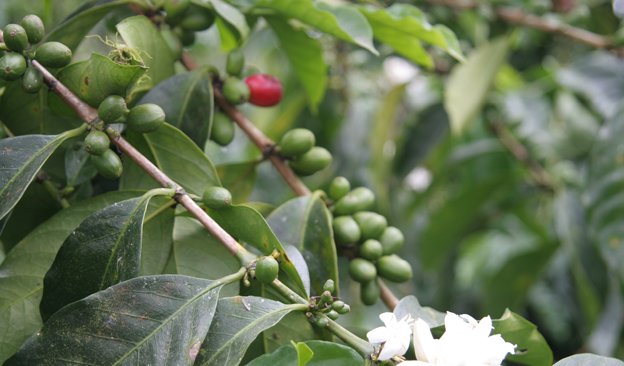
Taking what’s already happened, researchers said this bodes badly for key tropical crops, especially coffee and cocoa. Those plants rely on bees and flies to help them reproduce and fewer pollinators mean reduced crops, study authors said.
Previous studies have shown that insects are dwindling for several reasons, including climate change and habitat loss, and other studies have shown shrinking number of pollinators, and yet more have shown coffee and cocoa plants themselves are hurt by the interaction. But the sum of all that is even worse than just the parts, study authors said.
“There will be this double hit of climate change impacting coffee itself, the coffee plants, but also impacting the pollinators on which it depends so that’s quite worrying for those of us who like coffee,” Newbold said.
That doesn’t mean no coffee or chocolate, just more expensive indulgences, said study lead author Joe Millard, a computational ecologist at the Natural History Museum in London.
Why are insects in the tropics particularly impacted?
What makes this study special is that it has a focus on the tropics that other insect studies haven’t had, said University of Delaware entomologist Douglas Tallamy, who wasn’t part of the research.
“We’re not paying enough attention to the tropics,” Tallamy said. “They are important.”
Newbold said pollinating insects in the tropics are likely hit harder than other places because the bugs are already near their temperature limits and insects in temperate areas are more adapted to large temperature swings and they aren’t in the tropics.
“Massive warming in the tropics is pushing those species over the edge,” Newbold said.
Habitat loss is the main driver for the shrinking number of pollinators with less food for them, Millard said. But add to that climate change, worsening parasites and disease and pesticides, he said. And while all insects are in trouble, pollinators have it worse in warmer temperatures and scientists are still trying to come up with explanations for why.
It could be because they have hairier legs and bodies that help them carry pollen, Millard and Newbold said.
It’s like “being forced to have a big furry coat and it’s it’s getting hot,” Newbold said.
Delaware’s Tallamy doesn’t buy that explanation. He said the study is good in its data and projections, but he said the authors’ explanation for why these impacts happen is more in the guessing range.
Source - https://www.euronews.com