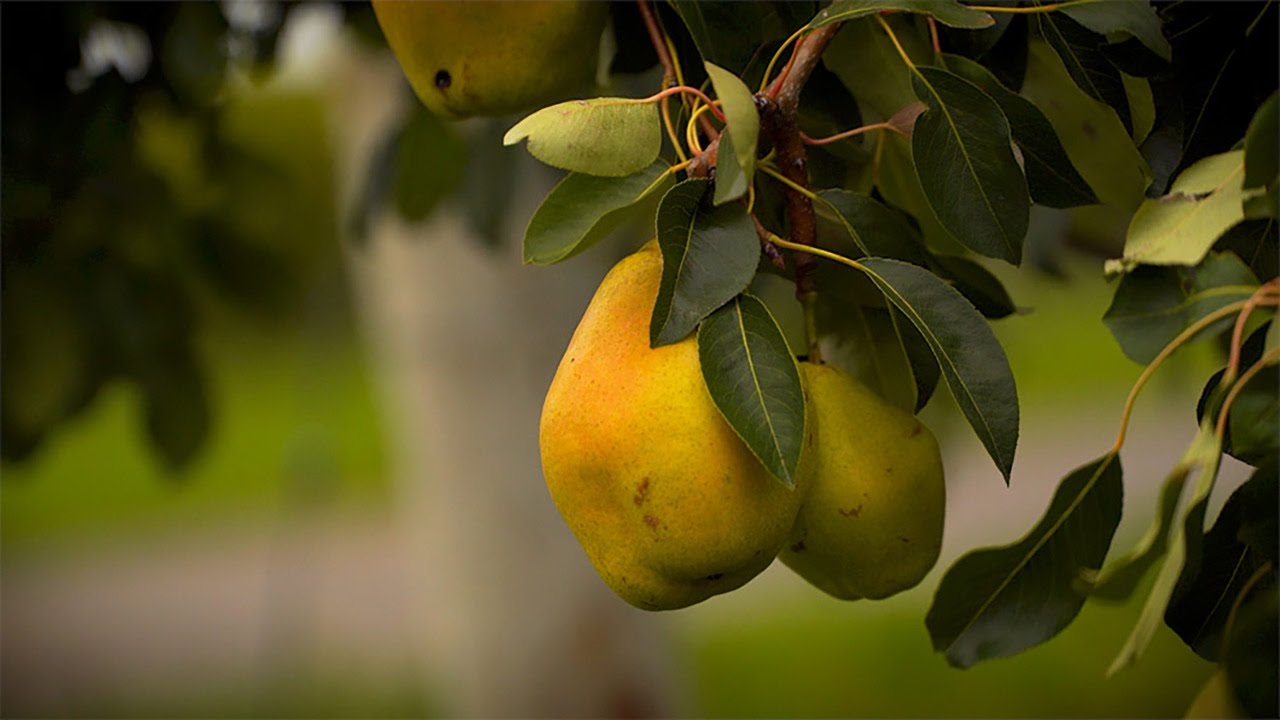
Pear harvesting and packing for shipments to North America are underway in Chile and Argentina. “Early reports indicate that pear sizes, particularly for varieties like Bartlett, are smaller than anticipated. This is likely to result in reduced overall crop volume imported into the United States,” says Jason Bushong, general manager, Wenatchee, The Giumarra Companies. “The impact is not only on lower box counts, but also it is likely that smaller-sized pears will remain in local Latin American markets.”
Right now Bartlett pears are being harvested and by the middle of February, varieties such as Comice, Anjou, Forelle and Bosc varieties will also get started.
For Giumarra Companies, its Chilean pears are primarily sourced from the Maule region in the Central/South part of Chile. In Argentina, the main pear-producing region is the Río Negro province. “This season, Chile and Argentina faced challenges in growing conditions, characterized by cooler temperatures during the growing season which affected fruit sizing, and higher than normal temperatures closer to harvest,” says Bushong.
As for demand, there is growing momentum and demand for new crop pears as certain domestic varieties wind down for the year. That said, retail placement is key to movement. “Optimal shelf placement is crucial to enhance visibility and encourage consumer engagement. Ensuring that pears are prominently displayed can attract more attention and drive sales,” Bushong says, adding that there is notable competition from other produce items within the department. “It’s increasingly crucial to capture and maintain consumers' attention through promotions and/or point-of-sale options. Creating incentives and maintaining an engaging shopping experience is essential to stimulate impulse purchases.”
Teaching consumers about pears
However, consumer education is also key to moving pears, starting with teaching them about when pears are optimally ripe for consumption which can enhance the overall eating experience and lead to repeat sales. Variety notes are also critical. “Informing consumers about the distinct eating experiences each variety offers and showcasing the versatility of pears in dishes can broaden their culinary appeal,” says Bushong. “By focusing on these aspects, the industry can contribute to increased pear consumption by creating an informed, engaged consumer base.”
There are other factors influencing movement, including the fact that the global demand for organic pears is increasing which is leading to an increase in organic production. “Additionally, there is a growing trend toward new consumer packaging, particularly bagging, as grab-and-go options continue gaining momentum. This packaging solution aligns with the preferences of many consumers who seek convenient, easily accessible choices,” says Bushong.
As for pricing, it’s anticipated that prices this year will be higher compared to last year due to shorter supply. Bushong also says logistics and associated expenses pose significant challenges in the pear industry.
Source - https://www.freshplaza.com