Czech Republic - Return of cold weather impacts crops

23.04.2024 573 views

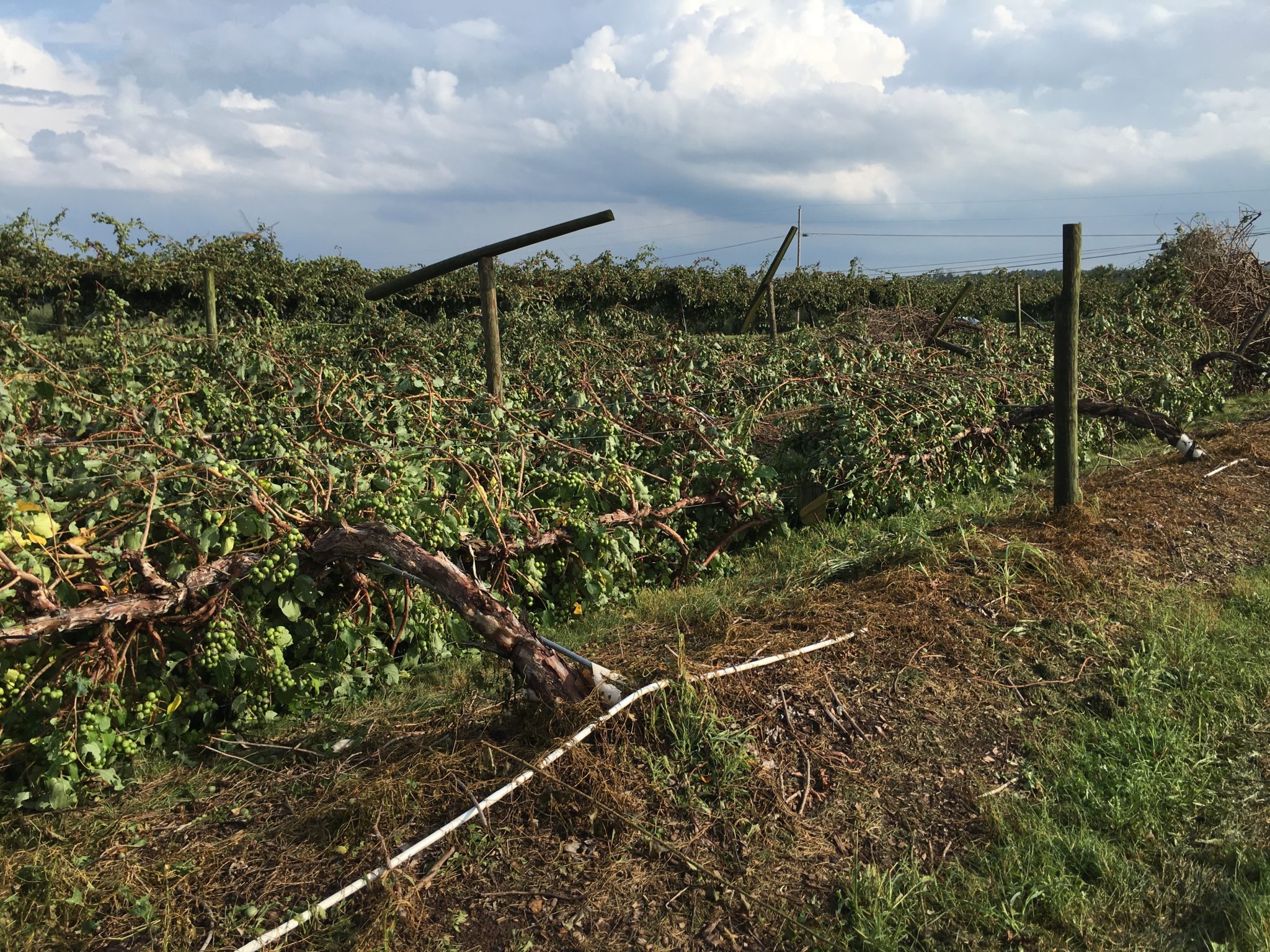
In Czechia, a rapid transition from mid-20s Celsius to sub-zero temperatures has significant implications for agriculture, particularly affecting early-blooming and growing crops. Miroslav Havránek, from the Charles University Environment Centre, highlights the broader consequence as a potential reduction in crop yields. Specifically, fruit trees such as cherries and peaches, which had commenced blooming, may experience diminished yields or, in extreme cases, total loss of production.

Additionally, the stunted growth from the cold could result in smaller yields. This shift follows an unusually warm February and part of March, misleading nature into reacting as if spring had arrived, only to be countered by freezing temperatures harmful to crops.

The economic ramifications could extend to higher prices for tree-grown produce like peaches, apples, and plums, owing to the decreased yield. However, the final impact remains to be seen, influenced by various factors including the Czech Republic's integration into the European Common Market and the anticipated dry summer. The forthcoming drought, exacerbated by early high temperatures leading to soil water deficits, poses a potentially greater threat than the current cold spell. The broader trend of unpredictable weather patterns, attributed to climate change, prompts a reconsideration of agricultural practices.

Adaptations may include the use of greenhouses or irrigation technologies to safeguard yields, despite the associated costs and potential price increases for consumers. The growing variability in temperature extremes underscores the challenges faced by the agricultural sector.

Source - https://www.freshplaza.com

01.09.2026

South Africa - Grain SA calls for affordable crop insurance as dry weather threatens Swartland wheat

Severe rainfall shortages threatening the Swartland wheat crop have highlighted the need for government support to make crop insurance affordable for dryland producers.

01.09.2026

USA - Florida farms face nation’s highest disaster loss rate

Natural disasters destroy billions of dollars in U.S. agricultural production each year. From drought and wildfires in the West to hail in the Midwest and hurricanes in the Southeast, farms lose an average of $5.1 billion in crops and livestock annually, according to the Federal Emergency Management Agency.

01.09.2026

Luxembourg small farmer struggles with effects of high temperatures on crops

High temperatures over the summer caused an increase of certain pests harmful to vegetables.

01.09.2026

Nearly 8,000 acres of crops damaged due to dry weather in Sri Lanka

Cabinet Spokesman and Minister of Health Dr. Nalinda Jayatissa said that the estimated crop damage caused so far by the prevailing extreme dry weather conditions is nearly 8,000 acres of farmland belonging to around 7,000 farmers.

01.09.2026

Cyprus - Storm damage recorded in 183 homes as crop losses assessed

Damage to 183 homes, mainly in the Nicosia district, has been recorded following the severe weather that hit Cyprus last Saturday, the interior ministry said on Monday.

01.09.2026

USA - New USDA initiative aims to spur cattle herd rebuilding with insurance, conservation program grazing changes

New insurance options, emergency grazing authorities on Grassland Conservation Reserve Program acres, and guaranteed loans for regional meat processors are among the elements of a package unveiled by Agriculture Secretary Brooke Rollins Monday to encourage producers to rebuild the U.S. cattle herd. 

30.08.2026

Serbia's Drought Halves Crop Yields, Few Farms Insured

Drought in July and August 2026 cut yields by more than half in parts of Serbia, but only 15 percent of farmland is insured. A corn policy costs about 4,500 dinars per hectare.

30.08.2026

India - Maharashtra Approves ₹23.33 Crore Aid For 17,245 Farmers Hit By Crop Damage

The Maharashtra government has sanctioned ₹23.33 crore in relief for 17,245 farmers whose crops were damaged by floods, excessive rainfall, cyclones and hailstorms.