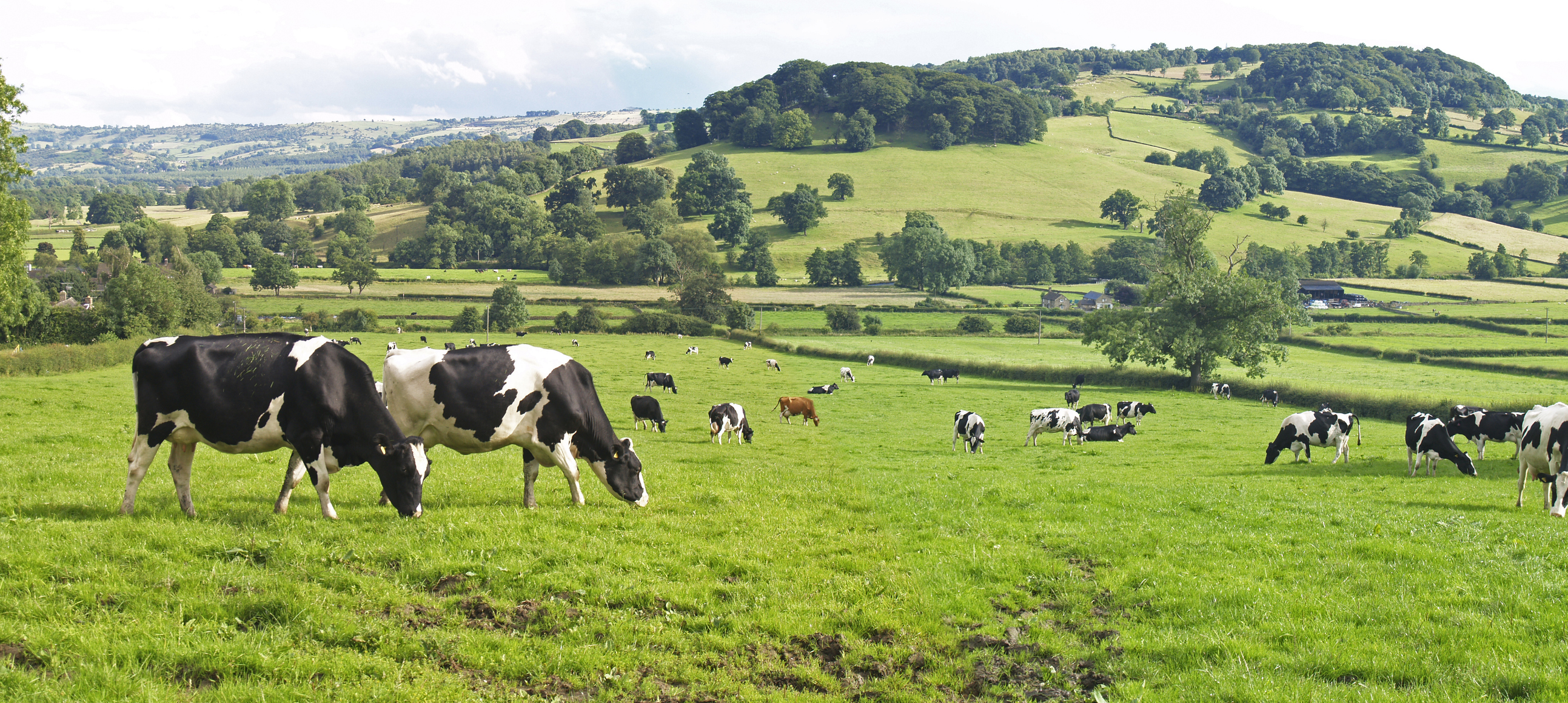
Italian authorities, acting at the request of the European Public Prosecutor’s Office (EPPO), have frozen assets belonging to four livestock farmers suspected of fraudulently claiming EU agricultural subsidies for grazing activities. Prosecutors allege the farmers improperly obtained more than €450,000 in EU funds by bypassing mandatory controls linked to grazing outside their own land.
The freezing order was executed on Monday, January 12, following a request from the EPPO’s Palermo office, as part of a wider investigation into suspected misuse of Common Agricultural Policy (CAP) payments in Sicily.
According to the EPPO, the farmers submitted applications to the Italian Agricultural Payments Agency (AGEA) declaring that grazing activities had been carried out on land outside their main holdings.
However, investigators say they failed to activate the mandatory “grazing code,” an official registration required when livestock graze on parcels beyond a farmer’s primary property. This registration also triggers veterinary inspections and monitoring of livestock movements.
The total value of the assets frozen is estimated at around €254,000, according to the EPPO. The freezing order covers only part of the total €450,000 allegedly obtained.
The EPPO underlined that all persons concerned are presumed innocent until proven guilty by the competent Italian courts, in line with EU and national legal standards.
Further investigative steps and any potential prosecutions will depend on the outcome of the ongoing judicial proceedings.
What the EPPO does
The European Public Prosecutor’s Office is the European Union’s independent public prosecution authority, responsible for investigating, prosecuting and bringing to judgment crimes affecting the EU’s financial interests, including subsidy fraud.
EU agricultural subsidies are funded by taxpayers across Europe. Cases such as this highlight how strictly CAP funding rules are enforced and why compliance with agricultural and veterinary regulations is essential for anyone operating farms or rural businesses in EU countries.
Source - https://euroweeklynews.com