EU crops' frost tolerance improved by cold snap, monitor says

20.12.2022 803 views

A significant drop in temperature earlier this month in the European Union caused only minor damage to some winter crops, while it allowed significant improvement in frost tolerance elsewhere, the EU's crop monitor MARS said on Monday.

Crop conditions for next year's harvest are being closely watched at a time when grain and oilseed global supplies are being disrupted by the war in Ukraine.

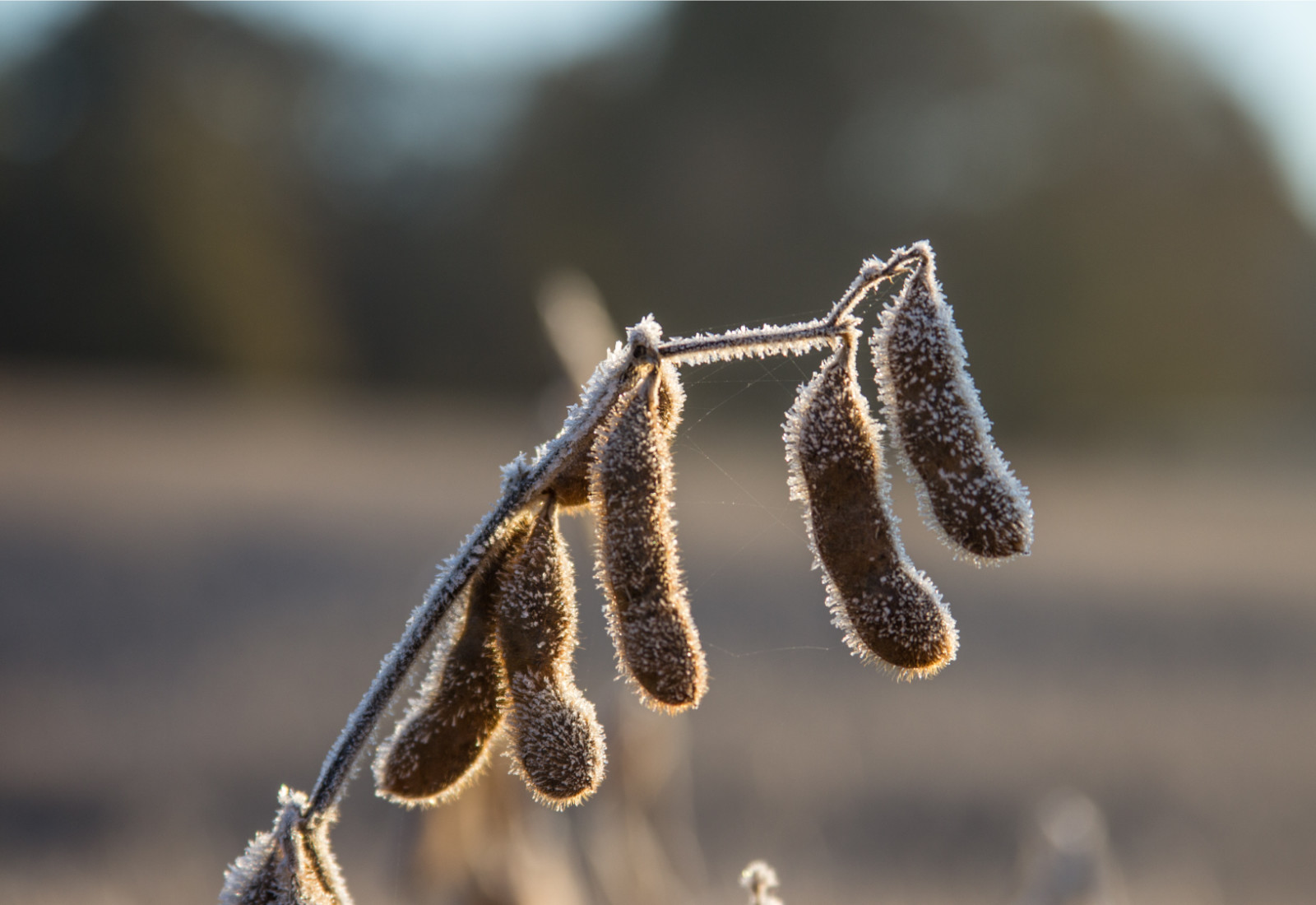
"The cold spell and the low temperatures in the first half of December allowed an improvement in the level of frost tolerance leading to advanced to fully hardened stages," the crop monitor said.

Hardening is the process whereby winter cereals gain low-temperature tolerance to withstand freezing conditions that occur during the winter dormancy period.

Compared with last year, the hardening process is more advanced than in most parts of Europe, the monitor said.

However, some frost damage was confined to some areas in central and eastern Germany and Poland, they added.

Analysts said that the cold spell in parts of Europe is not expected to cause much harm to winter grains and may benefit crops in France after a very mild autumn.

The Black Sea region's warmer than average temperatures continued to the benefit of late sown crops, but is also leaving crops vulnerable to cold snaps, though no cold wave is currently forecast, the monitor said.

Rain deficits persisted in the Baltic sea region, northern Germany, Poland and south eastern Spain and Turkey, but has not had a substantial impact so far on winter cereals, MARS said.

Drought conditions are still recorded in north western Italy and throughout the Maghreb region which is likely to cause a delay to sowing, they added.

On the other hand, intense rains in Slovenia and Croatia may have locally compromised crop establishment.

The mild temperatures during the autumn resulted in slightly to partially hardening winter crops in most parts of Europe at the end of November, the crop monitor said.

Source - https://www.reuters.com

14.06.2026

Zurich Australia partners with Crop Risk Underwriting

Zurich Australia has partnered with Crop Risk Underwriting (CRU), a specialist crop insurance underwriting agency and part of the 360 Group of Companies, to provide crop insurance in Australia from June 1, 2026.

14.06.2026

Fiji - Crop cover push: Scheme to help farmers recover faster, says Tunabuna

Over the past 10 years, natural disasters have wreaked havoc through farmlands costing Government more than $700million.

14.06.2026

Canada - Tornado warnings and hail put southeast Saskatchewan insurers on alert

A severe weather outbreak across 29 rural municipalities is set to drive a wave of home, auto and crop insurance claims.

14.06.2026

India - Maharashtra storms damage 18,121 hectares of bananas

Unseasonal rainfall, strong winds, and hailstorms have affected crops across more than 61,000 hectares in 27 districts of Maharashtra, India, with banana plantations accounting for a large share of the reported losses. 

14.06.2026

Colombia passes law to track cattle and keep deforestation-linked beef out of supply chains

Colombia has enacted a landmark law requiring the cattle industry to trace livestock and prove beef supply chains are free from deforestation, a measure environmental groups say makes it the first tropical forest country to adopt such a nationwide framework.

14.06.2026

Syngenta eyes deeper market expansion as Bangladesh agriculture embraces digital transformation

Company strengthens support for farmers through digital advisory platforms, crop insurance, mechanisation services, and climate-resilient agriculture initiatives.

04.06.2026

India - Delhi raises crop damage compensation after 10 years by over 50% to Rs 75,000 per hectare

In a major relief for farmers, the Delhi government has increased compensation for crop loss caused by rain and hailstorms from Rs 20,000 per acre to Rs 75,000 per hectare.

04.06.2026

Why Tech-Driven Agro-Insurance Has Stumbled in Ethiopia

For decades, Ethiopia’s agricultural sector has remained trapped in a dangerous paradox.