Egypt - Climate change is affecting fruit production, moving production windows

17.11.2023 659 views

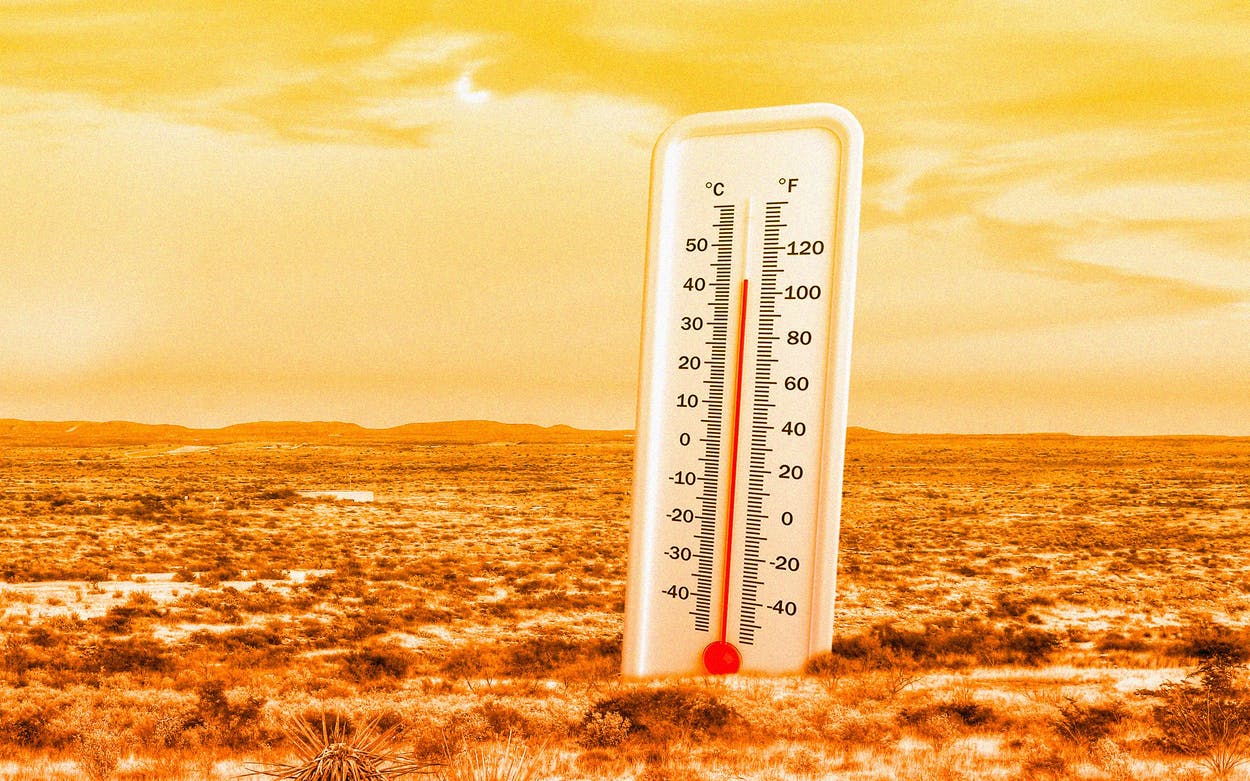
This summer in Egypt, extreme heat prompted the managers of a 40-hectare orchard in the Nile Delta to take extraordinary measures, such as wrapping each mango with paper and applying kaolin clay to oranges as a protective shield against the scorching temperatures. This summer has been declared the hottest on record, with temperatures in mid-November still surpassing 30ºC, almost 10ºC higher than the historical norm for this time of year.

Climate change-induced rising sea levels are not only causing erosion along Egypt's Mediterranean coastline but are also rapidly salinating the fertile farmlands in the crucial Nile Delta, a region vital for the nation's agriculture. Simultaneously, prolonged and hotter summers are increasing costs and reducing yields for farmers, creating a ripple effect on consumers already grappling with soaring inflation amid economic challenges.

Renowned climate change and agriculture expert Waleed Ramadan noted the shift in growing patterns, stating, "What used to be grown only in southern Egypt, where it's hotter than the rest of the country, is now being grown in the north. And the crops that are normally grown in September or October are now put back to November and December when the weather is cooler."

This alteration in productivity not only impacts local markets, leading to higher prices, but also affects the export season, with strawberries, for example, competing against superior quality produce from countries like Morocco and Spain, extending Egypt's export season into May and June.

Source - https://www.freshplaza.com

02.09.2026

Philippines - Bayambang declares state of calamity over P31-M agricultural losses

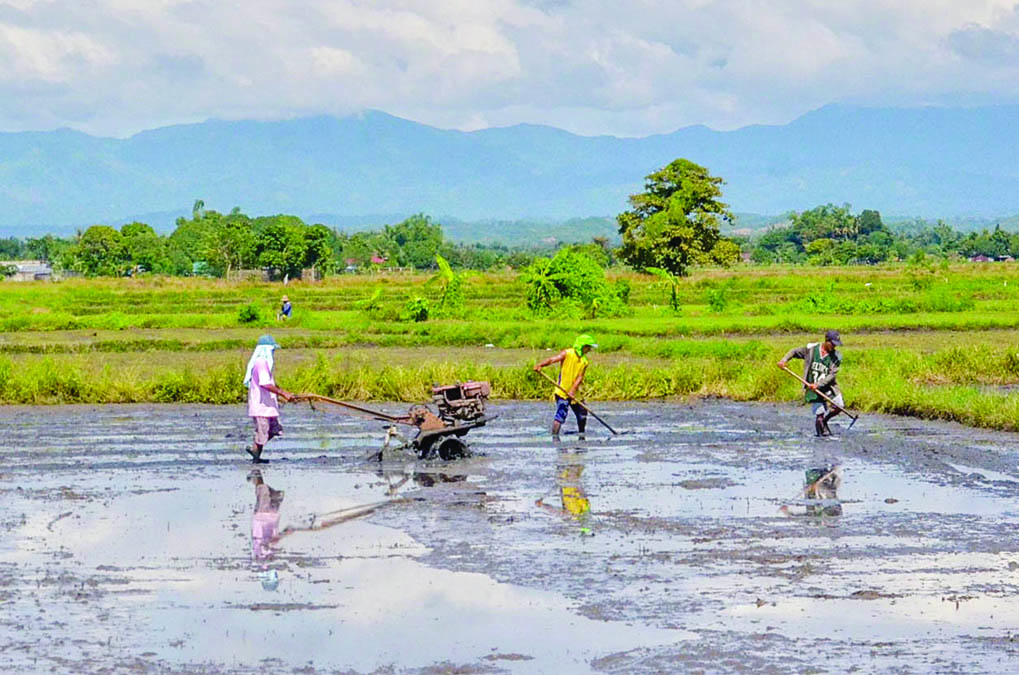
The municipal council of Bayambang has placed the town under a state of calamity after Tropical Storms “Luis” and “Maymay” and the enhanced southwest monsoon, or habagat, caused more than P31 million in agricultural losses.

02.09.2026

USA - Lynndyl farmers assess crop losses after 100 mph winds and hail

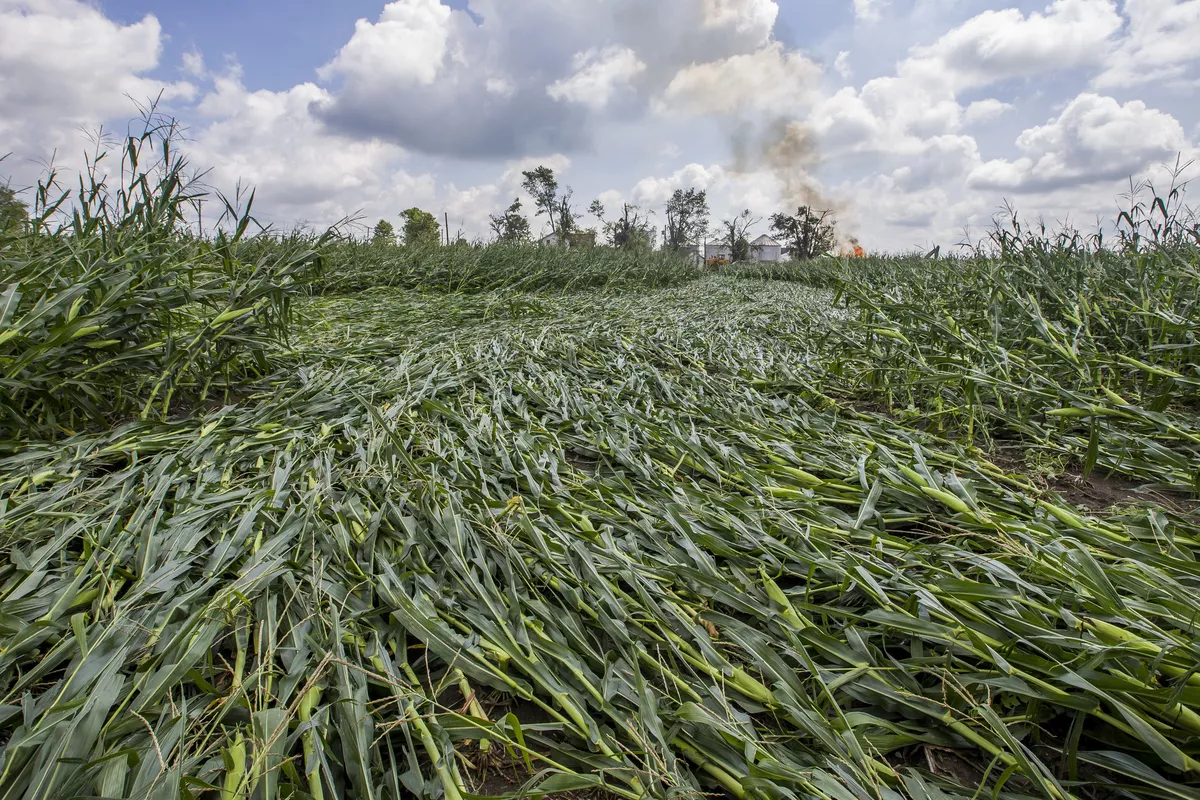
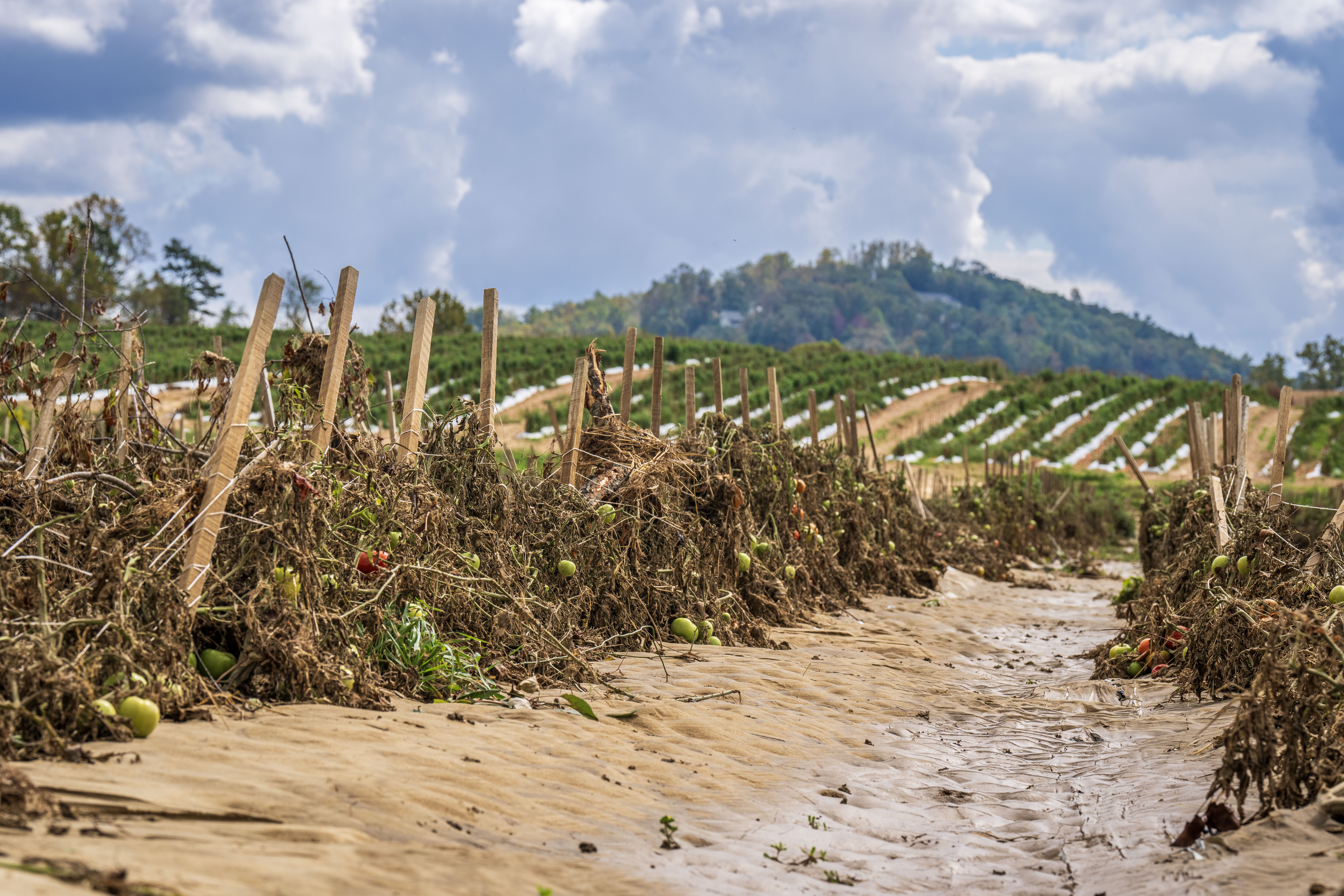
Farmers in and around Lynndyl are beginning to assess severe losses after a powerful weekend storm ripped through fields with destructive winds and hail just as some crops were nearing harvest.

02.09.2026

USA - New Insurance for Breeding Heifers

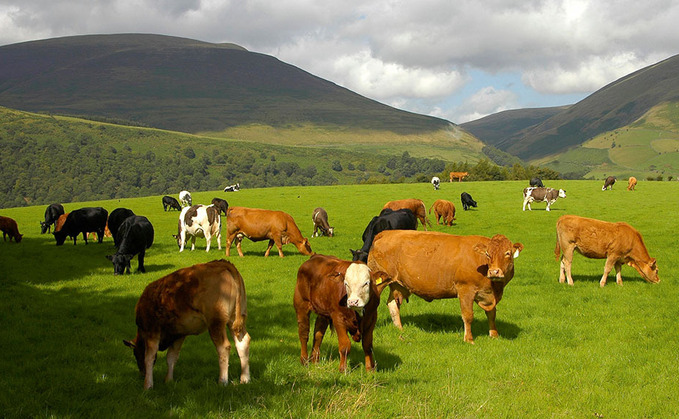
New LRP Coverage Aims to Reduce the Risk of Retaining Heifers for Breeding.

02.09.2026

Corn's $6 Surprise Could Change the Profit Math for U.S. Farmers

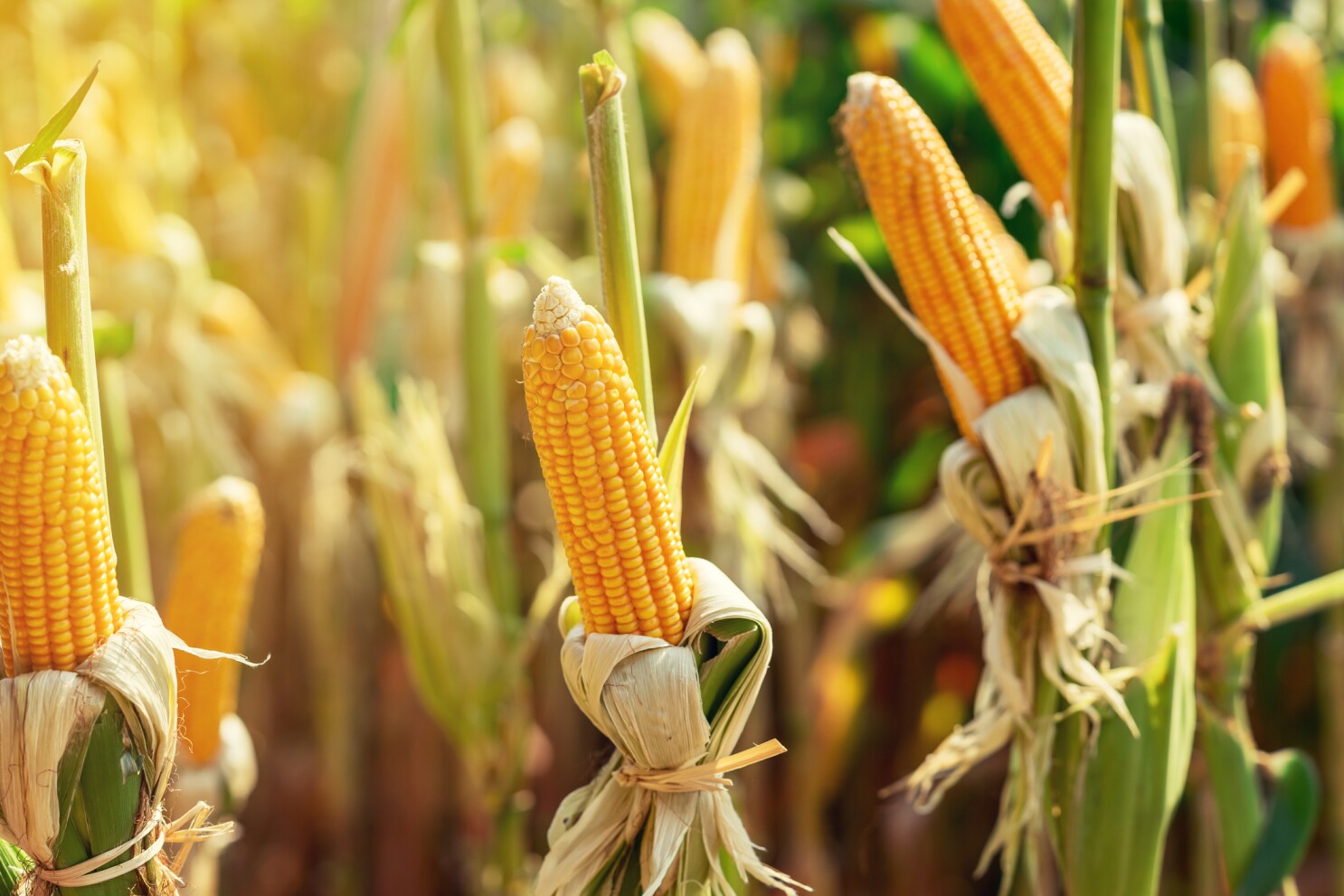
Corn may already be worth more than the board suggests as farm payments and incentives add about 52¢ per bushel to producer revenue.

02.09.2026

Philippines - Iloilo turns over P10M for farm, fishery insurance

The Iloilo provincial government has turned over P10 million to the state-owned Philippine Crop Insurance Corp. (PCIC) to expand insurance protection for farmers and fisherfolk vulnerable to losses from El Niño, La Niña, typhoons, pest infestations and other calamities.

02.09.2026

India - AP sees 1,263% rise in non-loanee crop insurance

The State witnessed a remarkable 1,263% jump in non-loanee farmer registrations, with their participation rising from 2 lakh in the previous Kharif season to 25.26 lakh farmers this year.

01.09.2026

South Africa - Grain SA calls for affordable crop insurance as dry weather threatens Swartland wheat

Severe rainfall shortages threatening the Swartland wheat crop have highlighted the need for government support to make crop insurance affordable for dryland producers.

01.09.2026

USA - Florida farms face nation’s highest disaster loss rate

Natural disasters destroy billions of dollars in U.S. agricultural production each year. From drought and wildfires in the West to hail in the Midwest and hurricanes in the Southeast, farms lose an average of $5.1 billion in crops and livestock annually, according to the Federal Emergency Management Agency.