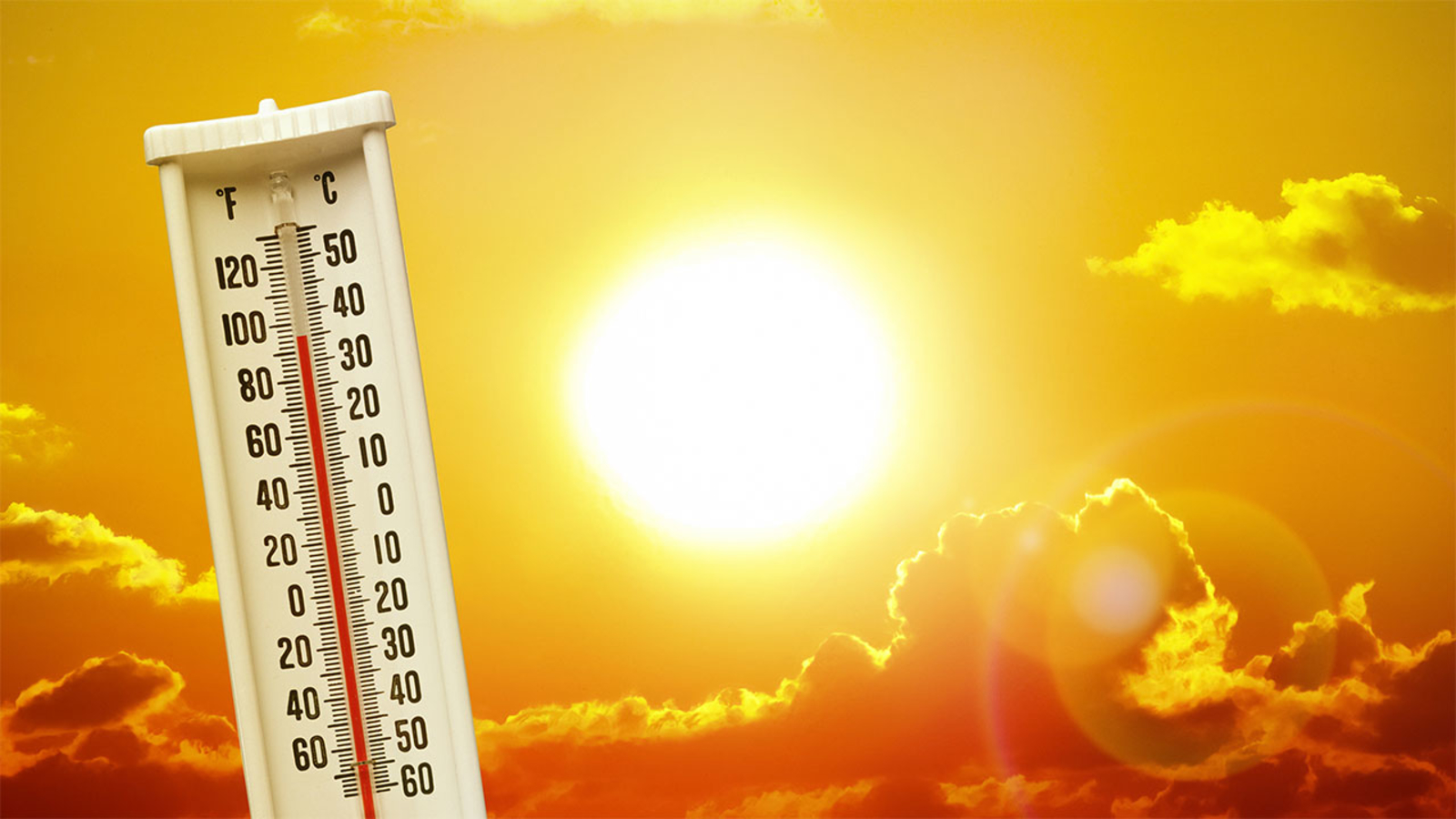
An ongoing heatwave is affecting Egypt’s mango harvest this summer, much of which is intended for export, farmers said.
Mango farmers in the Nubareya region of El Beheira province said that a sizeable portion of their crop had been ruined by sunburn, a common occurrence in fruit grown in dry areas such as Egypt.
Although mangoes thrive in hot, humid climates, the fruit can become stressed and its flesh ruined if temperatures rise above the mid-40s. Sunburn is clearly visible on mangoes as a dry, brown patch on the skin.
"This season, four of 10 mangoes have got sunburnt,” said Hassan El Refaey, a mango farmer in Al Nubareya.
“Our crop is not for local consumption, it is packaged and exported and the customs inspectors will send back a batch that is sunburnt," he said.
“What we’ve found is that if we place one sunburnt mango in a crate with healthy mangoes, the discolouration spreads and ruins the rest of the batch.”
Mohamed Fahim, a consultant on climate change to Egypt's agriculture minister, said the ministry had received reports of heat-affected harvest from mango farmers but he did not expect this to affect citizens in general or the country's overall revenue from fruit exports.
Mr Fahim said Egypt’s export authorities could be quite strict about the parameters for produce that is allowed to leave the country.
“There are a number of rules on ripeness and general health and there are also rules that dictate the shape, size and colour of fruit that is allowed to be exported,” he said.
Sunburnt mangoes unfit for export will most likely be sold locally by the piece at lower prices. Many are also sold to local juice shops.
“The sunburnt fruit doesn’t actually taste that different, that’s why people still buy it. But it looks off-putting, which is why it’s sold at a cheaper price. This makes it perfect for juicing,” Mr Fahim said.
He said mangoes were a luxury item for most Egyptians, so if prices went up then people simply did without.
Egypt's main crop exports are citrus fruits, with mangoes making up only a small percentage, which means the loss from heat damage will have little effect on revenues, he said.
Egypt can produce up to 1.2 million tonnes of mangoes every year, but output can fluctuate dramatically from year to year so exact figures are difficult to ascertain. There was a severe drop in mango production in 2021 because temperature fluctuations caused the fruit to fall early. However, output rose again last year, Mr Fahim said.
"The loss of the mango crop is really not what should be focused on here. These things happen. What we should pay attention to is that events like this heatwave, which pose a threat to our agricultural production, are undoubtedly caused by climate change," he said.
Heatwaves are relatively common in July and early August in Egypt. While similar temperatures were recorded previous years, what was different this year, according to Mr Fahim, was the unexpected heat.
“Heat and temperature are different metrics in physics and while two places can have the same temperature, one can have more heat that is perceptible to people living there, which is why this week felt so hot, even though we have seen these temperatures before,” he said.
“This heatwave is also unique in a couple of ways. Firstly, in the past, it would get hot during the day and the crops would get a reprieve at night when the heat would be released. This is not happening this time around and they are suffering a sustained baking of sorts,” he said.
Furthermore, the heatwave was marked by very high levels of humidity, which increased heat energy and damaged crops further.
“Many of us in the agricultural sector are waiting for the implementation phase of the loss and damage fund which was agreed on at Cop27. It’s only fair that the countries responsible for the majority of climate change issues pay to help poor countries with the environment consequences of that,” he said.
Mr Fahim’s sentiments about the loss and damage fund, which was preliminarily agreed upon at the 27th UN climate change conference held in Egypt’s Red Sea city of Sharm El Sheikh last year, have been voiced repeatedly by other officials who think environmental reparations from developed countries are in order.
He hopes that the issue of adaptation will be one of the main discussions at Cop28, which is being hosted in Dubai later this year, because it is one that directly pertains to Egypt’s agricultural longevity.
Source - https://www.thenationalnews.com