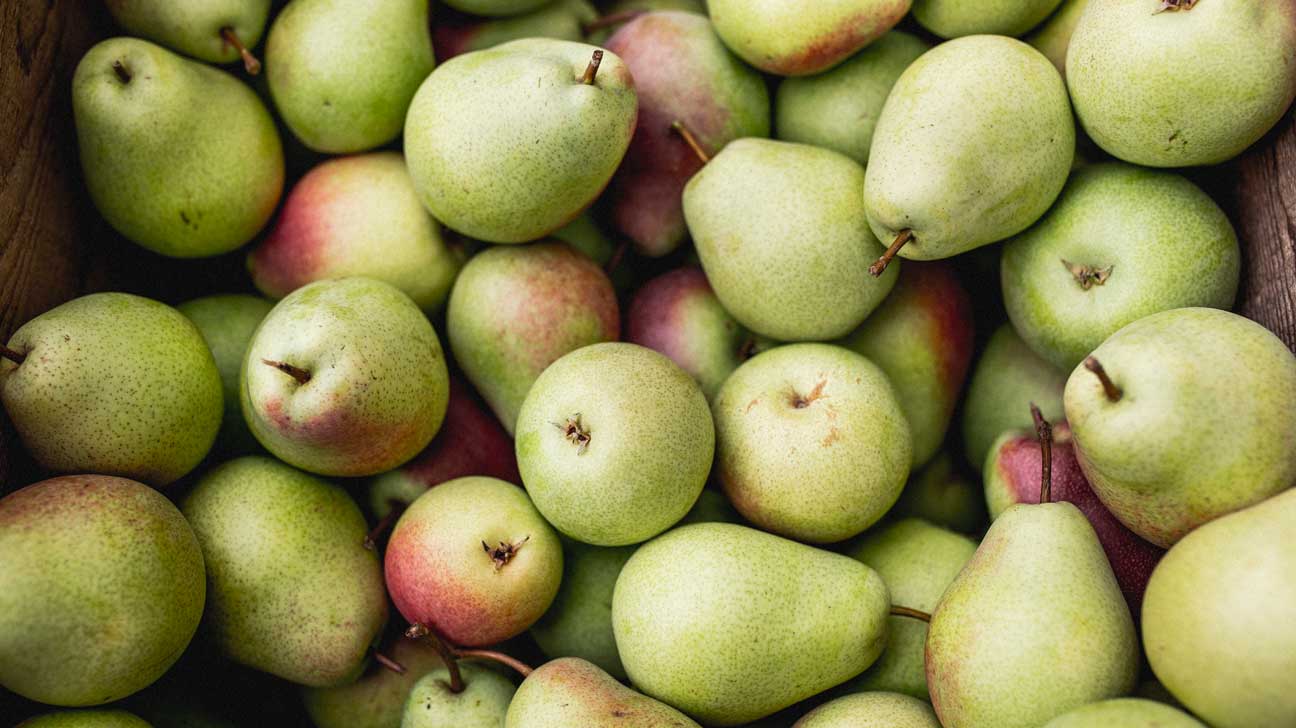
According to initial estimates released today at Interpera, the international pear congress held in Lleida, the forthcoming European pear harvest will be one of the smallest in the last 10 years, with a forecast around 1,900,000 tonnes.
On the basis of flowering and fruit set, Spain's production will be up by 53% with 190,600 tonnes of pears, Portugal up by 7% with 130,000 tonnes, France down by 26% to 109,000 tonnes, Belgium up by 6% to 366,000 tonnes, while the Netherlands and Italy have not yet calculated their exact harvest forecasts, but are making downward predictions.
Harvest forecasts by country:
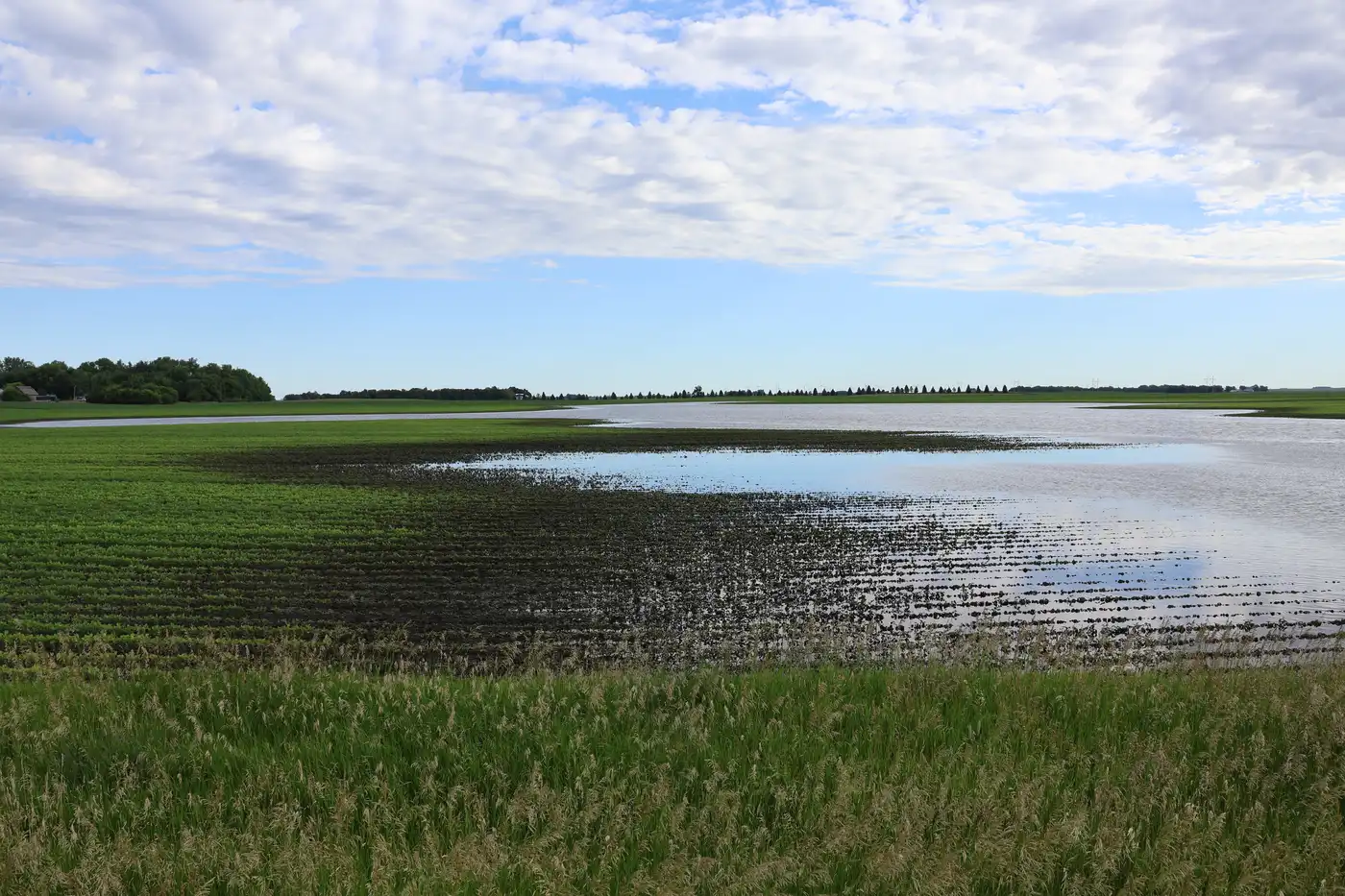
Italy: poor fruit set, significant petal fall and the unpredictable impact of flooding in Romagna, which could threaten the survival of some plantations.
Netherlands: the harvest is expected to be the same or slightly lower than in 2022-23 due to low rainfall at key times.
France: variations between the various French basins are expected. Production potential has been significantly reduced, with a gradient from south-east to north: rather poorer in the south and improving upwards, and therefore a gradient from summer varieties (Guyot) to autumn varieties.
Portugal: grower representatives are optimistic about the good weather conditions and good fruit set, and are expecting larger sizes.
Belgium: an increase in the harvest is expected, thanks to good flowering, good fruit set and good size.
Spain: production is set to increase, enabling the country to regain its pear production potential after a poor season last year. However, doubts remain over the possible effects of the drought. Generally speaking, good sizes are expected, but in the areas affected by the drought the final size of the fruit is still uncertain.
Trade estimates for the coming season are therefore fairly optimistic, with one exception: Italy. Despite a drop in production due to the recent climatic disaster, the Italian representative present announced that the country would make the most of its final production, whatever it may be.
Consumption
A common statement from the speakers panel was that it is essential to increase consumption, to communicate to consumers that fruit is not expensive. European households react positively in terms of consumption and amount spent when presented with a good product.
Climate change
The latest Interpera presentations focused on climate change and crop adaptation. Professor Antonio Ruiz de Elvira from the University of Alcalá de Henares stressed that "we missed the opportunity to mitigate climate change, now we have the opportunity to adapt" by implementing strategies such as drip irrigation, planting drought-resistant varieties, installing capillary run-off systems and, finally, planting trees.
The conference then highlighted studies carried out in various countries, such as innovations in irrigation and shading of plantations, and analysis of the distribution of the CO2 footprint in pear cultivation and handling.
Finally, the last speaker proposed genetic improvement as an option for combating climate change, with varieties that are tasty, productive and suitable for a wide range of crops.
Next edition of Interpera
Interpera was created in 2008 in Lleida and, thanks to Afrucat (Catalan Association of Fruit Companies) and AREFLH (the Assembly of European Horticultural Regions), has become a travelling event that travels to the world's main production areas.
This year, more than 140 international participants took part in the two days of meetings, technical information and cultural discovery. The Interpera 2024 session will remain in southern Europe and be hosted by Portugal.
Source - https://www.freshplaza.com