According to the World Health Organization (WHO), 10% of the global population suffers from food poisoning each year. Aflatoxins, the main contributor to food poisoning around the world, contaminate cereals and nuts and humans, especially vulnerable groups like the young, elderly, or immune-compromised, and animals are susceptible to their toxic and potentially carcinogenic effects.
Fungi contamination occurs all along the production cycle, during and after harvest, so the mitigation of the mycotoxins challenge requires the use of an integrated approach, including the selection of farmer-preferred tolerant varieties, implementing good agricultural practices such as crop rotation or nitrogen management, reducing crop stress, managing pests and diseases, biological control of mycotoxigenic strains, and good post-harvest practices.
Monitoring of mycotoxins in food crops is important to identify places and sources of infestations as well as implementing effective agricultural practices and other corrective measures that can prevent outbreaks.
A bug problem
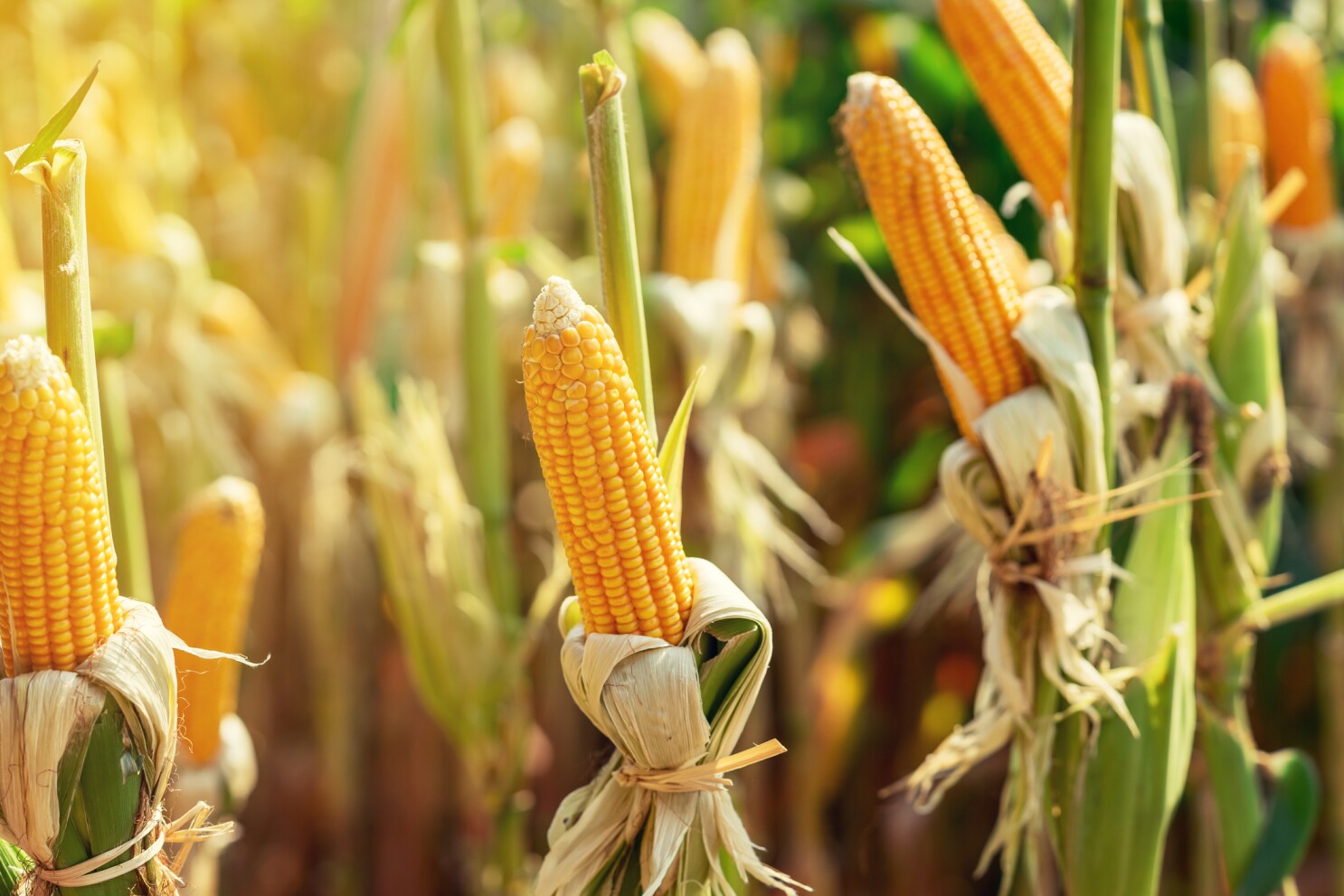
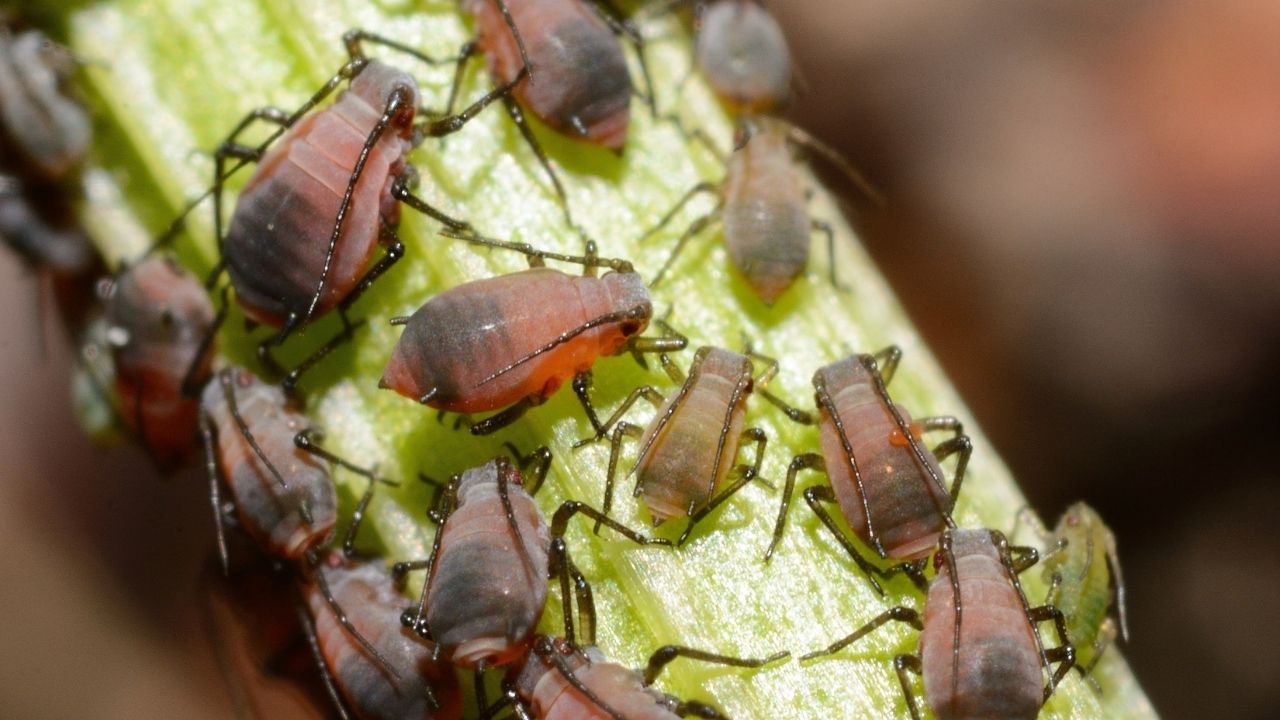
Insects can directly or indirectly contribute to the spread of fungi and the subsequent production of mycotoxins. Many insects associated with maize plants before and after harvest act as a vector by carrying fungal spores from one location to another.
International collaboration is key to managing the risks associated with the spread of invasive pests and preventing crop damage caused by the newly introduced pests. CIMMYT, through CGIAR’s Plant Health initiative, partners with the Center for Grain and Animal Health Research of the US Department of Agriculture (USDA) and Kansas State University are investigating the microbes associated with the maize weevil and the larger grain borer.
The experiment consisted of trapping insects in three different habitats, a prairie near CIMMYT facilities in El Batán, Texcoco, Mexico, a maize field, and a maize store at CIMMYT’s experimental station at El Batán, using Lindgren funnel traps and pheromones lures.
Preliminary results of this study were presented by Hannah Quellhorst from the Department of Entomology at Kansas State University during an online seminar hosted by CIMMYT.
The collected insect samples were cultured in agar to identify the microbial community associated with them. Two invasive pests, the larger grain bore and the maize weevil, a potent carcinogenic mycotoxin was identified and associated with the larger grain borer and the maize weevil.
The larger grain borer is an invasive pest, which can cause extensive damage and even bore through packaging materials, including plastics. It is native to Mexico and Central America but was introduced in Africa and has spread to tropical and subtropical regions around the world. Together with the maize weevil, post-harvest losses of up to 60% have been recorded in Mexico from these pests.
“With climate change and global warming, there are risks of these pests shifting their habitats to areas where they are not currently present like sub-Saharan Africa and North Africa,” said Quelhorst. “However, the monitoring of the movement of these pests at an international level is lacking and the microbial communities moving with these post-harvest insects are not well investigated.”
Source - https://www.cimmyt.org