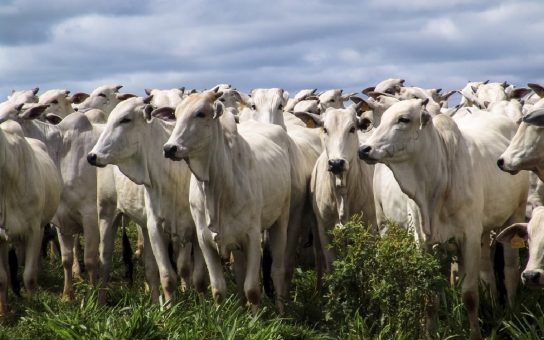
The Chief Executive, SMEFUNDS, Femi Oye, has proposed the adoption of agrivoltaics as a means to enhance livestock production.
The initiative seeks to support farmers in ranches and pastoral areas that struggle with inadequate power supply. Agrivoltaics, which combines solar energy production with agricultural practices, is gaining traction in livestock management, enabling farmers to develop a more sustainable, resilient, and economically viable farming framework.
He reacted to the research conducted by West Virginia University researchers in the United States, which highlighted the benefits of solar panels for small cattle farms. The findings suggested that the implementation of solar panels could increase the profitability of cattle grazing lands.
He remarked that technologies like agrivoltaics would play a crucial role in diversifying income streams for farms.
Additionally, he pointed out that the notion of adopting new and sustainable technologies may resonate with younger generations, as it opens up avenues for them to pursue careers in agriculture.
He underscored the importance of government collaboration with private sector entities to explore the potential benefits of agrivoltaic systems and assess their deployment in the Northern states, assisting livestock farmers in managing the escalating costs of feed and the current grass shortage to enhance agricultural productivity.
According to him, a groundbreaking solar-grazing project is contributing to the advancement of green energy and agriculture in Jilin village, China. The sustainable “solar-grazing” farm, operated by China Three Gorges Corporation at the Fuxian Photovoltaic Power Station,he maintained departs from traditional solar farms by combining raised solar panel installations with animal shelters.
He explained that this design maximizes sunlight collection while allowing for extensive grazing areas underneath. The previously unproductive soil in Fuxian, he noted, has transformed into vibrant pastures that support the livestock industry and improve the ecological integrity of the land.
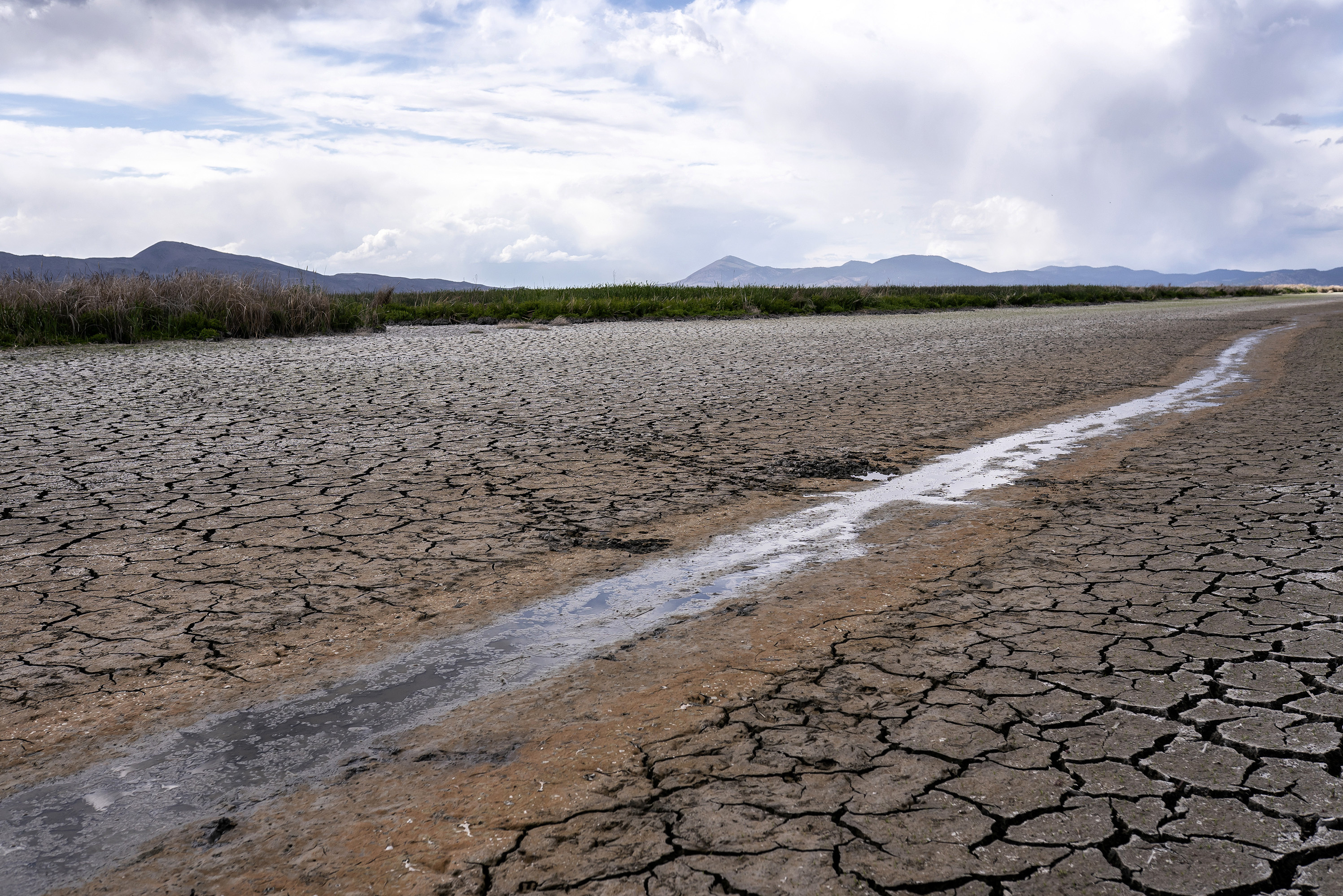
At the University of Tasmania (UTAS), he continued that researchers investigated the potential advantages of agrivoltaic systems across three countries, concluding that these systems can significantly enhance agricultural productivity in arid and semi-arid regions.
According to him, the findings indicate that UTAS researchers have identified agrivoltaic technology as particularly beneficial for improving agricultural output in these challenging environments.
The study conducted by the UTAS School of Engineering and the Tasmanian Institute of Agriculture (TIA),he pointed out, explored the impact of solar panel sunlight interception on various factors, including soil moisture, drought resilience, electricity generation, and agrifood production in Australia, Iran, and Chad. He emphasised that the research advocates for policymakers to promote the deployment of agrivoltaic systems in arid regions by encouraging both public and private investment. The research paper titled “Agrivoltaics as an SDG Enabler: Trade-Offs and Co-Benefits for Food Security, Energy Generation and Emission Mitigation” delves into the potential of agrivoltaics as a viable approach to achieving sustainable development goals (SDGs).
Source - https://thenationonlineng.net