Extreme weather events could cost global economy $5tn

16.10.2023 534 views

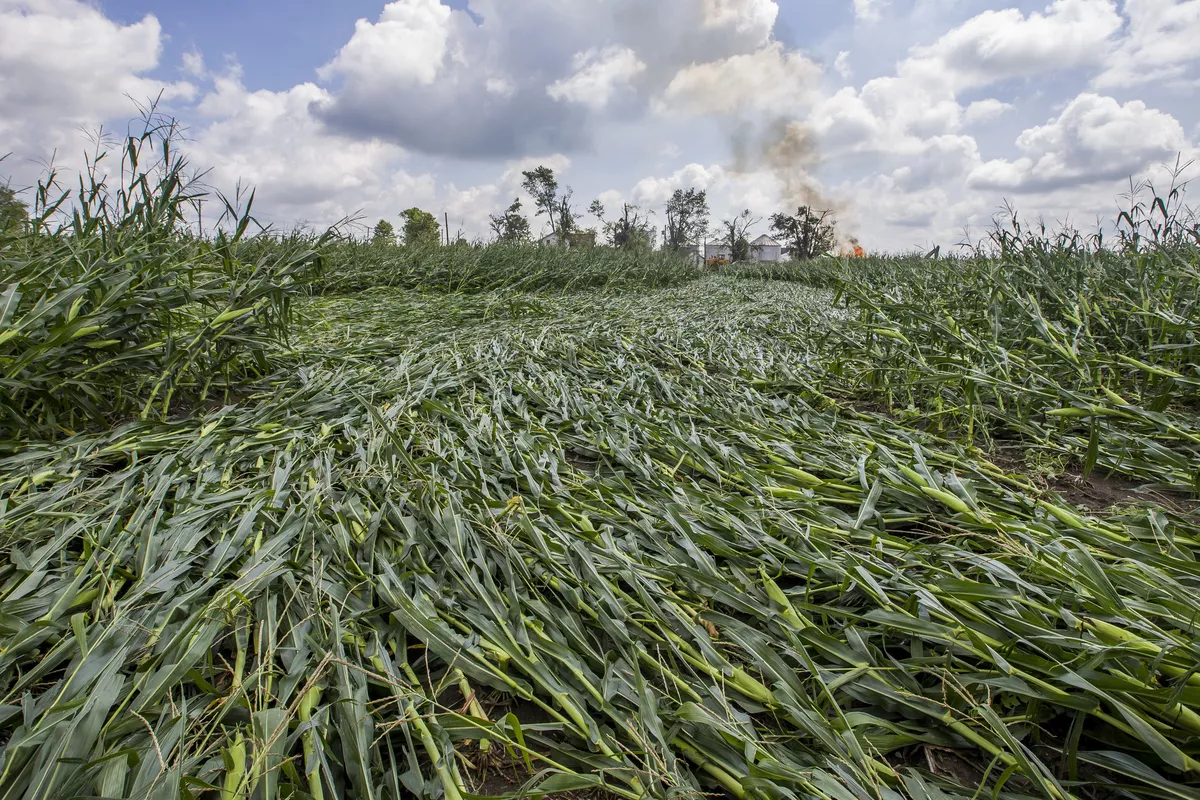
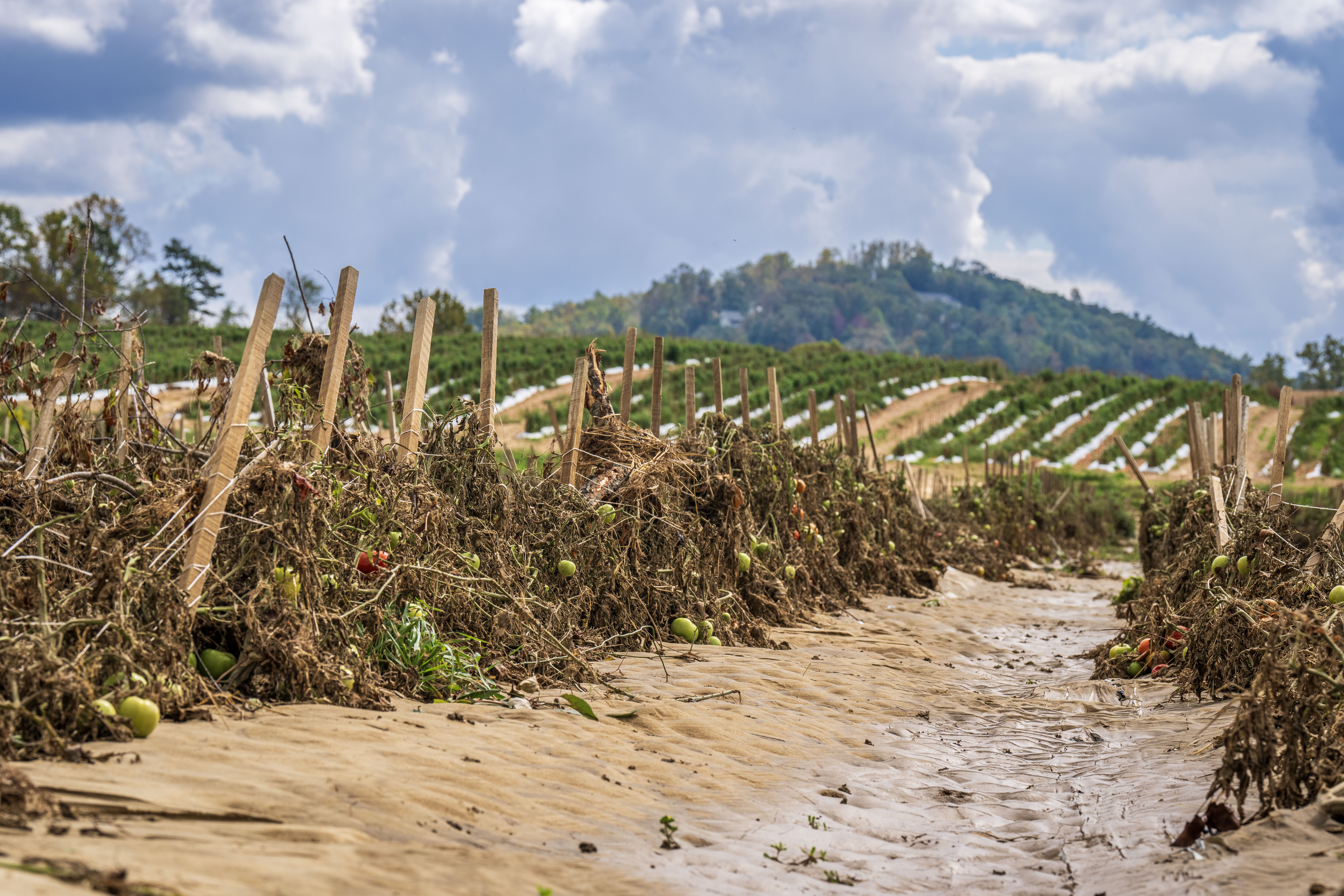
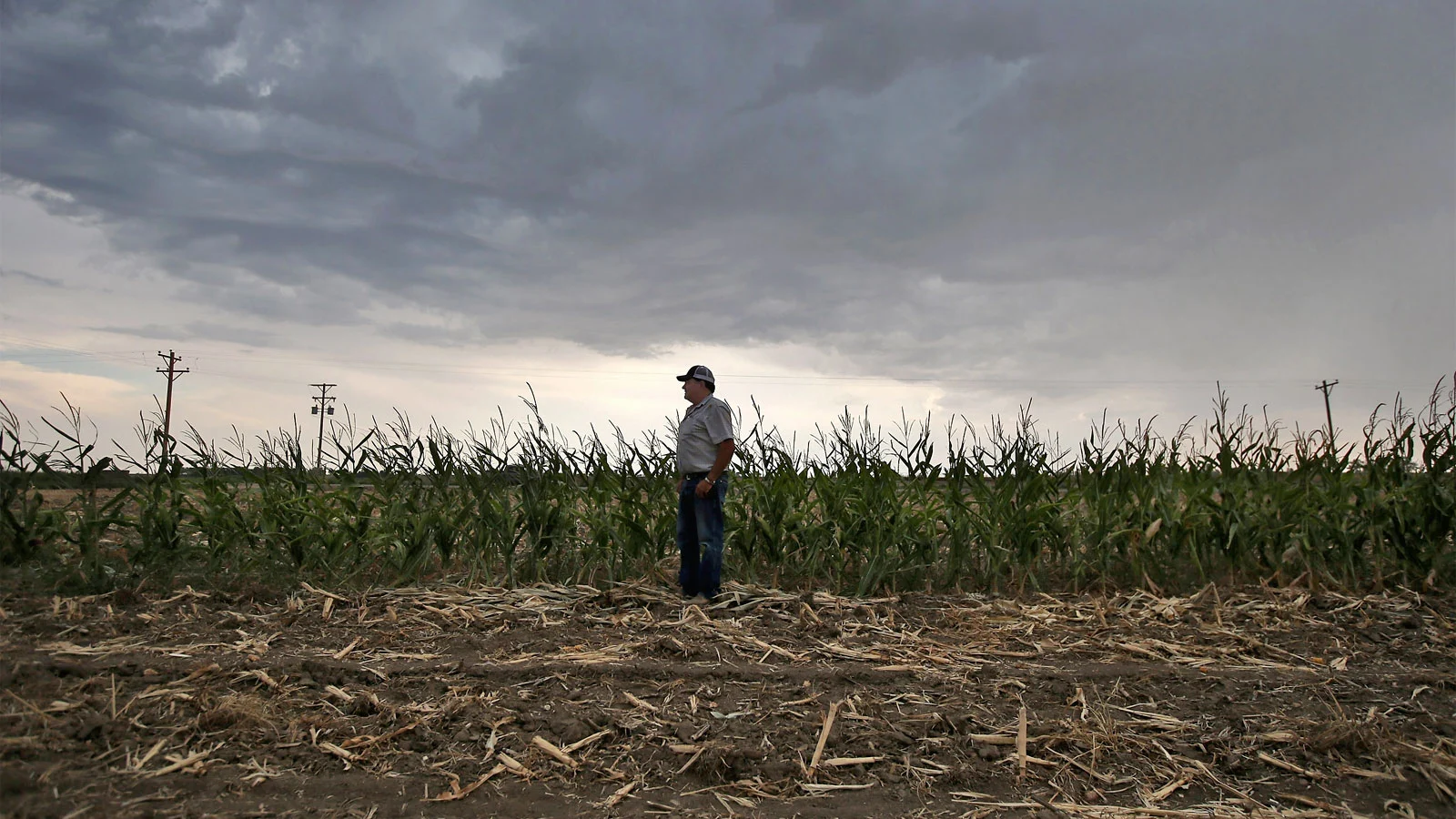
New economic modelling by the world’s leading insurance market, Lloyd’s of London, has shown extreme weather events that lead to food and water supply shocks could cost the global economy $5 trillion over a five-year period.

The modelling takes hypothetical extreme, but plausible, weather events, such as severe drought or flooding, and predicts how the scenarios might play out across the global economy and how the damage and crop loss would promote significant shifts in geopolitics and consumer behaviour.

The research was carried out by Lloyd’s Futureset, in partnership with the Cambridge Centre for Risk Studies, and aims to help businesses, governments and insurers understand how exposed they are to the risks of extreme weather events linked to climate change.

The $5 trillion is an average cost across three levels of severity for an extreme event, which range from $3 trillion for the lowest severity to $17.6 trillion for the most extreme weather calamity.

Within the modelling, the weather events are ranked by the probability of them occurring, with a major event having a once-in-50-year chance of happening, a severe event a once-in-100-year chance and an extreme event a once-in-300-year probability.

“Lloyd’s is committed to building society’s understanding and resilience around systemic risk and protecting our customers against increasing climate threats,” said John Neal, chief executive at Lloyd’s.

“It is critical that our market continues to collaborate with the public and private sectors to address this challenge at scale and ensure a sustainable future for all.”

‘Systemic threats’
The complex economic modelling can be applied at the regional level as well.

For example, the research postulates that if an extreme event occurred in Greater China, it would lead to $4.6 trillion in economic losses over five years.

If something like an extreme hurricane hit the Caribbean, the modelling calculates that countries in the region could collectively lose 19 per cent of their gross domestic products over a five-year period.

“The global economy is becoming more complex and increasingly subject to systemic threats,” said Trevor Maynard, executive director of Systemic Risks at the Cambridge Centre for Risk Studies.

The Lloyd’s research highlights a gap between insurance and possible economic losses, because it is estimated that only a third of the global economic losses that could be caused by extreme weather and climate-related risks are currently insured.

Source - https://www.hellenicshippingnews.com

18.01.2026

India - Bihar Launches Online Crop Loss Compensation Scheme: Farmers Can Claim ₹7,500–₹10,000 per Hectare

The Bihar government has announced financial assistance for farmers affected by crop losses under the Bihar State Crop Assistance Scheme. 

18.01.2026

Afghanistan - $30m new cold storage facility opens in Kabul to boost agriculture

The Ministry of Agriculture, Irrigation and Livestock (MoAIL) has inaugurated a new cold storage facility in Kabul, saying it will help reduce agricultural waste, cut imports, and strengthen the economy.

18.01.2026

Pakistan frost wipes out 65% of tomato crop in Khushab district

A frost event damaged standing tomato crops across villages, including Kathha Saghraal, Kathha Misraal, and Kotli Rajgan in the foothills of Daman-e-Mahaar in Pakistan's Khushab district. Fields that had been producing red and green tomatoes were affected within a short period, with plants showing dried leaves and damaged stems.

18.01.2026

Ireland Leads Europe in Regenerative Ocean Farming

Ireland is leading a new EU-backed initiative to scale sustainable seaweed farming while restoring marine ecosystems across Europe. The SEAGROW project is funded by the European Maritime, Fisheries and Aquaculture Fund and is coordinated from Ireland by Óir Na Farraige. The project aims to improve productivity in seaweed cultivation while enhancing biodiversity and ecosystem health.

18.01.2026

India needs fertiliser pricing reforms to restore soil health

India needs to urgently restore the health of its soils to improve crop health and human nutrition through a combination of approaches, including policies for rationalising fertiliser pricing, a new paper said. It also called for the development of precise, customised and site-specific fertilisation solutions, complemented by appropriate agronomic practices.

18.01.2026

China issues action plan to speed up agricultural modernization

China seeks to speed up agricultural modernization over the next five years by establishing demonstration zones that leverage deepened reforms and technological innovation to enhance production capacity, as well as the quality and efficiency of agricultural output.

15.01.2026

Soil-based method can stop locust swarms from destroying crops

"They're very destructive when there's a lot of them, but one-on-one, what's not to love?" says Arianne Cease. She's talking about locusts.

15.01.2026

Fifty French farmers arrested after storming agriculture ministry building in Paris

Around 100 members of the Confédération Paysanne union entered a section of the ministry, which they occupied for an hour to denounce the government's agricultural policy.