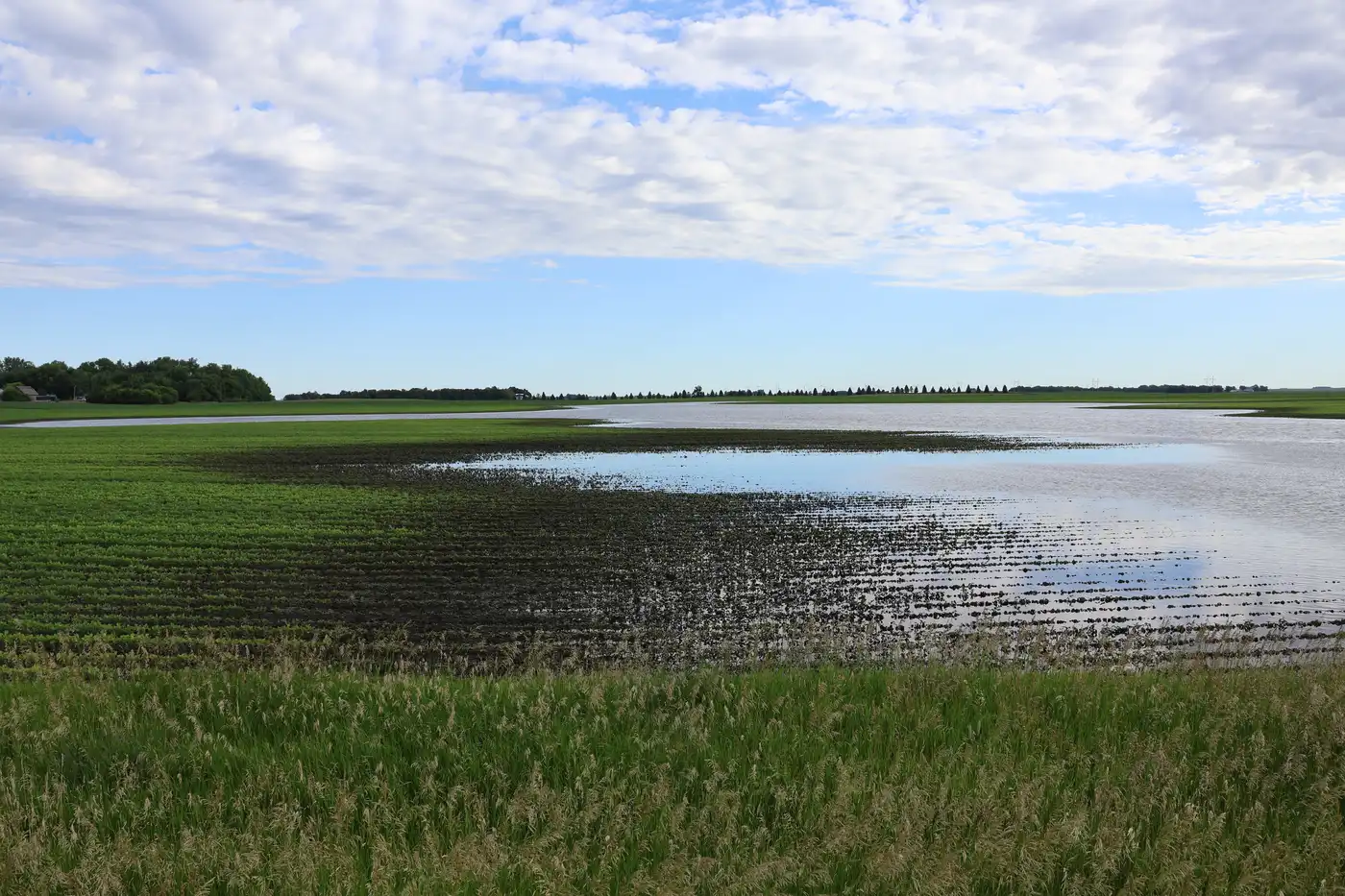
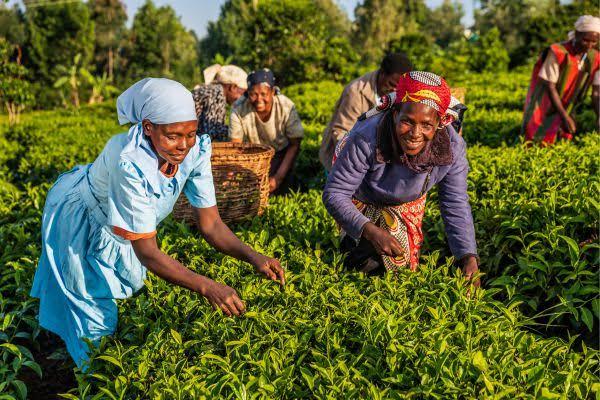
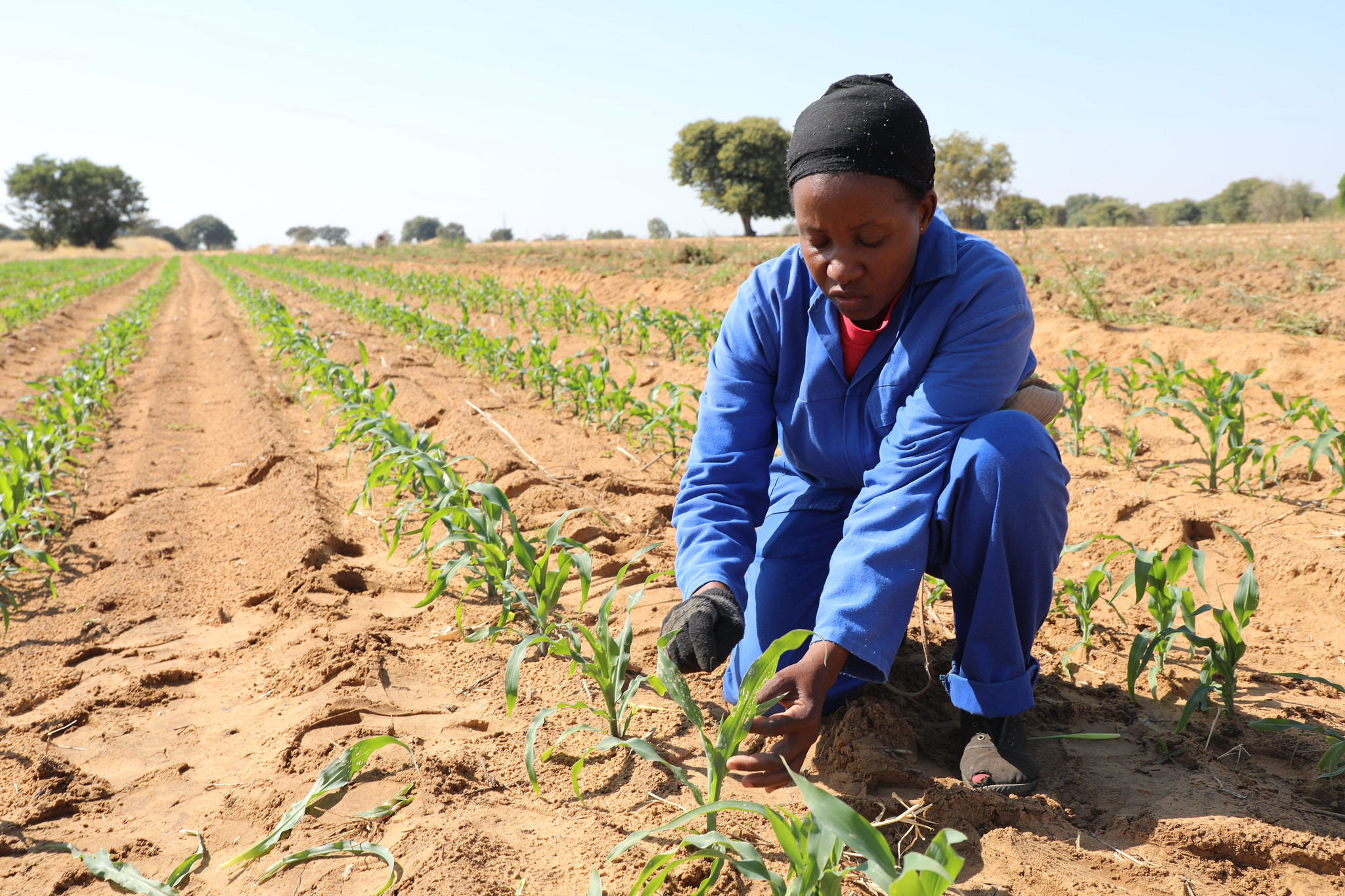
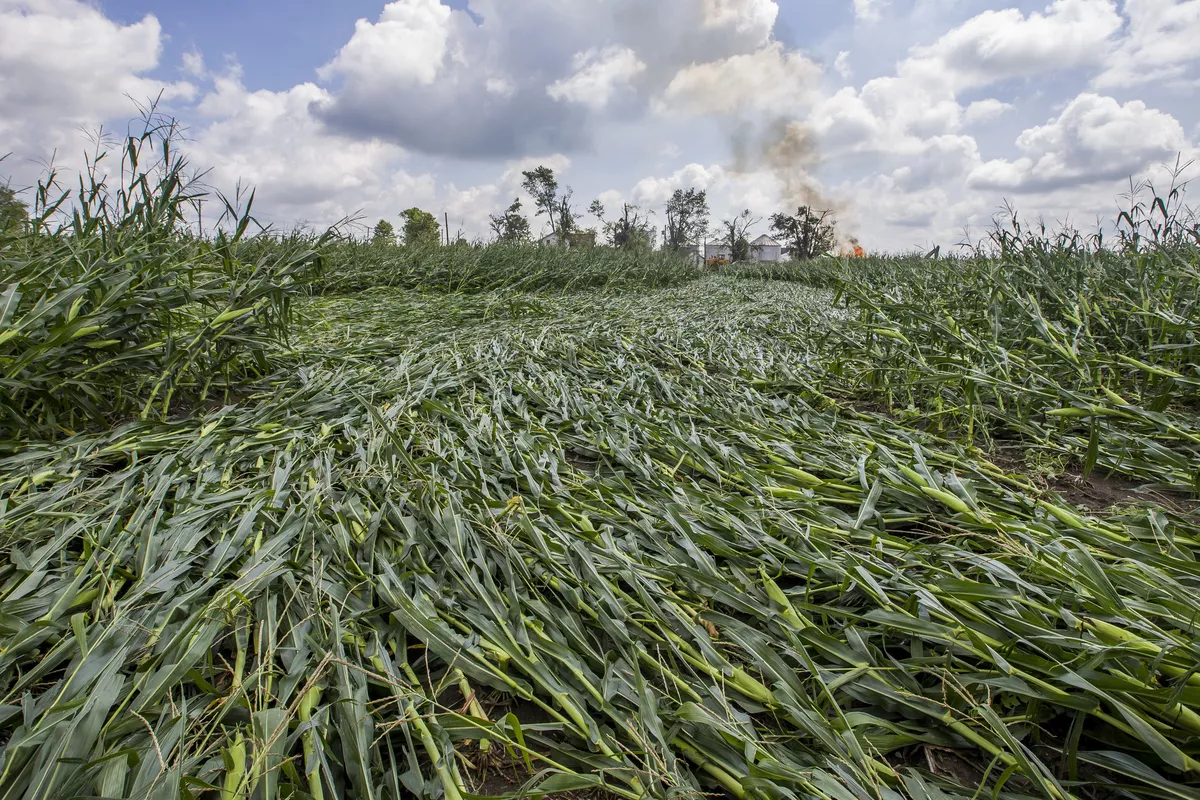
Fungal diseases are decimating crops, with farmers losing 10% to 23% of their harvests to infections yearly – plus more in postharvest losses. Diminishing yields threaten global food security and scientists are urging agencies worldwide to come together to find new ways to combat infection, including exploring technologies like AI and drone use to spot fungi risks faster.
A report for the National Library of Medicine reveals that the loss of commodity crops to fungal disease can destabilize the economies of developing nations and that climate change is accelerating the potentially devastating damage caused by fungi.
“Fungal infections are threatening some of our most important crops, from potatoes to grains and bananas. We are already seeing massive losses, and this threatens to become a global catastrophe in light of population growth,” says Sarah Gurr, chair in food security at the University of Exeter and co-author of the report.
Across the five most important calorie crops – rice, wheat, maize (corn), soya beans and potatoes – losses from infections amount to enough food to provide some 600 million to 4 billion people with 2,000 calories every day for one year.
Moreover, accelerating climate change is set to worsen the prevalence of fungal infections damaging harvests. Growers in England and Ireland have already reported wheat stem rust infections, which normally occur in the tropics.
Resistant seeds and early detection
Innovative farming practices may hold the key to solving the issue.
A study in Denmark showed promise by planting seed mixtures that carry a range of genes resistant to fungal infection, according to Gurr.
Moreover, in 2020, a team at the University of Exeter discovered a new chemistry that will allow new antifungals to create mechanisms that prevent fungi from developing resistance. The scientists found the new antifungal could be used against Septoria tritici blotch on wheat, rice blast and corn smut and against the fungus that causes Panama disease in bananas.
“Technology may prove crucial,” Gurr says. Artificial intelligence, citizen science and remote sensing tools such as drones allow for early detection and the control of outbreaks.
The authors reiterate that protecting global crops requires a unified approach that brings together farmers, the agricultural industry, plant breeders, biologists, governments, policymakers and funders.
“Recently, we’ve seen the world unite over the human health threat posed by COVID-19. We now urgently need a globally united approach to tackling fungal infection, with more investment to build on the seeds of hope and stop this developing into a global catastrophe which will see people starve,” Gurr highlights.
The Last of Us effect
The apocalypse series “The Last of Us” about cordyceps fungi turning humans into zombies has brought fungi interest to a general audience.
“While the storyline is science fiction, we are warning that we could see a global health catastrophe caused by the rapid global spread of fungal infections as they develop increasing resistance in a warming world,” Gurr underscores.
Why are fungi so pervasive?
The scientists warn in the report of a “perfect storm” that is causing fungal infections to spread rapidly.
“Among the factors is the fact that fungi are incredibly resilient, remaining viable in the soil for up to 40 years, with airborne spores that can travel between continents. They are also extremely adaptable, with ‘phenomenal’ genetic diversity between and among species,” the researchers explain.
Furthermore, modern farming using vastly genetically uniform crops creates the perfect conditions for a prolific and fast-evolving group of organisms to spread.
Fungi are also “well-equipped” to evolve beyond traditional means to control their spread.
“The increasingly widespread use of antifungal treatments that target a single fungal cellular process means fungi can evolve resistance to these fungicides so that they are no longer effective. This forces farmers to use ever-higher concentrations of fungicide in a bid to control infection, which can accelerate the pace of resistance developing,” detail the scientists.
“Forgotten crops” might be key to boosting the agri sector’s resilience.
Through climate niche modeling, new research has identified how forgotten food crops can diversify or replace major staple crops in sub-Saharan Africa by 2070 and benefit micronutrient supply.
Source - https://www.foodingredientsfirst.com