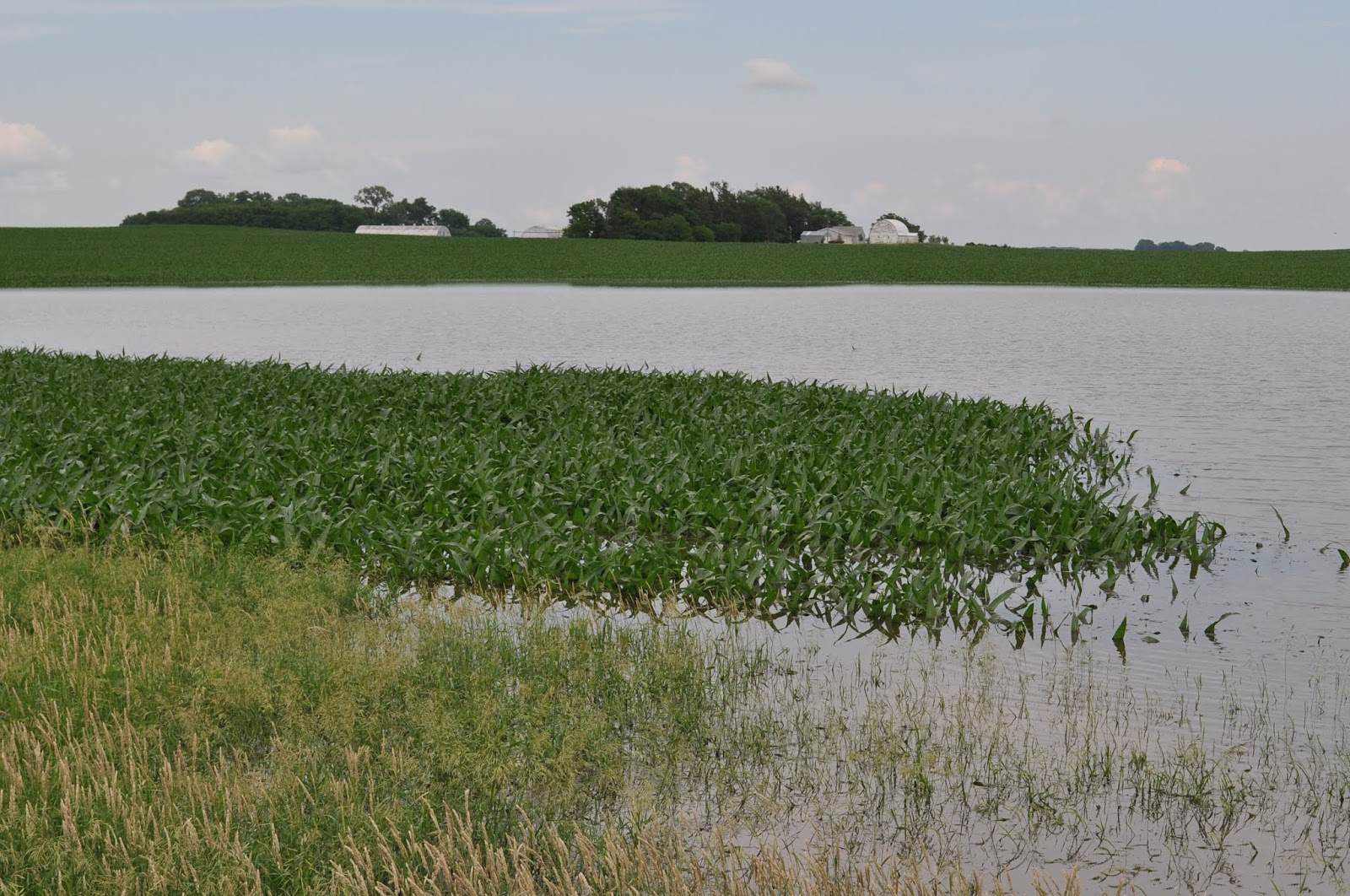
Five consecutive days of heavy rain and thunderstorms have caused flooding, landslides, and agricultural damage across Crete, Greece, with potato and vegetable crops among those affected.
The Lasithi Plateau, one of the island's farming areas, recorded some of the highest rainfall totals. Around 440 millimetres of rain fell in two days, while the four-day average reached about 470 millimetres. Some areas reportedly received up to 640 millimetres. Annual rainfall on the plateau normally ranges between 700 and 900 millimetres.
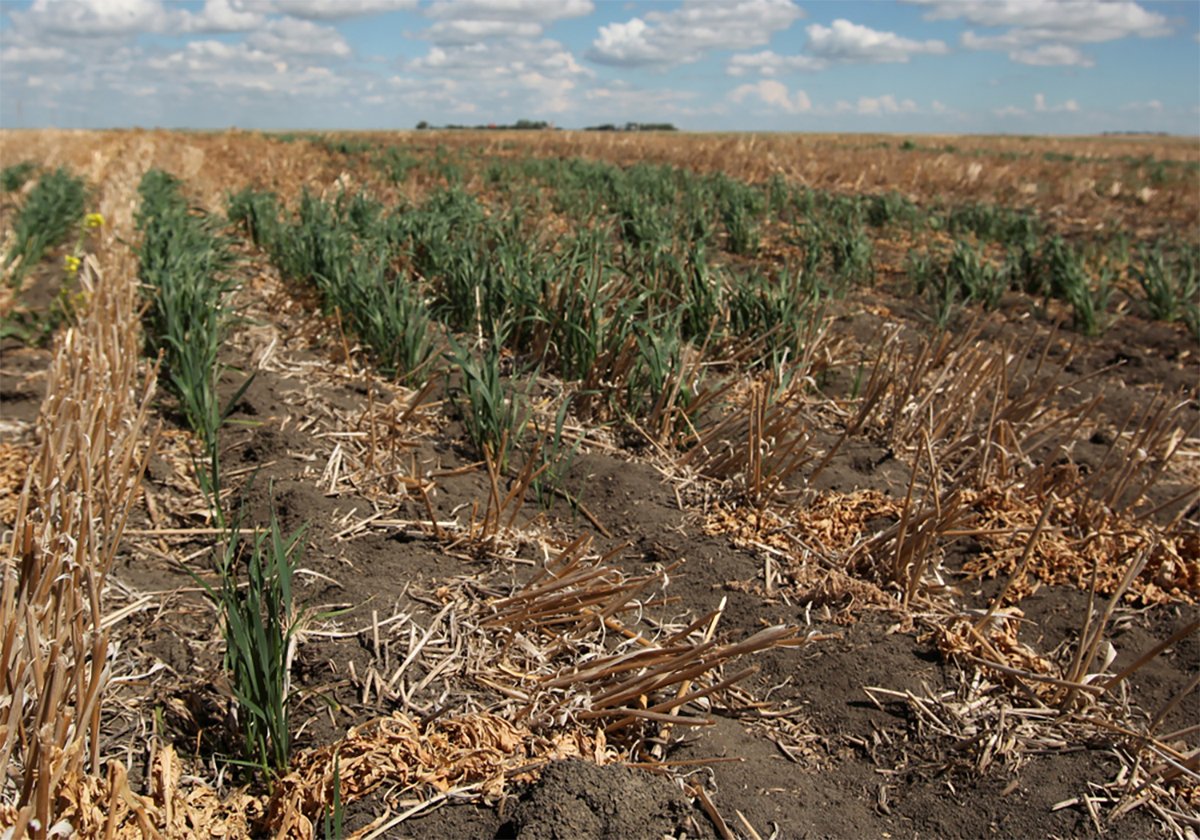
More than 80 per cent of the Lasithi Plateau potato crop has been affected. Local figures cited by Cretalive indicate that around 3,000 tons of potatoes and vegetables may have been destroyed, with roughly 85 per cent of the area's crops located within the affected plain. Final losses are still being assessed.
Flooding and landslides also damaged nearly half of the agricultural road network in affected areas. In Heraklion, damage was reported to rural roads, boreholes, and irrigation systems, particularly in mountain settlements. In Platanias, western Crete, roads, water networks, chestnut orchards, and livestock facilities were affected.
The Aposelemis reservoir received more than 3.4 million cubic metres of additional water in four days, with reserves increasing from around 9.26 million cubic metres on September 30 to more than 12.7 million cubic metres on October 4.
Greece has activated the EU's Copernicus Emergency Management Service to map flooded areas and support damage assessments. Government officials are also visiting Mylopotamos, Ierapetra, and the Lasithi Plateau as assessments continue.
Emergency measures announced include tax suspensions, auction stays, and payments of €600 (US$704) for immediate needs. Local officials have also raised concerns that delays to flood prevention projects in several affected areas increased their exposure to the rainfall event.
Source - https://www.freshplaza.com