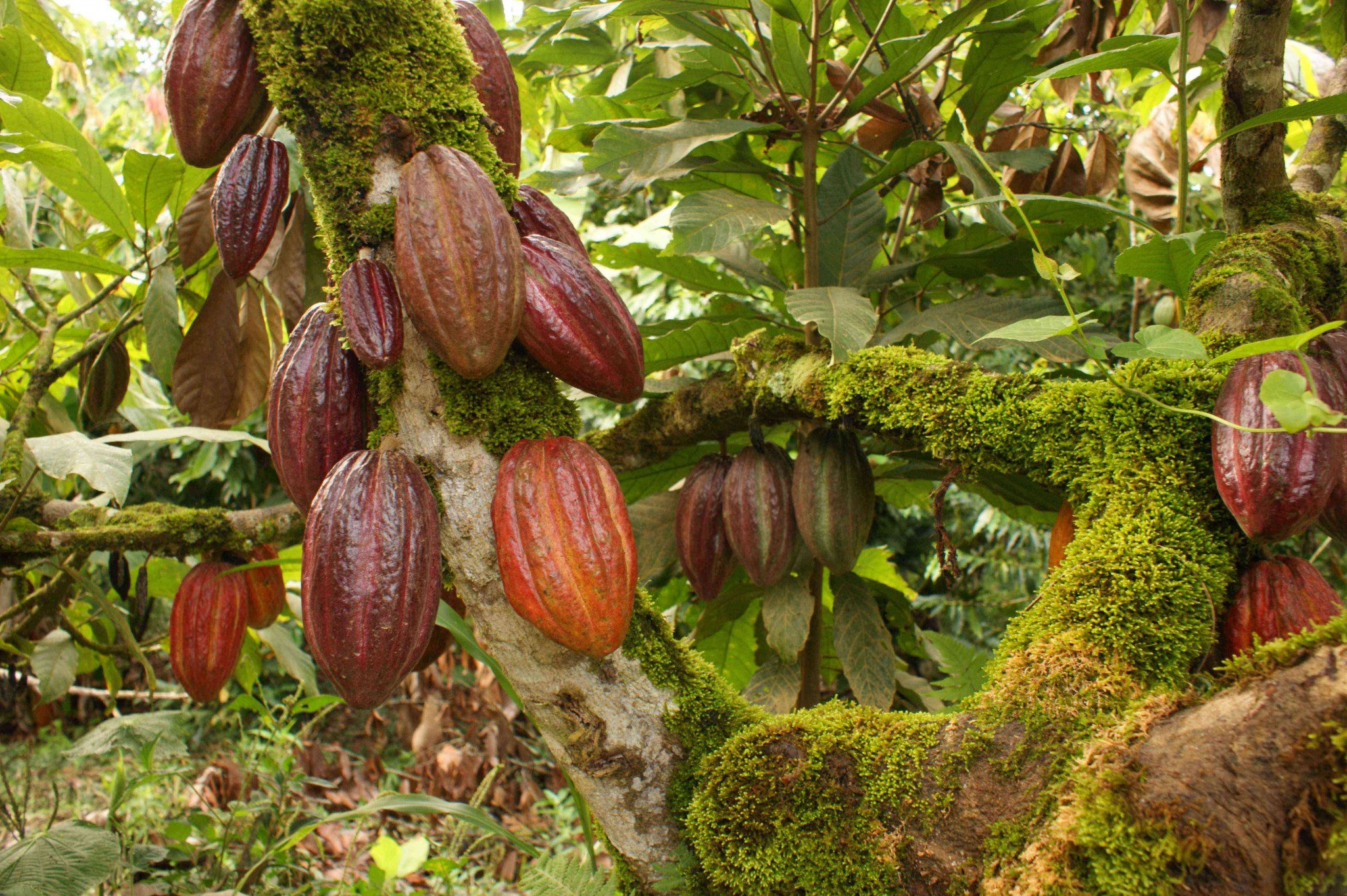
Flowers bloom on cocoa trees ahead of Ivory Coast's mid-crop season

12.01.2026 398 views

Mainly above-average rains last week in most of Ivory Coast’s main cocoa regions augur well for the development of the next April-to-September mid-crop, farmers said on Monday.

The world's top cocoa producer is in its dry season, which runs from mid-November to March, when downpours are scarce. But farmers said there had been above-average rains in most of the main growing areas and flowers were beginning to bloom on the trees.

Farmers said they were focused on the April-to-September mid-crop's development because most of the October-to-March main crop would be harvested by late January.

The weather was good for the development of the mid-crop, they said, adding that the main crop could finish with many beans as there were still enough pods on trees that could be harvested until late March.

"The mid-crop is off to a good start. The trees have been well watered and the flowers are beginning to bloom,” said Joel Atta, who farms near the central region of Bongouanou, where 7 millimetres (mm) of rain fell last week, 5.5 mm above the five-year average.

Similar comments were reported in the west-central region of Daloa and in the central region of Yamoussoukro, where rains were above average.

In the western region of Soubre and in the southern regions of Agboville and Divo, where rains were below average last week and in the eastern region of Abengourou, where rains were above average, farmers said a good soil moisture content was helping trees after weeks of abundant rains.

Farmers in those regions said harvesting had started to slow but they expected sufficient volumes of beans to leave the bush until March.

"The weather is favourable for the development of the mid-crop and also for the end of the main crop season," said Salame Kone, who farms near Soubre, where 1.3 mm of rain fell last week, 1.9 mm below the five-year average.

Weekly average temperatures across Ivory Coast last week ranged from 27.3 to 31 degrees Celsius (81.14 to 87.8 degrees Fahrenheit).


Source - https://www.reuters.com

23.08.2026

USA - Pennsylvania Opens $10M Aid Program for Freeze-Hit Growers

Pennsylvania will open a $10 million disaster-relief program Aug. 24 for fruit growers facing an estimated $150 million to $200 million in losses from a spring freeze, Gov. Josh Shapiro reported Thursday during a visit to an Adams County orchard.

23.08.2026

A year of change in Polish agriculture

Minister Krajewski highlights support for farmers and stronger agricultural resilience.

23.08.2026

Nepal - Hunting permits issued to protect crops from wildlife in Arghakhanchi

Amid growing damage to crops and increasing human-wildlife conflict, a system allowing the legal hunting of certain wild animals has been introduced in Arghakhanchi.

23.08.2026

Spain - Barrachina highlights 35.3 million in agricultural insurance for 21,000 professionals in the field

The Generalitat allocates 35.3 million to agricultural insurance in the Valencian Community to support 21,000 farmers and ranchers against increasing risks.

23.08.2026

India - Sodiem locals seek FIR against WRD over paddy crop damage

The Siolim-Sodiem gram sabha on Sunday resolved to initiate criminal action against the Water Resources Department (WRD) over damage to ready-to-harvest paddy crops allegedly caused by leakage and seepage from the Tillari canal.

23.08.2026

India - Bhilwara farmers face crop loss as yellow mosaic virus hits pulses

Farmers in Bhilwara district are in distress due to an outbreak of yellow mosaic, commonly known as yellow disease, affecting their pulse crops. 

20.08.2026

Philippines - Farm damage from ‘habagat’ and serial storms hits ₱1.7B

The agricultural damage caused by the recent typhoons has soared to more than P1.7 billion, affecting over 50,000 farmers and fisherfolk, according to the Department of Agriculture (DA).

20.08.2026

India - Tech Guard For Farms: MIT Muzaffarpur Students Develop AI Device To Protect Crops From Nilgai

For years, farmers in Bihar have relied on scarecrows, fencing and constant vigilance to protect their crops from nilgai, wild animals and birds. But these measures often lose their effectiveness as animals gradually learn to ignore them.