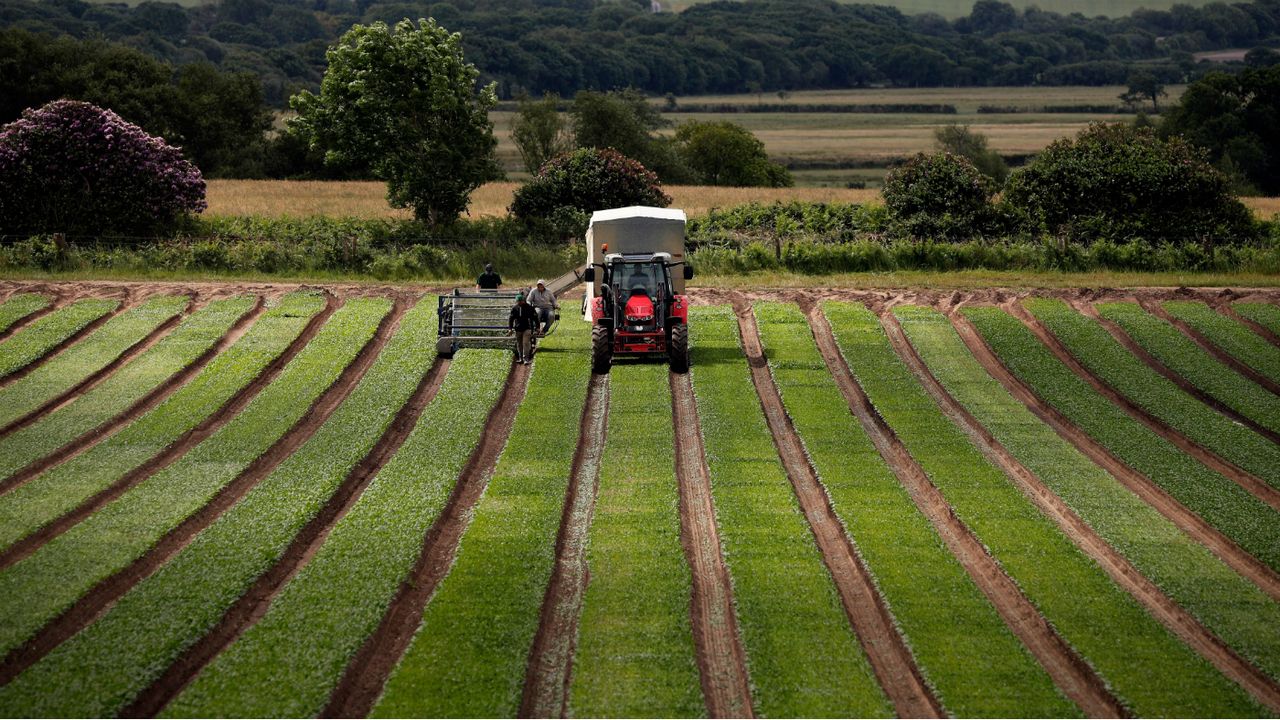
Since the start of November, the Haap vegetable farm has been busy harvesting Brussels sprouts and kale. "Due to the drought, the yields of Brussels sprouts were lower. Overall, plants were significantly smaller, so that fewer florets per stalk have set," says Ronja Haap, managing director of the family business based in Kernen.
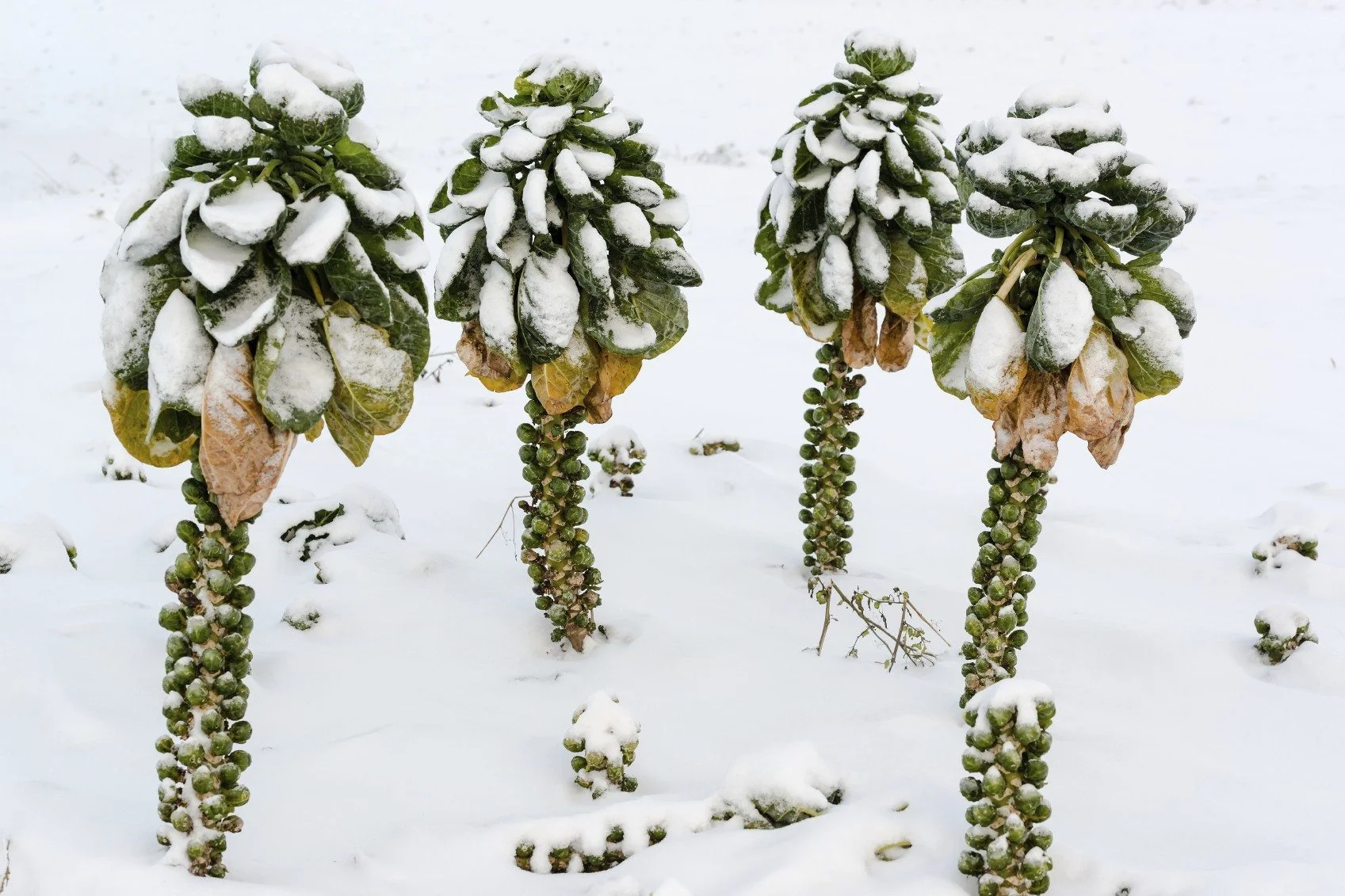
In December, there was a cold snap in the Stuttgart area with night frosts of up to -16 degrees. Haap: "Unfortunately, a large part of our Brussels sprouts froze during this, which is why we had to end the season as early as January, much earlier than usual." The cold snap, on the other hand, did less damage to the kale. Regional produce could probably still be marketed until the end of February.
Tough competition with imported Brussels sprouts
The Haap family markets its crops year-round in its own farm store and through stand sales at the local wholesale market in Stuttgart. The demand for regional winter vegetables is definitely there, she says, with even the types of cabbage unknown in southern Germany, rose and kale, finding good favor with consumers. "Competition with imported goods is hardly noticeable in the case of kale, which is partly due to the fact that we are able to harvest our produce fresh every day and this freshness and quality feature is of course visible. In the case of Brussels sprouts, however, we saw Dutch imported goods in the market, which could be offered at lower prices. Belgian Brussels sprouts, on the other hand, sometimes exceeded the German Brussels sprout price."
Despite the increase in demand in the cabbage vegetable category, Ms Haap said strong differences can be observed between the different types of cabbage. "The demand for Brussels sprouts has increased slightly in the southern German region in recent years, which is probably also related to the decline in cultivation in Germany. This is due to various problems in cultivation, such as pest pressure, high production costs and the high effort involved in Brussels sprout production. It must not be forgotten that this is a slow-growing crop that needs to be nurtured and cared for for more than half a year. For many farms, that's hardly profitable."
Southern German kale is trending
In the case of kale, a steady increase in demand can be observed as the vegetable increasingly establishes itself as a versatile superfood. In addition, Gemüsehof Haap has been involved in growing kalettes (also known as flower sprouts or cabbage florets) for eight years now. "Back then, we were among the first farms in Germany to plant this crop. It all started with my bachelor's thesis in 2015, in which I investigated, optimized and established the cultivation of this crop on the farm's own land. Since then, kale has been part of our vegetable assortment and it's hard to imagine life without it," says Ms Haap.
Rethinking imperative
Despite the pleasing growth in winter vegetables, the vegetable producer is looking to the future with some concern. This is because the traditional company is currently facing rising operating costs as well, coupled with staff shortages and the consequences of climate change. "We cannot pass on the current additional costs one-to-one to the trade and ultimately to the consumer, and in doing so we are feeling the increasing price pressure from imported goods, as foreign producers are often able to produce more cost-effectively. Complicating matters further is the increasing bureaucratic burden. These increased challenges overshadow the positive progress made through research and development, for example in the areas of technology and seeds. Unless there is a rethink from politicians and consumers in the future, I don't rate the prospects for regional vegetable production as particularly rosy," Ms Haap concludes.
Source - https://www.freshplaza.com