Researchers at the Council for Scientific and Industrial Research Crops Research Institute (CSIR-CRI) are piloting a system that traps airborne fungal spores and feeds the data into an artificial intelligence application to predict crop disease outbreaks before they take hold on farms, in what scientists describe as a fundamental shift from reactive to preventive plant disease management in Ghana.
The technology is being developed under the SporeSmart project, a pioneering collaboration between the United Kingdom, Brazil and Ghana aimed at tackling Fusarium-related diseases that threaten staple crops worldwide. The project is supported by the Climate Smart Agriculture Partnership and funded by the United Kingdom’s Foreign, Commonwealth and Development Office (FCDO), delivered by Innovate UK.
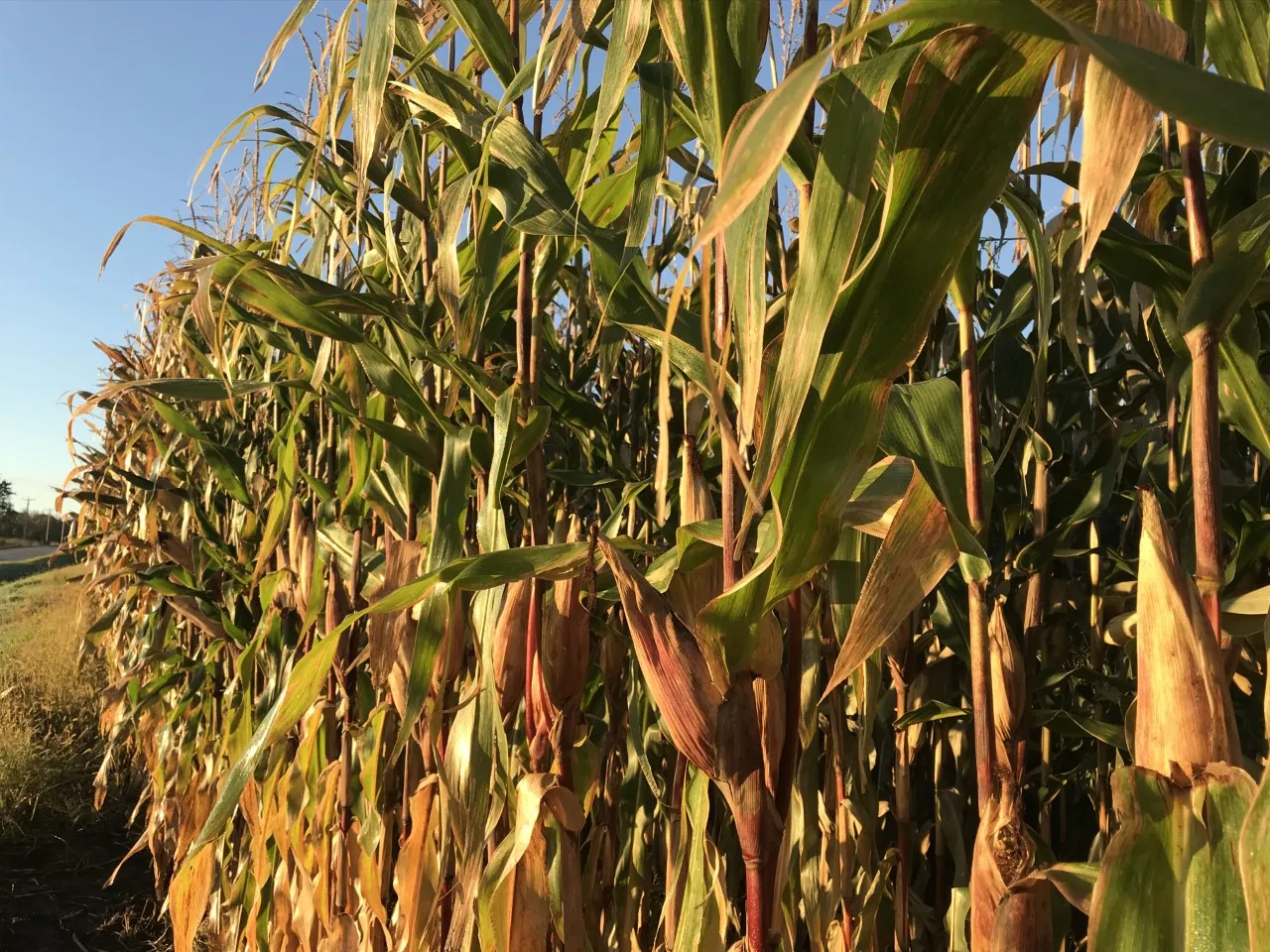
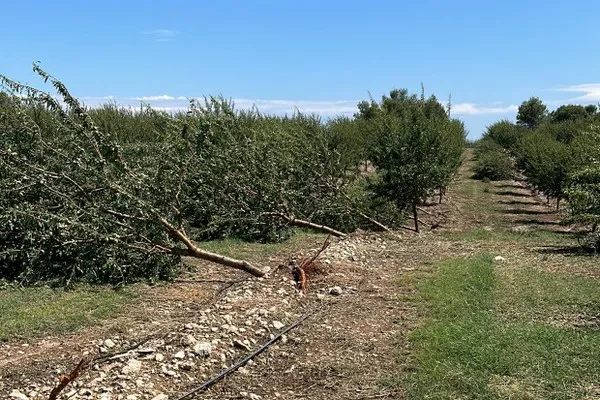
The focus on Fusarium reflects the scale of the threat. The soil-borne fungal genus attacks Ghana’s most critical food crops , maize, rice and tomato, causing yield losses, threatening food safety and cutting farmer incomes. Unlike many fungal pathogens visible only after significant damage has occurred, Fusarium spores travel through the air before infection is established, creating an early detection window that the SporeSmart collector is designed to exploit.
Dr Kwesi Atta Aidoo Snr, Research Scientist at CSIR-CRI and Country Lead for the project, explained the device’s operation at a stakeholder demonstration held at Fumesua in the Ashanti Region. “When samples are sent to the laboratory, we are able to determine the type of disease likely to develop on the field,” he said, adding that timely identification prevents severe crop damage, reduces excessive pesticide use, lowers production costs and supports more environmentally responsible farming.
Between September 2025 and February 2026, five SporeSmart collectors were deployed in the field, generating over 2,000 spore images including samples of Fusarium species and other plant pathogens. A dedicated artificial intelligence application for Fusarium spore detection was developed by Russell Bio Solutions Ltd using over 900 annotated images from Ghana and is accessible via the project’s digital platform. A biopesticide containing Bacillus amyloliquefaciens showed varied but promising performance in field trials managing Fusarium wilt in tomato, ear rot in maize and sheath rot in rice, and requires further study before commercial recommendation.
Dr Aidoo revealed that the research team is currently refining the system and preparing to pilot it directly on farmers’ fields. He added that once validated, commercial farmers would be able to purchase and install the devices independently, and suggested that government could invest in the technology and distribute it to agricultural extension officers to support smallholder farmers.
Dr Mrs Patricia Acheampong, Deputy Director of CSIR-CRI, said the project aligns with the Institute’s commitment to biologically based and environmentally sound crop protection solutions. Luke Murell, Project Lead at MMVSense in the United Kingdom, expressed confidence in the technology’s scalability, noting that with adequate financing and trained extension officers, early disease detection could be transformed across farming communities.
The project integrates artificial intelligence-driven forecasting with sustainable biocontrol measures to build a climate-smart and scalable solution to Fusarium management, one that researchers believe has the potential to reshape crop protection strategy in Ghana and across the continent.
Source - https://www.newsghana.com.gh