The global loss of pollinators is already causing about 500,000 early deaths a year by reducing the supply of healthy foods, a study has estimated.
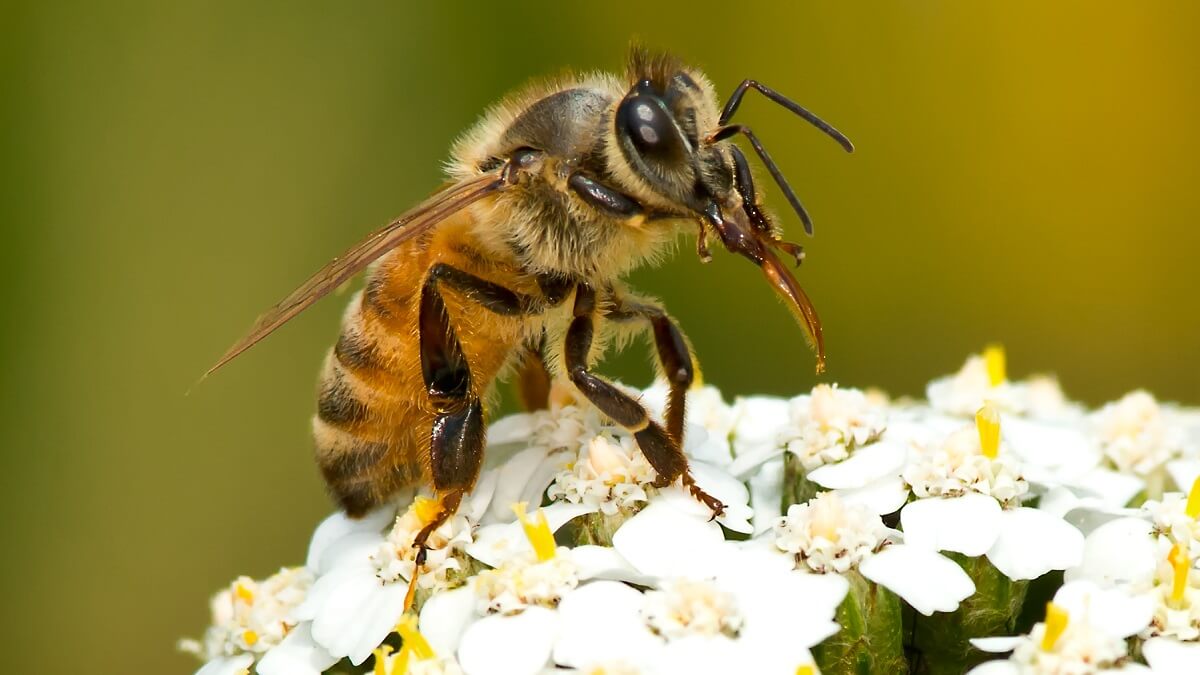
Three-quarters of crops require pollination but the populations of many insects are in sharp decline. The inadequate pollination that results has caused a 3%-5% loss of fruit, vegetable and nut production, the research found. The lower consumption of these foods means about 1% of all deaths can now be attributed to pollinator loss, the scientists said.
The researchers considered deaths from heart disease, stroke, diabetes, and some cancers, all of which can be reduced with healthier diets. The study is the first to quantify the human health toll of insufficient wild pollinators.
The study was based on data from hundreds of farms across the world, information on yields and diet-related health risks and a computer model that tracks the global trade in food.
“A critical missing piece in the biodiversity discussion has been a lack of direct linkages to human health,” said Dr Samuel Myers, at Harvard University’s TH Chan School of Public Health and senior author of the study. “This research establishes that loss of pollinators is already impacting health on a scale with other global health risk factors, such as prostate cancer or substance use disorders.”
“But there is a solution out there in pollinator-friendly practices,” Myers said. These include increasing flower abundance on farms, cutting pesticide use, especially neonicotinoids, and preserving or restoring nearby natural habitats. “When these have been studied, they pay for themselves economically through increased production.” Nonetheless, the researchers said “immense challenges remain” in restoring pollinator populations globally.
The study, published in the journal Environmental Health Perspectives, assessed dozens of pollinator-dependent crops using data from the global farm study. It found that insufficient pollination was responsible for about a quarter of the difference between high and low yields.
The farm data was used to determine the drop in yield due to too few pollinators. “We estimated that the world is currently losing 4.7% of total production of fruit, 3.2% of vegetables, and 4.7% nuts,” the researchers said.
They then used an economic model to track how these losses would affect the diets of people across the globe. Finally, they used well-known data on how reductions of fruit, vegetables, legumes and nuts affect health to estimate the number of early deaths.
The researchers found the biggest impact was in middle-income countries, like China, India, Russia and Indonesia, where heart disease, strokes and cancers were already prevalent due to poor diets, smoking, and low levels of exercise. In rich nations, more people could still afford to eat healthily even if the price of the foods went up due to lower production, although the poorer people in those countries would still suffer.
Previous work by the team showed that most of the effects on health in a country were due to loss of pollinators in that country, rather than in other countries from which food was imported. The biggest drops in yield caused by insufficient wild pollinators were in low income countries. Food production there would benefit most from better wild pollination, but people’s health suffered less due to lower existing rates of heart disease and stroke.
The estimated number of deaths is conservative, the scientists said, as the study did not include the impact of the reduction of micronutrients such as vitamin A and folate in diets, or the health impact of lost income for farmers.
Prof David Goulson, at the University of Sussex, in the UK, who was not part of the study team, said: “Globally, we consume too much of the wind pollinated crops – wheat, rice, corn, barley – which are rich in carbs but relatively low in nutrients, leading to an epidemic of obesity and diabetes around the world. We do not eat enough fruit and veg, most of which requires insects for pollination – think apples, cherries, strawberries, squash, beans, tomatoes etc.”
Goulson said that declines in other insects, such as predators of crop pests, would also cut yields. Furthermore, poor health, lost work and disability due to poorer diets would also have large impacts on health services and economies, adding: “The overall impacts of declining biodiversity on crop production are likely to be far larger than measured in this study.
“The most concerning aspect of this study is that, since insect populations are continuing to decline, this lost crop yield is going to get worse into the future, while the human population is going to continue growing to at least 10 billion,” Goulson said. “The problems described here are likely to get much worse as the 21st century progresses.”
Myers said: “We’re transforming every one of the natural systems on the planet and we keep experiencing these surprises. For example, our earlier work showed how rising carbon dioxide levels are making our food less nutritious. So this pollinator study is important, not only for its own sake, but as an indication that there’s risk in completely transforming our natural life support systems.”
Source - https://www.theguardian.com