In Greece, people are counting the cost of the devastating floods that hit the centre of the country after Storm Daniel in early September.
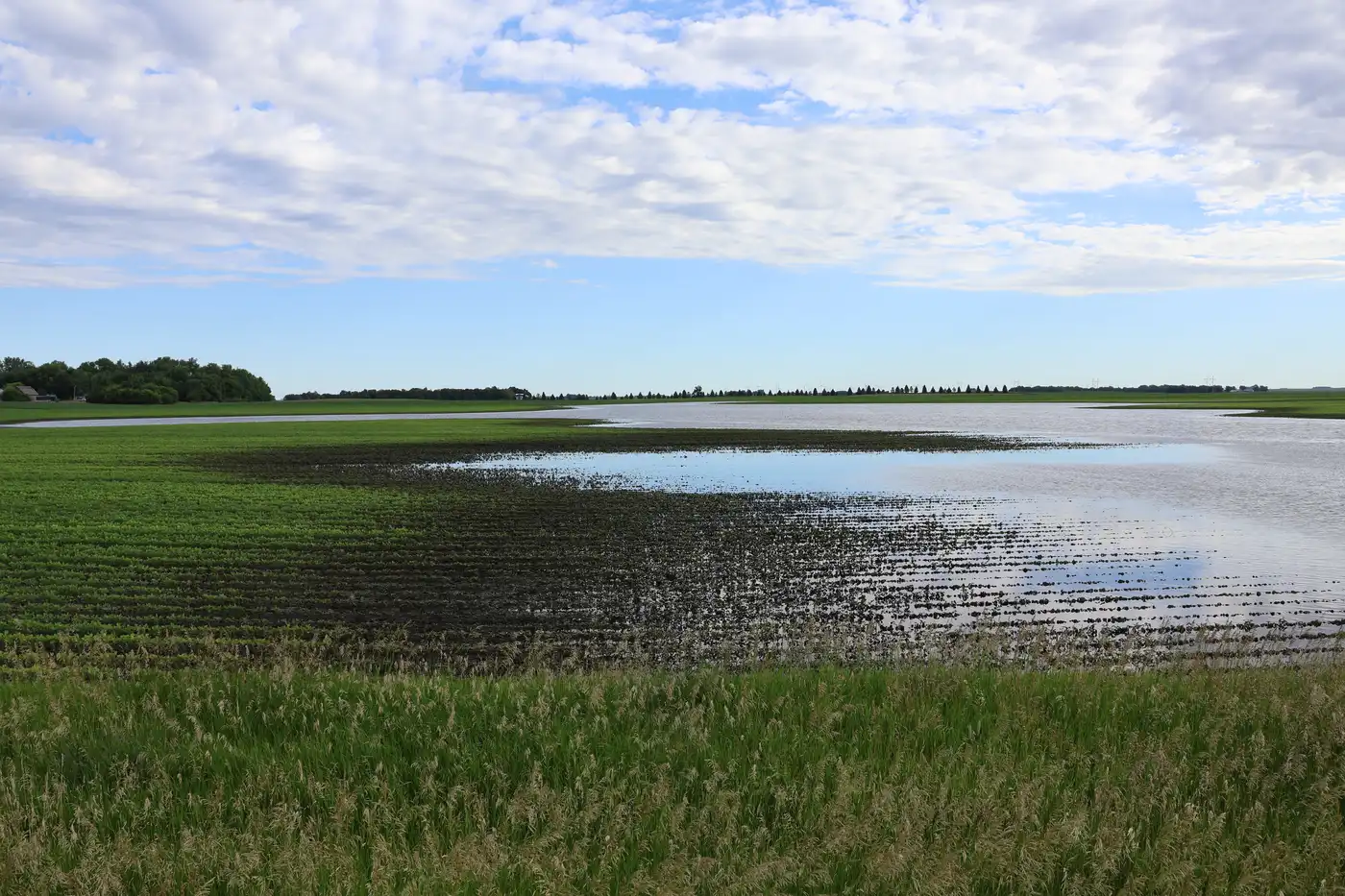
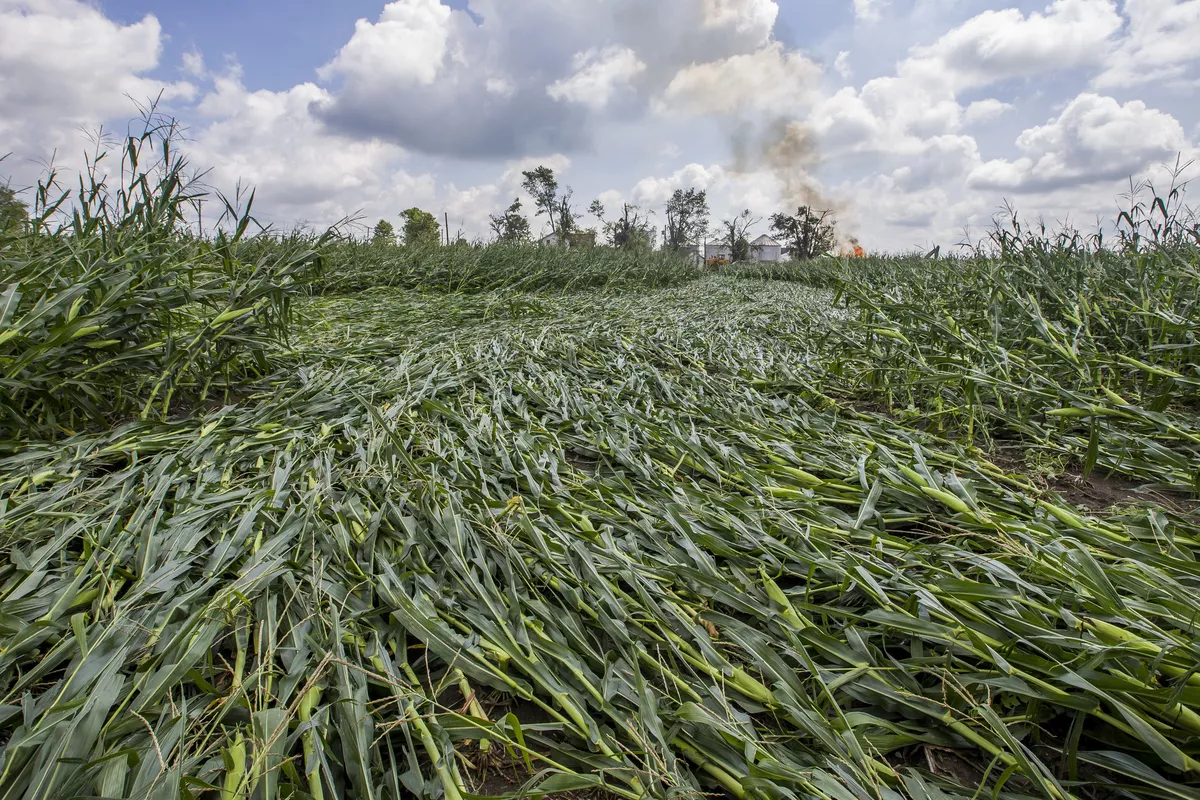
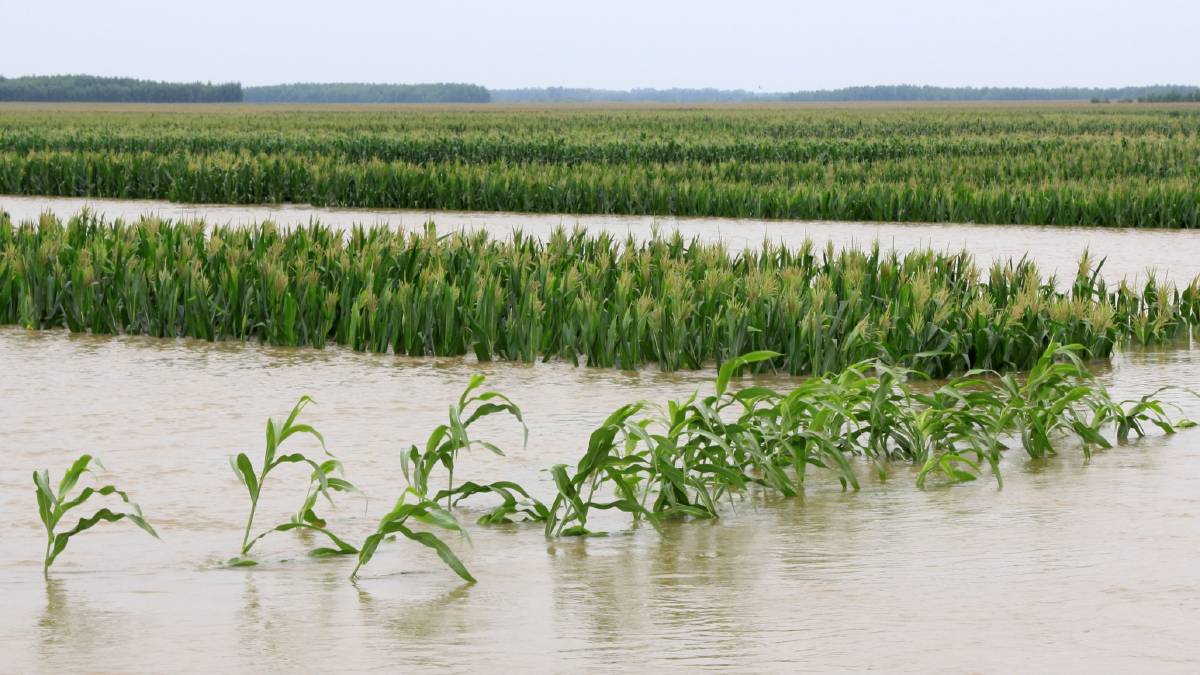
Fruit trees, corn and around a fifth of Greece's cotton crop have been destroyed and over 200,000 animals and poultry killed.
Estimates by academics suggest the short-term effects alone could cost the Greek economy up to 5 billion euros ($5.3bn; £4.3bn).
One of the worst hit areas is the Thessaly plain, in central Greece.
Thessaly is one of the country's main agricultural regions, and there are fears about the impact on food production.
Sitting on a plastic chair outside her home, Anthoula Pappa stared blankly at the piles of her rotting and broken possessions: water-soaked mattresses and blankets, clothes, a television set, all covered in thick brown mud.
Her house, like many others in the farming village of Vlochos, was almost totally submerged in the floods.
"Nothing was saved, the water was up to the roof," the 54-year-old said.
"We ran to save ourselves and watched the water rising step by step until it reached the balcony railings and I said, 'That's it, the house is destroyed.'
Anthoula and her family are now living in tents.
Her daughter, Maria, said that the conditions are terrible. She told the BBC that they had received some food and water from volunteers, but no help from the authorities. "Nothing from the government. Nothing from the mayor. Nothing. Nothing at all."
She pointed up to the roof of the house next door. The rotting carcass of a sheep was wedged against the chimney, washed up there by the floods.
"You see that sheep over there?" she said. "It's still there. Twenty days now. We will get sick."
"This is the fault of our government."
Greece's Prime Minister, Kyriakos Mitsotakis, had promised speedy help for the victims of the flooding.
Speaking immediately after the disaster, he said Greece had "the financial capabilities and the mechanism for quick aid," so that people would be able to "restart their lives, repair their homes… and operate their businesses again."
But many people here say it's simply not enough.
In the nearby village of Lefki, Thanassis Thodos showed us what was left of his walnut orchard. He used to have a thousand trees. Half of them are now destroyed.
"The damage is enormous because the trees have been infected by bacteria… You can see this tree, it is green, but the leaves are starting to turn yellow, which means it may be diseased."
Thanassis said it's not just about the damage to the trees. "Our equipment has also been damaged: electric motors, water pipes broken or lost."
"The question is how much the state will be able to help us with the compensation."
He looked down at a decaying, fallen tree.
"All I can think about is my toil, my sweat and my suffering for the last ten years. That's all I can see right now. I tried to do something good, but my dreams have been shattered."
Thessaly, a richly fertile area, is often referred to as Greece's breadbasket. Spiros Kintzios, the rector of Greece's Agricultural University, said it represents about 20% of the country's agricultural land, and is extremely important for the Greek cotton crop, a major export.
He told the BBC that while it is possible to replant crops like cereals and cotton quite quickly within the next few months, restoring orchards and herds of sheep and goats - which produce the milk for traditional Greek products like yoghurt and feta cheese - will take longer.
"We now have damage to housing infrastructure, and also municipality services, roads, schools, primary health units, and so on. If we don't manage to restore them as soon as possible, then we have the problem that the people will have to go somewhere else to live."
"The worst-case scenario is that we have a mass population movement from the land to the big cities," Professor Kintzios said. "I reckon that if the worst-case scenario prevails, then the cost, the direct immediate cost for the Greek economy, would be something in the neighbourhood of 4 to 5 billion euros. And the long-term cost would be triple that."
At a cotton factory in Palamas village, we met Petropoulos Vangelis, standing amidst trucks full of rotting, stinking cotton. "We will not have a crop this year and those who managed to save their fields will have reduced production," he told us.
Many people in this region said they were worried about rising prices as a result of the damage to crops and infrastructure.
Rizos Maroudas, head of the union of the agricultural associations in Larissa, said that even before the storm, prices were high. "I am afraid that the floods will be an occasion for some to profit at the expense of the consumers, this is why the government authorities must take action," he said.
In the village of Koskinas, Themis Apostolakis and his father attempted to kickstart their tractor. They told the BBC that they've lost this year's cotton and corn crops. For Themis, the future looks grim.
"Nothing will be the same. Our lives have changed dramatically. And the only thing that we could save is ourselves. I am happy for my family because we are alive. We lost our dog. We are devastated. But I have my father, my mother."
When we asked him if he had a future in farming, he said he couldn't tell.
"Everything will be destroyed. The water is now polluted by the oil and other chemicals.
"I don't know what we can rebuild again. I don't know. "
Source - https://www.bbc.com