Greece - Spread of greening disease in Brazil pushes orange prices higher

02.11.2023 720 views

The extreme weather conditions during the summer did not have a significant impact on the citrus production in Greece, says Nick Nafpliotis, company director of fresh produce exporter Greek & Fresh: “Greece did experience extremely hot weathering last July. However, the citrus was fortunately not affected by this, nor from the frost. This means that in general, the quality of Greek oranges and Clementines is very good this season. Quantities are a bit lower than they were last season, as we’re seeing a drop of about ten per cent, which is only a minor difference”.

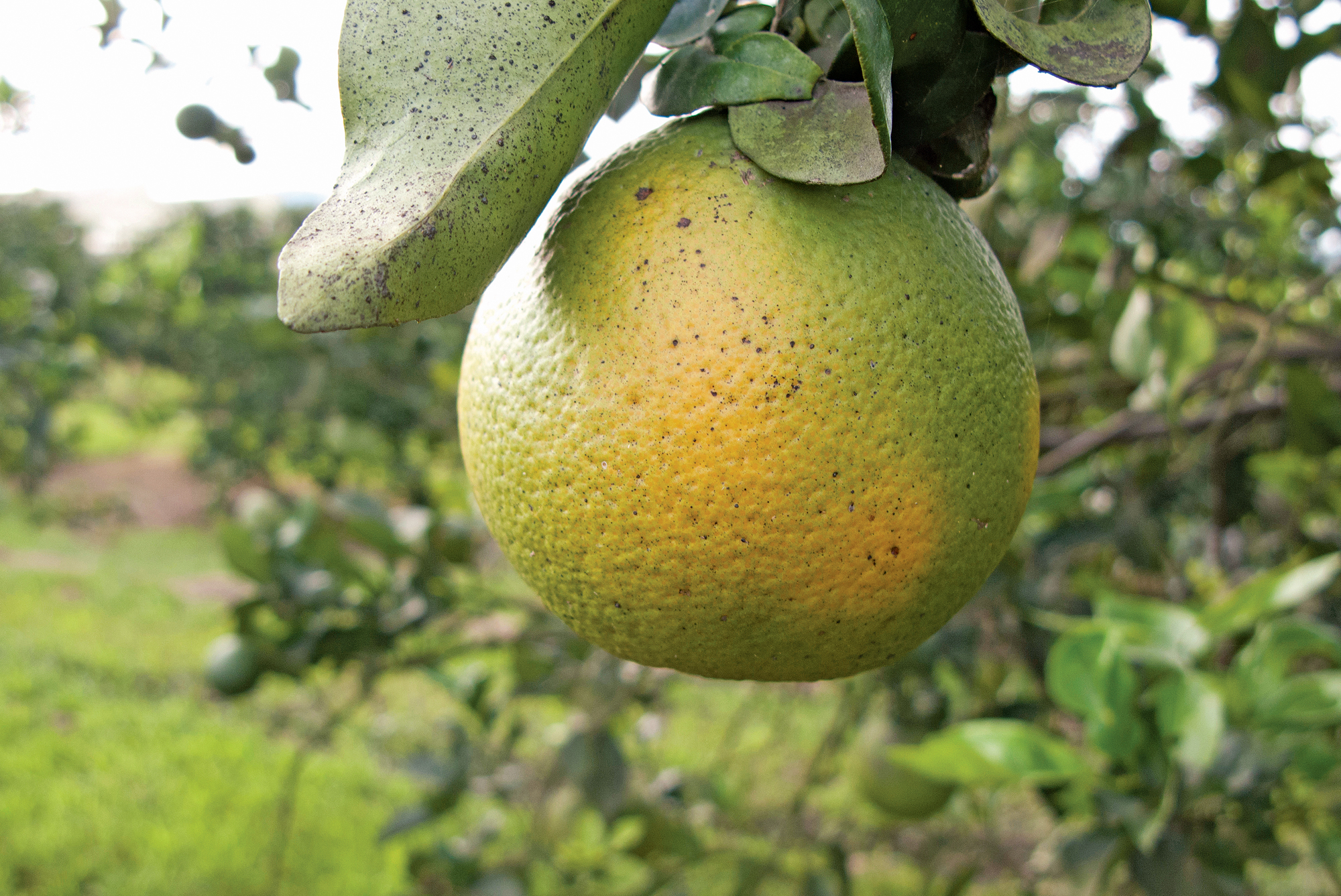
The situation halfway across the world is having a big impact on the orange season in Greece as well as in Europe, Nafpliotis explains. “According to the research group Fundecitrus, the rapid spread of the greening disease in Brazil, which seems to have infected about 38% of Brazil’s production area, can see their yields reduced by 60 per cent over the next five years. Furthermore, according to CitrusBR, which is a group representing Brazil’s major citrus producers, the orange juice stock of the Brazilian processors is currently at the lowest levels of the last twelve years, due to both weather and greening impacts.”

“As a result, we see that the prices of oranges for the industry has increased substantially so far, which will certainly have an effect on the table oranges as well. In Greece for example, the selling price of industrial oranges has more than doubled since last year. This means that we expect to see big increases in the orange prices, at least in the beginning of the season. For us, the major markets are Romania, Hungary, Czech and the Baltics. I expect that Greece will be able to maintain its EU market share and serve its usual customers without any problems,” Nafpliotis concludes.

Source - https://www.freshplaza.com

02.09.2026

Philippines - Bayambang declares state of calamity over P31-M agricultural losses

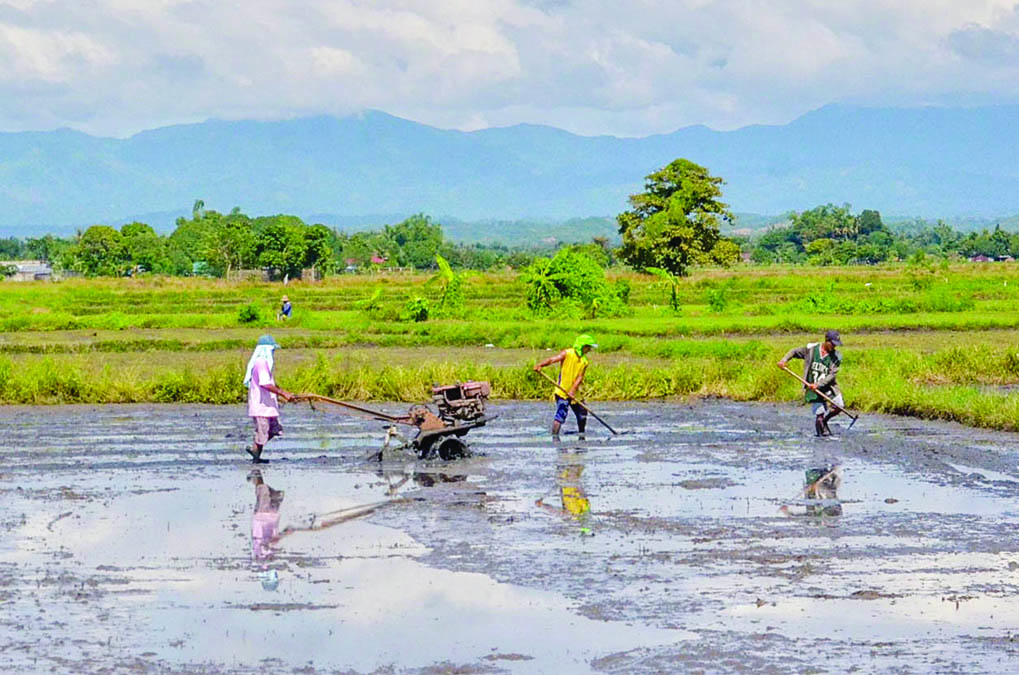
The municipal council of Bayambang has placed the town under a state of calamity after Tropical Storms “Luis” and “Maymay” and the enhanced southwest monsoon, or habagat, caused more than P31 million in agricultural losses.

02.09.2026

USA - Lynndyl farmers assess crop losses after 100 mph winds and hail

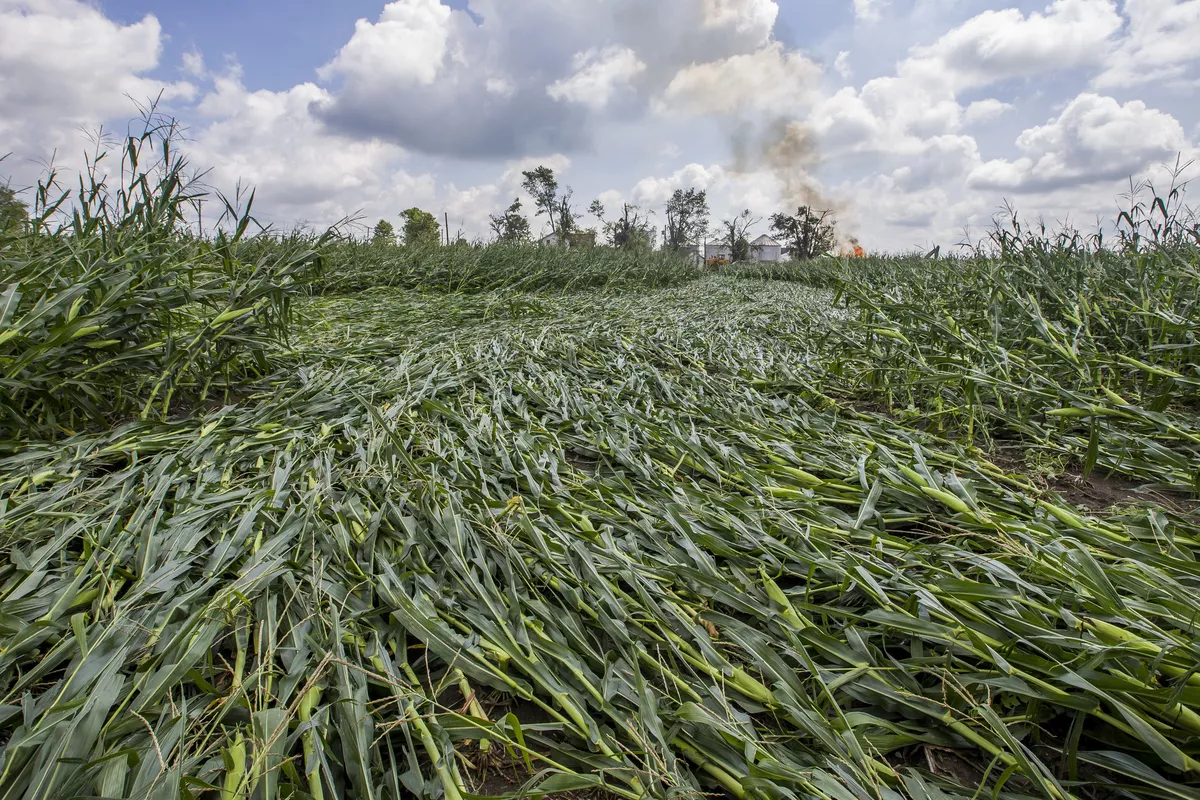
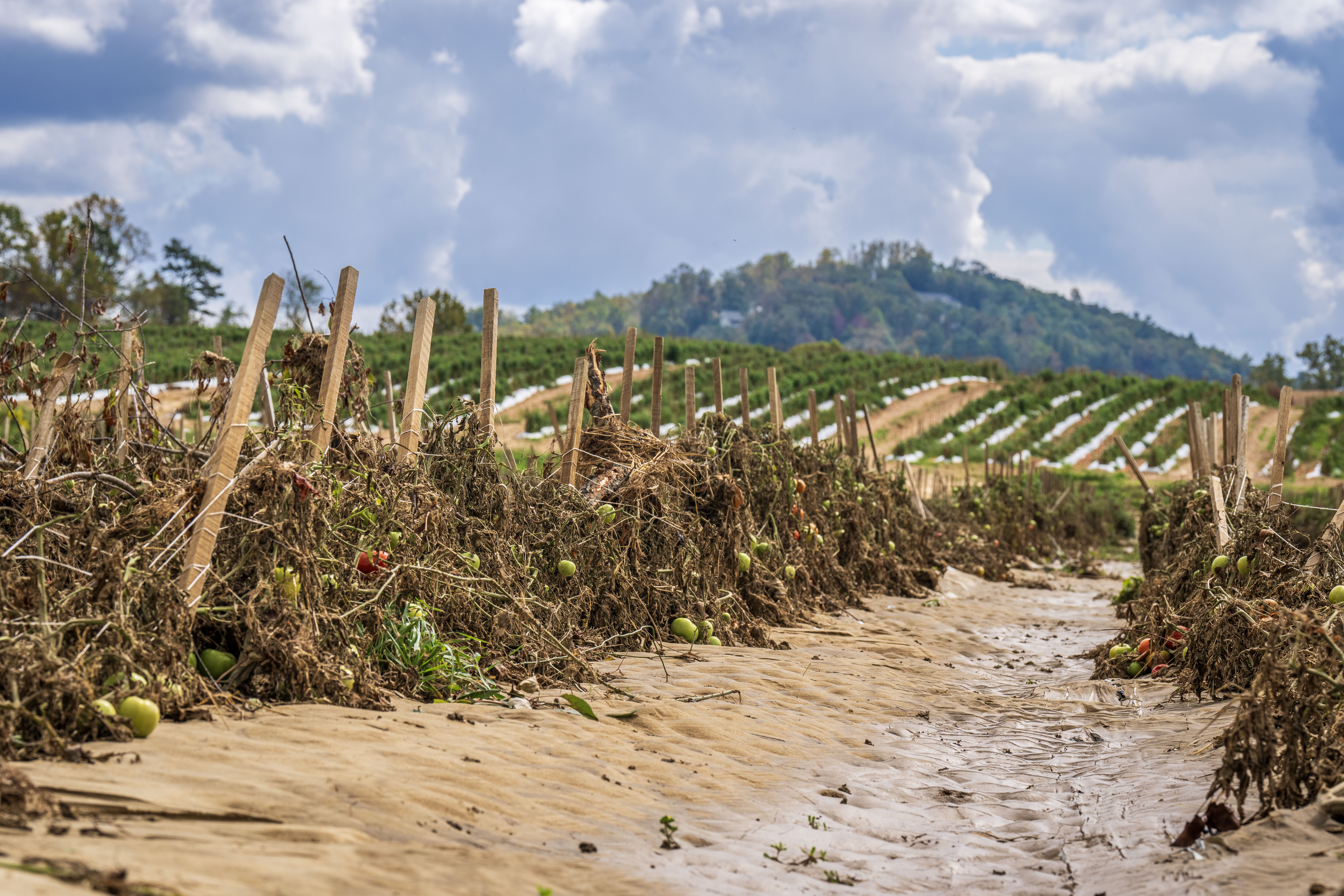
Farmers in and around Lynndyl are beginning to assess severe losses after a powerful weekend storm ripped through fields with destructive winds and hail just as some crops were nearing harvest.

02.09.2026

USA - New Insurance for Breeding Heifers

New LRP Coverage Aims to Reduce the Risk of Retaining Heifers for Breeding.

02.09.2026

Corn's $6 Surprise Could Change the Profit Math for U.S. Farmers

Corn may already be worth more than the board suggests as farm payments and incentives add about 52¢ per bushel to producer revenue.

02.09.2026

Philippines - Iloilo turns over P10M for farm, fishery insurance

The Iloilo provincial government has turned over P10 million to the state-owned Philippine Crop Insurance Corp. (PCIC) to expand insurance protection for farmers and fisherfolk vulnerable to losses from El Niño, La Niña, typhoons, pest infestations and other calamities.

02.09.2026

India - AP sees 1,263% rise in non-loanee crop insurance

The State witnessed a remarkable 1,263% jump in non-loanee farmer registrations, with their participation rising from 2 lakh in the previous Kharif season to 25.26 lakh farmers this year.

01.09.2026

South Africa - Grain SA calls for affordable crop insurance as dry weather threatens Swartland wheat

Severe rainfall shortages threatening the Swartland wheat crop have highlighted the need for government support to make crop insurance affordable for dryland producers.

01.09.2026

USA - Florida farms face nation’s highest disaster loss rate

Natural disasters destroy billions of dollars in U.S. agricultural production each year. From drought and wildfires in the West to hail in the Midwest and hurricanes in the Southeast, farms lose an average of $5.1 billion in crops and livestock annually, according to the Federal Emergency Management Agency.