In Greece, unusually wet weather caused by the Mediterranean Storm Daniel has dampened the expectations of olive and olive oil producers in the affected areas ahead of the upcoming olive harvest.
For three days, a wave of cataclysmic rain and squalls swept the country from the northwest to the southeast, eventually losing its edge in the Aegean Sea.
It is a huge catastrophe. Prices of olive oil are high, and we were expecting a robust olive harvest in our area this season. But the storm has left the local producers in despair.
- Alexis Katsanis, executive, Louvro
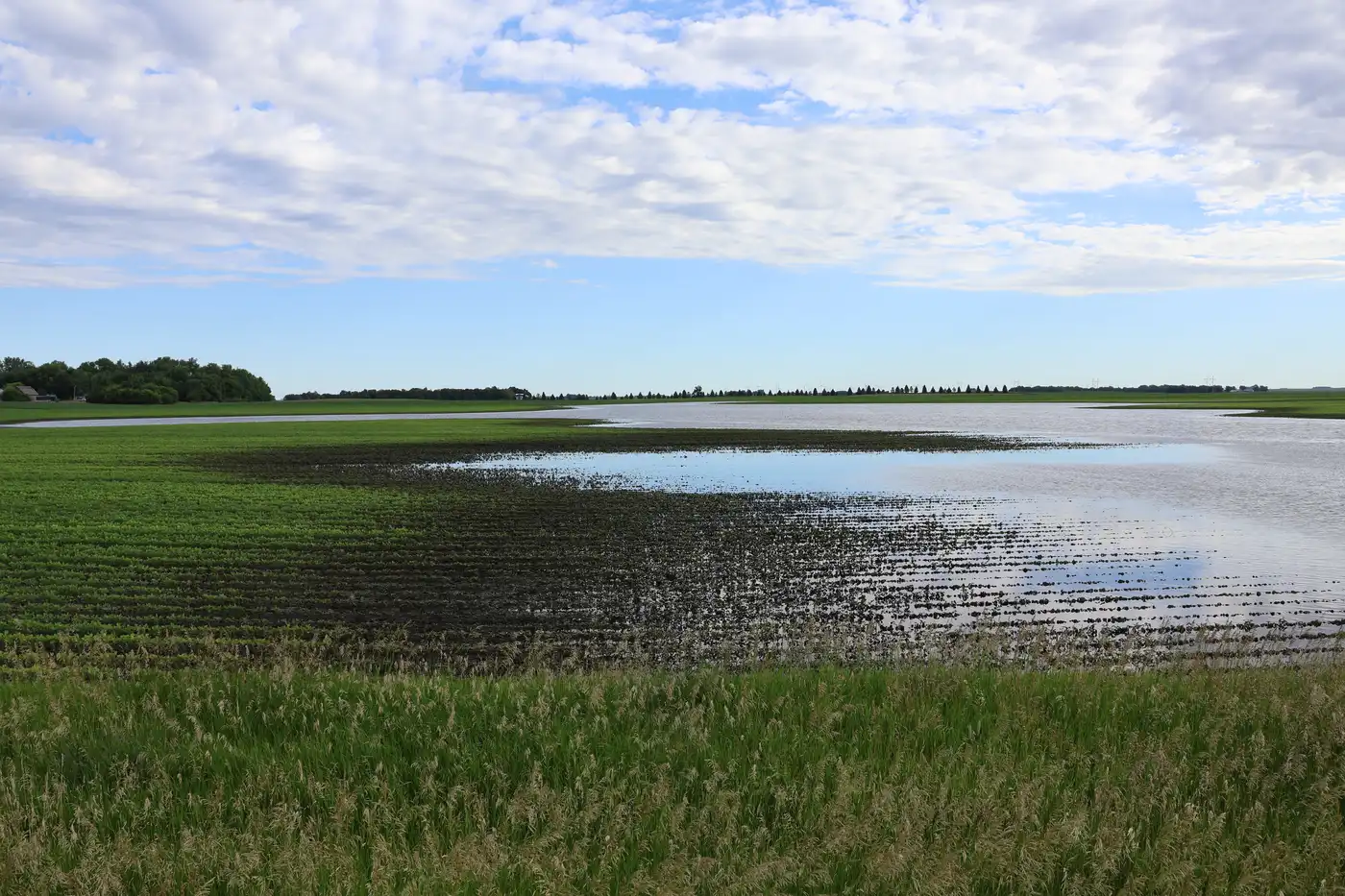
Large swathes of the Thessaly Plain in central Greece, the most extensive cultivated flatland in the country chiefly reserved for growing wheat and cotton, went underwater.
Several villages in the area were submerged, and Volos, a port city of 150,000 people, was flooded.
The death toll from the storm has risen to 16, with fears that the number will increase further as the waters recede in the coming days.
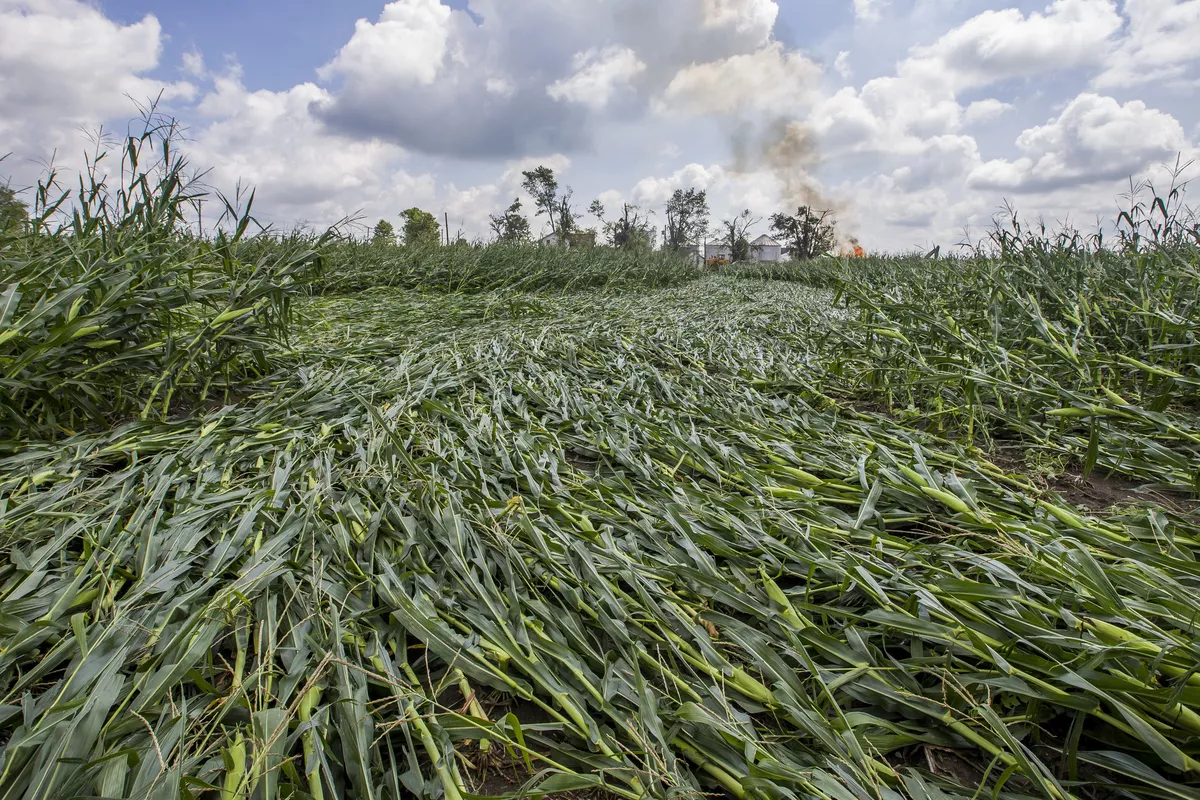
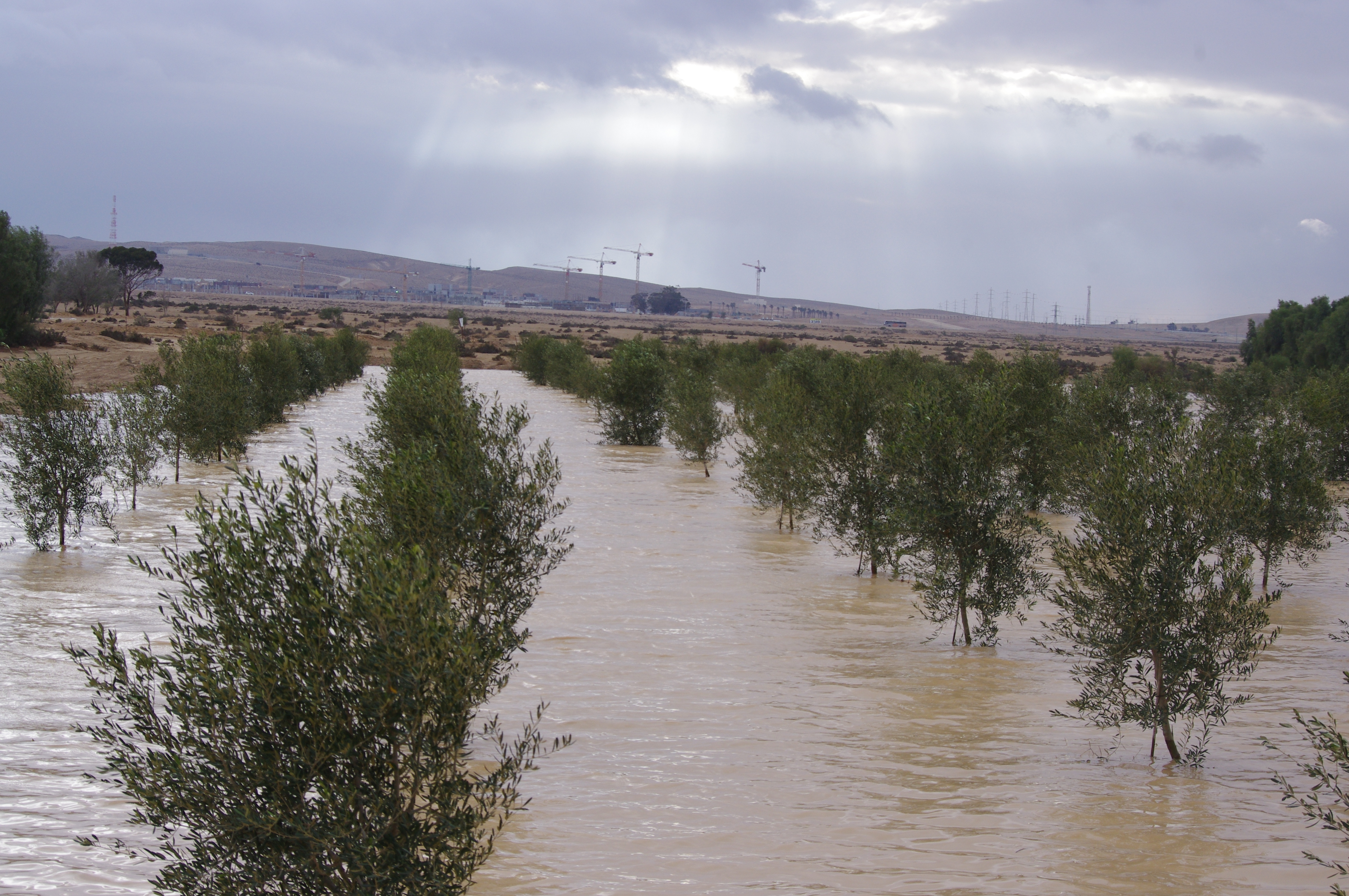
On its way, Daniel hammered several olive oil-producing regions of the country, flooding olive groves and damaging olive trees and drupes.
In western Peloponnese, a hailstorm swept through the olive groves near the contemporary town of Ancient Olympia, knocking olive fruits to the ground.
“The rain and the hailstorm lasted for about an hour,” said Alexis Katsanis, the head of the local community of Louvro. “Seventy percent [of the olives] fell to the ground, and the 30 percent that remained on the trees have been damaged by the hailstones and will eventually rot.”
“It is a huge catastrophe,” he added. “Prices of olive oil are high, and we were expecting a robust olive harvest in our area this season. But the storm has left the local producers in despair.”
Local award-winning producer Alexis Karabelas of AMG Karabelas said the storm mainly affected the olive trees in the higher areas of the region, also potentially threatening the harvest of the following crop year.
“These areas face almost complete destruction,” Karabelas told Olive Oil Times. “Olive growers must apply copper-based fungicides and remove most of the wounded tree branches. Otherwise, the fruition of the olive trees in the next 2024/25 crop year may be in peril.”
Meanwhile, experts have warned of a possible outbreak of olive disease due to the increased rainfall across much of Greece.
“We have had a lot of rain in the country,” said Antonis Paraskevopoulos of the agricultural department of Trifylia in the Peloponnese. “Our area received more than 50 millimeters of water. It has helped olive oil production by watering [the trees], but the humidity and relatively low temperatures require attention for olive fruit fly and gloeosporium infestations.”
Greece is anticipating a modest olive oil yield this crop year primarily due to low fruition levels, with the overall production forecasted at around 200,000 tons.
The region of Magnesia in central Greece was inundated by the stormy weather, causing distress to local olive oil producers.
“The phenomenon was very intense in our area, with heavy rain and hail,” members of the Pelion agricultural association from the village of Ano Lechona told Olive Oil Times. “Our homes and properties were flooded, and so were our olive groves. It is impossible to assess the damage caused to our olive trees at the moment.”
They also said the entire region is expected to yield less olive oil this season than in bountiful crop years when production exceeded 7,000 tons.
Storm Daniel also impacted Evia island, the country’s second-largest island, just a few kilometers off the mainland in the Aegean Sea.
The northern part of the island has been scarred by the wildfire of August 2021, with local growers struggling to breathe new life into their olive groves.
In the village of Rovies, an area well-known for its extensive groves of table olive varieties, the combined effect of fire and water threatened the existence of the local olive association.
“After an hour of torrential rain, the nearby river burst its banks and flooded the whole area,” Nicos Vallis, the head of the association, told Olive Oil Times. “The fire of 2021 has turned much of the area into a treeless landscape with less capacity to absorb water. If the rain had continued for another hour, our olive packaging plant and the rest of our facilities would have swamped.”
Vallis added that the olive trees in Rovies, mainly of the Konservolia table variety, were unharmed since no hail hit the area. He noted, however, that local producers still bear the brunt of the 2021 wildfire.
“Many olive producers in Rovies are in the process of making their olive trees productive again after the destructive fire two years ago, mostly by nurturing the trees that were not destroyed by the flames,” he said. “I am trying to convert my trees that escaped the fire into wild olive trees for a different kind of olive oil.”
Scientists consider extreme weather events more likely to occur due to anthropogenic climate change-related fluctuations in temperature and humidity.
“[Humans] are overheating the atmosphere globally, and the ocean responds by accumulating the heat and returning it to the atmosphere as water vapor,” Christos Zerefos, professor emeritus of geology and scientific advisor to the Greek government, told Athens News Agency. “If there’s a lot of water vapor and heat in the sea, it can create a tropical storm, like Storm Daniel.”
“However, this storm was very extreme,” he said, adding that Greece is unlikely to experience such catastrophic weather again soon. “The heatwave of this summer and storm Daniel are so rare that they will not occur again for 300 to 400 years.”
Source - https://www.oliveoiltimes.com