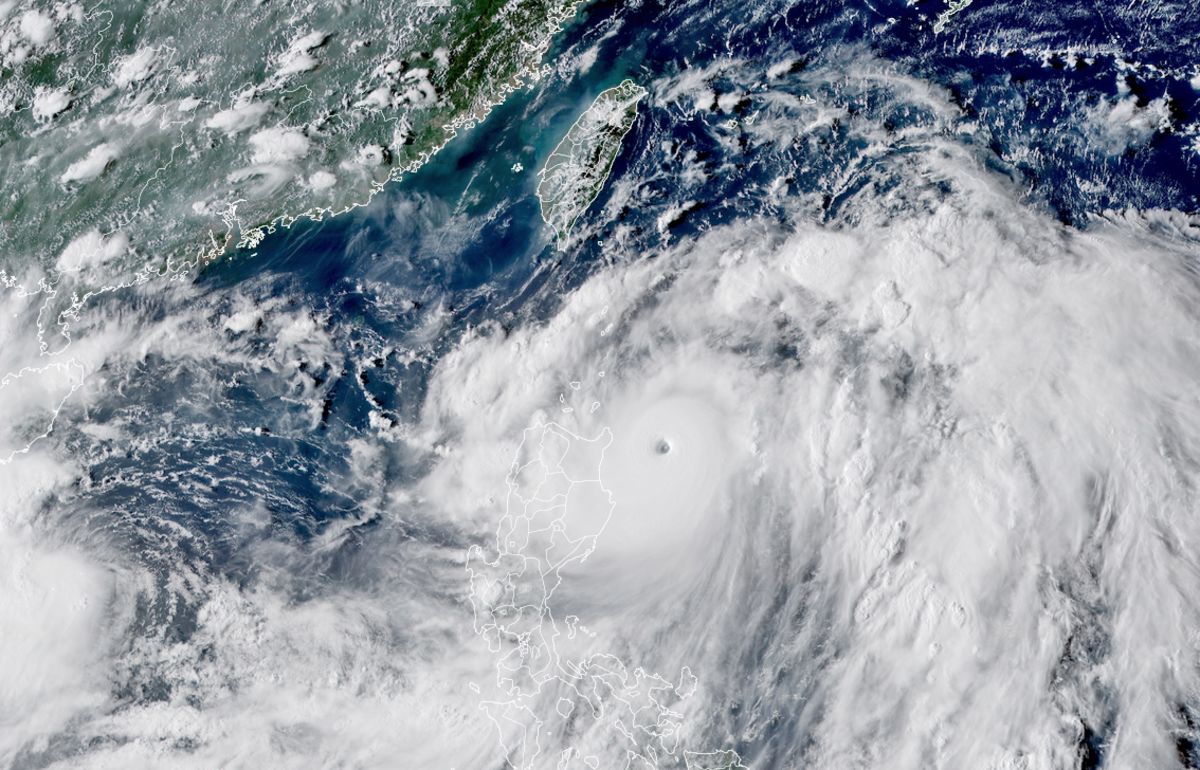
The Guam Department of Agriculture opened the application window Monday for farmers to seek compensation for crops lost to Typhoon Bavi, giving growers until Sept. 2 to file for help under the island's Crop Loss Compensation Program.
Bona fide farmers registered with the department and current on their farm reports can submit applications at the Agricultural Development Services Division in Mangilao during regular business hours. Applicants need receipts documenting what they spent on seeds, fertilizer and other agricultural inputs tied to the damaged crop. The department will not accept late submissions after the deadline.
Farmers with questions about eligibility or paperwork can call the Agricultural Development Services Division at 671-300-7973 or 671-300-7968, or email clcpbavi@guam.gov. The application is also posted online at doag.guam.gov/resource.
The program pays only for what a farmer put into growing a crop, not what that crop would have sold for, a distinction that has fueled frustration among growers since Typhoon Mawar struck the island in 2023. Farmer Ernie Wusstig ran into that exact wall after Super Typhoon Sinlaku wiped out roughly $20,000 to $30,000 worth of his stringless bush beans in April, just days before he planned to harvest them.
Wusstig applied for compensation and wrote to Vice Speaker Tony Ada, who chairs the Legislature's Committee on Agriculture, hoping lawmakers might change how the program calculates losses. He told The Guam Daily Post in May that he expected the payout to reflect what his beans were worth, not just what he spent to grow them.
"The Department of Agriculture is saying they're only going to pay the expenses I put into the crop, not the crop loss," Wusstig said. "And I was confused because the law says the crop loss, and they said they're just following the law on how to compensate farmers."
Agriculture Director Chelsa Muña has defended the input-based formula, telling the Post that a companion federal program, the U.S. Department of Agriculture's Noninsured Crop Disaster Assistance Program, exists specifically to cover the value of what farmers lose in the field.
"We cover the inputs. They cover production loss," Muña said. "So through those two programs, farmers can be made whole."
Deputy Director Glenn Takai pointed to Hawaii as a cautionary example. That state once ran a program similar to what Wusstig wanted, he said, until farmers began collecting for the same loss through both state and federal channels, forcing the two governments to sign an agreement barring double payments.
"If that happens here, which I don't recommend for the law to change, then that outcome is what's going to happen here as well," Takai said.
Takai added that once he walked Wusstig through the statute in person, the farmer's frustration shifted toward the law itself rather than the department.
"When he saw it, then he understood," Takai said. "Then he said, 'Then it needs to change. The law needs to change.'"
That gap between what farmers expect and what current law allows pushed Speaker Frank Blas Jr. to introduce a resolution directing the Guam Economic Development Authority, the Department of Agriculture and the Department of Revenue and Taxation to study long-term options, including disaster reserve funds and agricultural risk pools.
"Guam's farmers and families deserve long-term solutions that strengthen food security and improve resilience against natural disasters and economic uncertainty," Blas said in a statement from his office.
Ada, who co-introduced the measure with Blas, said any changes to local law need to work alongside, not against, the federal assistance already available to growers.
"What we don't want to do is we don't want to create policy that is going to be in conflict with the federal programs that are already available for the farmers that have the crop loss," Ada told the Post.
Muña has said her department is also working to formalize the compensation process in Guam's administrative rules, including a proposal requiring farmers to file expense documentation with their routine crop reports so the paperwork is already on hand the next time a storm hits.
"Right when a storm hits, we can start moving," Muña said. "You submit an application, we inspect your field, and everything's there."
For now, the Bavi application window gives farmers a chance to recoup what they spent, even as the broader debate over what the law should cover continues in the Legislature.
Source - https://www.postguam.com