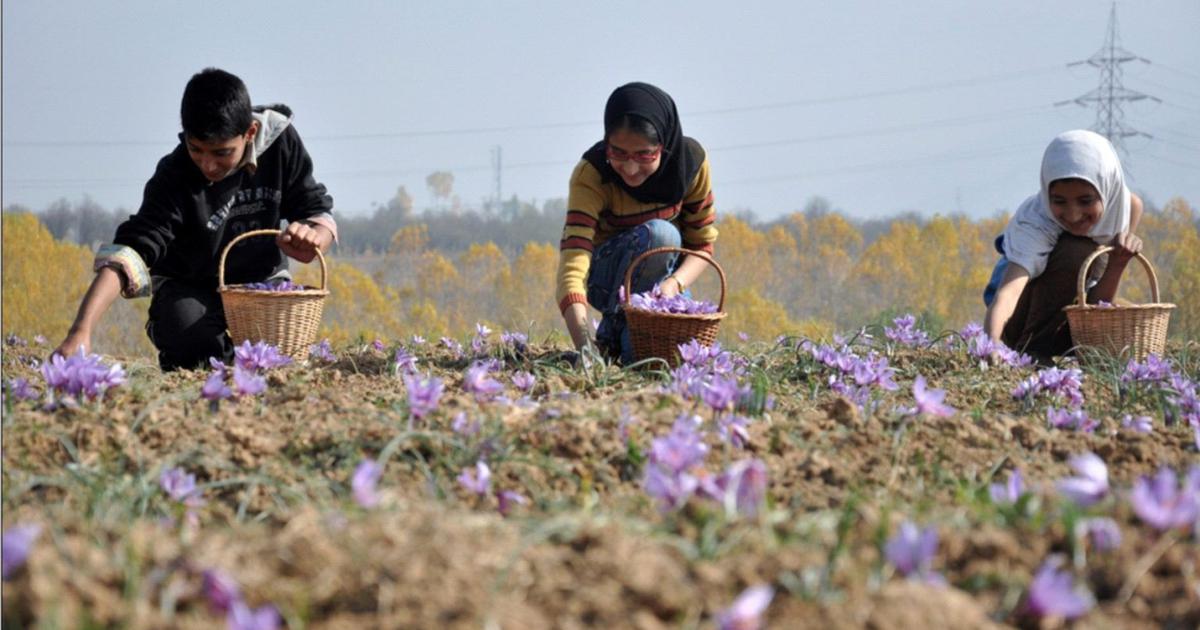
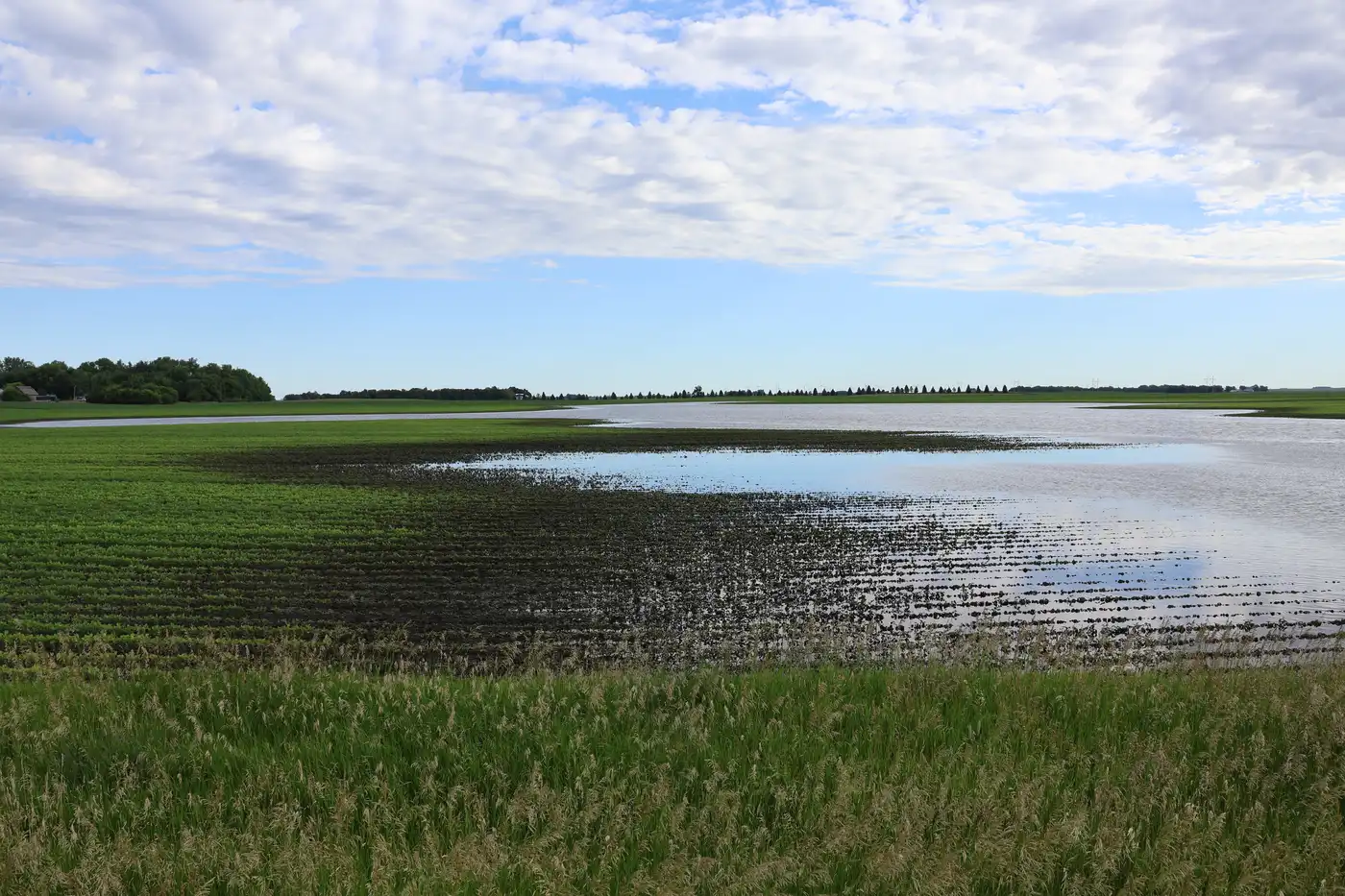
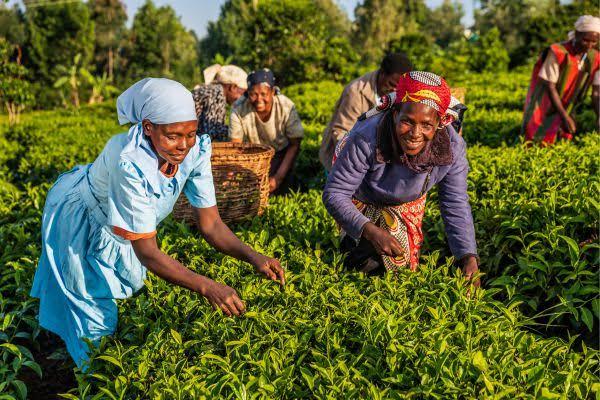
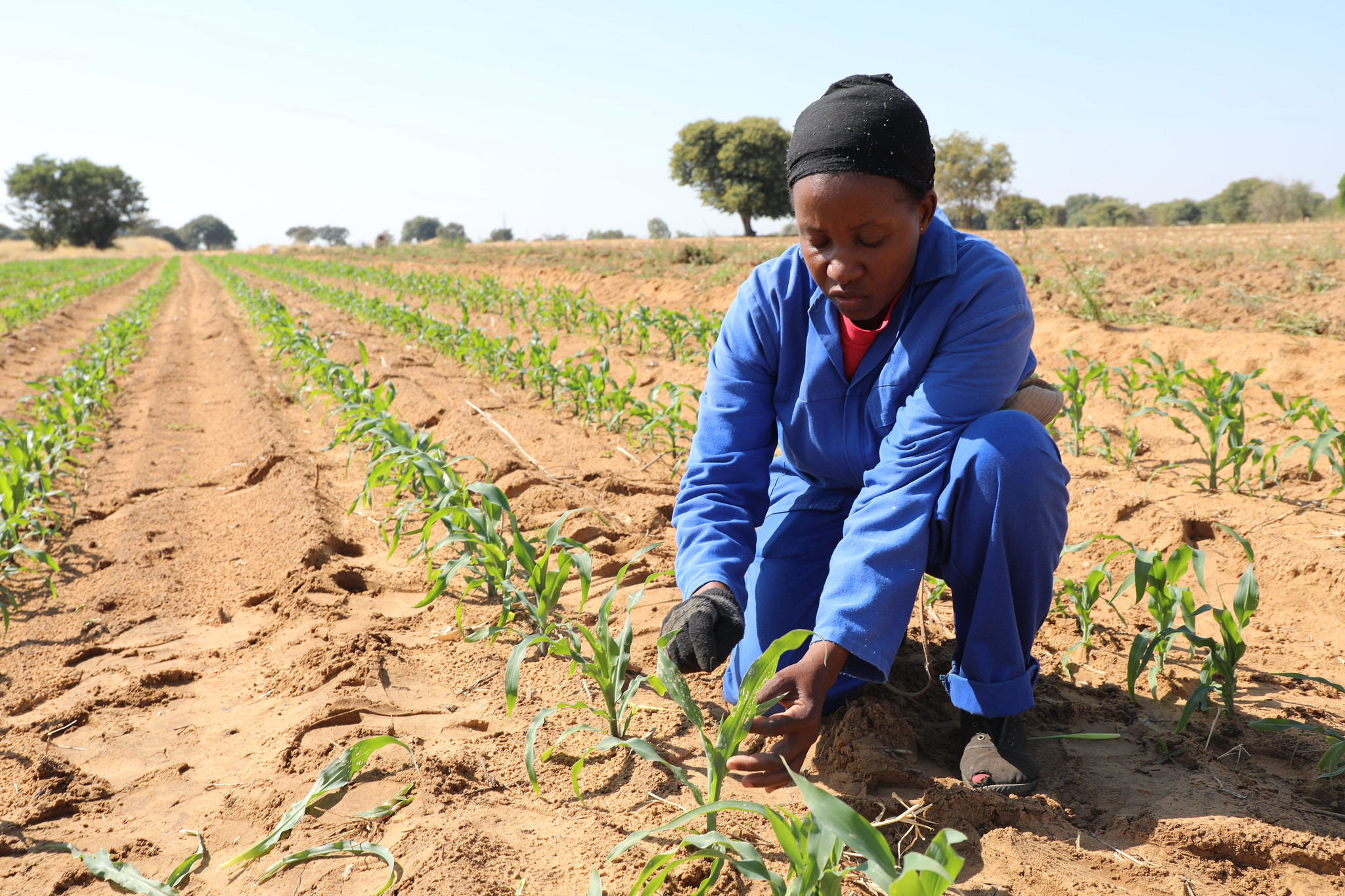
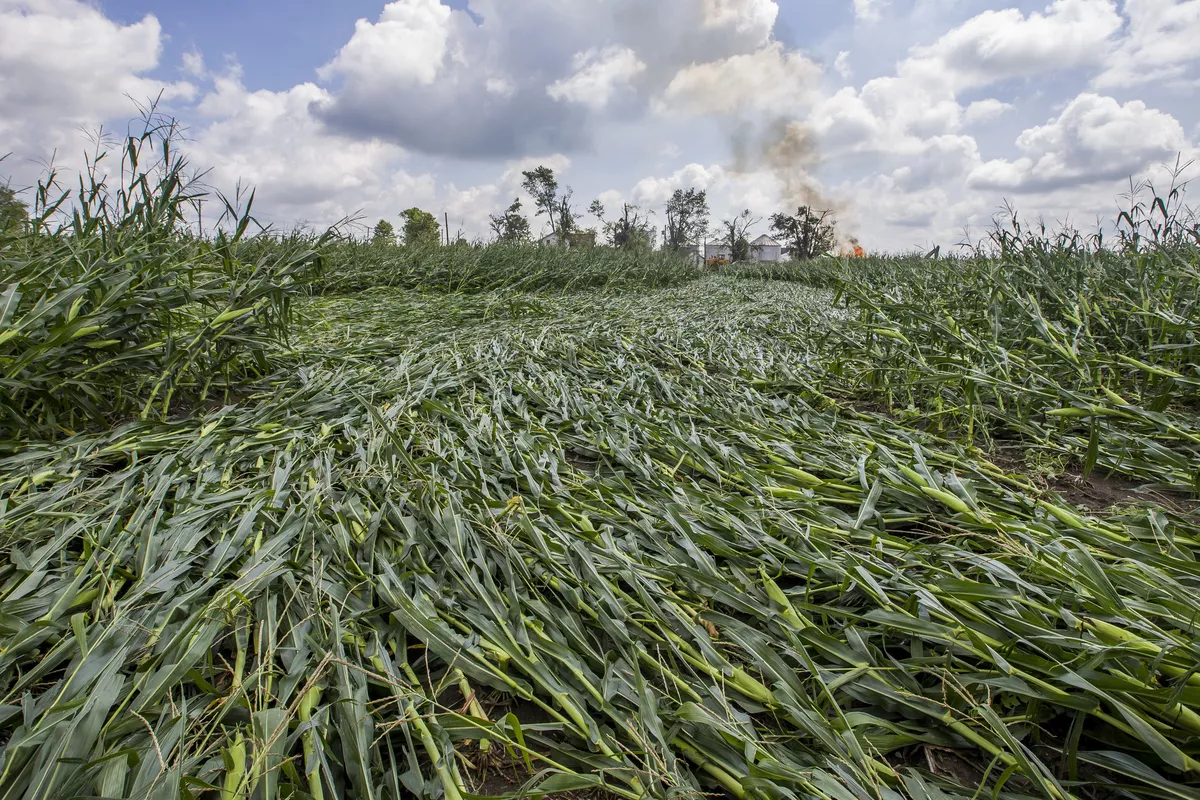
For farmers in Central America’s “Dry Corridor”, extreme weather fanned by the climate crisis has turned the simple act of sowing crops into a gamble that could ruin them and even drive them from their land.
“The most difficult thing for us here is the drought. Sometimes too much water affects the crops, too,” said Ivan Azucena, a 25-year-old from Zacatecoluca, El Salvador. “People are scared to plant in case there is no harvest.”
The need for action is urgent, with poverty and the triple planetary crisis of climate change, nature and biodiversity loss, and pollution and waste feeding into the humanitarian and migration emergencies plaguing several Central American countries. Azucena is one of 50,000 farmers in El Salvador benefitting from an ambitious regional drive led by the Central American Integration System (SICA), the Food and Agriculture Organization of the United Nations (FAO), and partners, to halt and reverse land degradation, boost the resilience of rural communities, and improve food security for millions of people.
The initiative across the Dry Corridor aims to turbo-charge and replicate the restoration of entire landscapes through the building and sharing of resources, knowledge and climate-smart practices. This includes leaving cover crops on the soil, planting trees uphill of a field or mixing trees with agricultural plants.
This approach has prompted the UN Decade on Ecosystem Restoration to name the initiative among its first 10 World Restoration Flagships. The flagships showcase efforts with the vision and scale to bring human activities and ecosystems into balance and lift people and nature toward a sustainable future.
“Food security across Central America depends on enabling people like Ivan to keep on farming without fearing for their own future,” said Natalia Alekseeva, Coordinator of the UN Decade on Ecosystem Restoration. “Restoring landscapes in a way that helps communities to adapt and thrive in challenging conditions is the only way to achieve this.”
Troubled region
The Dry Corridor includes parts of Costa Rica, El Salvador, Guatemala, Honduras and Nicaragua. It is characterized by long periods of drought alternating with periods of heavy rainfall that seriously affect the livelihoods and food security of its 10 million residents. People in arid areas of Panama and the Dominican Republic face similar threats.
For example, drought exacerbated by the “El Niño” climate phenomenon in 2015 caused estimated losses of up to 60 per cent of the corn crop in affected areas. By 2019, five years of drought had left 1.2 million people in the region needing food aid, and in 2021, communities in Honduras and Guatemala suffered serious crop losses from hurricanes Eta and Iota.
"(These countries) are in the same boat. We have the same needs, the same approach. So we need to act together," said Diego Recalde, FAO Representative in El Salvador.
Droughts are among the greatest threats to sustainable development globally, and acting together requires the involvement of all stakeholders, experts say. This year’s World Day to Combat Desertification and Drought on 17 June highlights the need to invest in women’s equal access to land as a key facet in global land restoration and drought resilience efforts.
SICA, FAO and their partners are amplifying support for dozens of projects throughout the Dry Corridor with the aim of restoring whole watersheds, including their biodiversity.
In El Salvador, for instance, the RECLIMA project financed by the Green Climate Fund combines the restoration and reforestation of upland ecosystems to protect water sources and recharge aquifers with field schools to train farmers in improved agricultural techniques. Agroforestry systems, which integrate trees with crops and maintain more natural ecological processes, are a key component. In some cases, the techniques involve a revival of traditional practices and integrate indigenous knowledge.
Agroforestry
In the Alegria Municipality, on the slopes of the 1,600-metre Tecapa volcano, coffee is produced in the shade of indigenous trees that intercept rainfall and help filter it into the soil. On the lower slopes, farmers are adding fruit trees, mulching crops and contouring their fields to restore nutrients and prevent soil erosion. They are also learning how to make organic fertilizer using crop residues, increasing the ability of the soil to hold moisture during dry periods and reducing the need to buy chemical fertilizers.
"This project shows that some things don’t have to be expensive,” said Cecilia Montana, a community promoter for the RECLIMA project. “With these practices, even when it stops raining for a long time, the soil is still moist.”
“You can see the prettiest little leaves are sprouting,” she said, pointing to new growth on a nearby fruit tree.
Meanwhile, the flagship aims to scale up restoration efforts like the one in Alegria by implementing lessons learned from on-the-ground projects across the region and by significantly expanding financial support for sustainable rural development that can counter land degradation, poverty and migration.
By 2030, the flagship aims to have 300,000 hectares of degraded land under restoration, creating thousands of jobs and sequestering vast amounts of climate-harming carbon. But to truly succeed, the initiative will need to give more farmers like Azucena the confidence to keep on working their land and maintaining precious food supplies.
“People tell me they've seen passion fruits that are small and ask why mine are so big, and I say it is because of how the crops are managed,” he said. “We know that, at the end of the season, we will have crops to harvest and food to eat.”
About the UN Decade on Ecosystem Restoration
The UN General Assembly has declared the years 2021 through 2030 the UN Decade on Ecosystem Restoration. Led by UNEP and the Food and Agriculture Organization of the UN together with the support of partners, it is designed to prevent, halt, and reverse the loss and degradation of ecosystems worldwide. It aims at reviving billions of hectares, covering terrestrial as well as aquatic ecosystems. A global call to action, the UN Decade draws together political support, scientific research and financial muscle to massively scale up restoration.
The Global Biodiversity Framework
The planet is experiencing a dangerous decline in nature. One million species are threatened with extinction, soils are turning infertile, and water sources are drying up. The Global Biodiversity Framework – adopted by world leaders in December 2022 – sets out to halt and reverse nature loss by 2030. To address the drivers of the nature crisis, UNEP is working with partners to: take action in land- and seascapes, transform our food systems, and close the finance gap for nature.