Horn of Africa braces for El Nino-driven rains, heavy flooding

02.11.2023 566 views

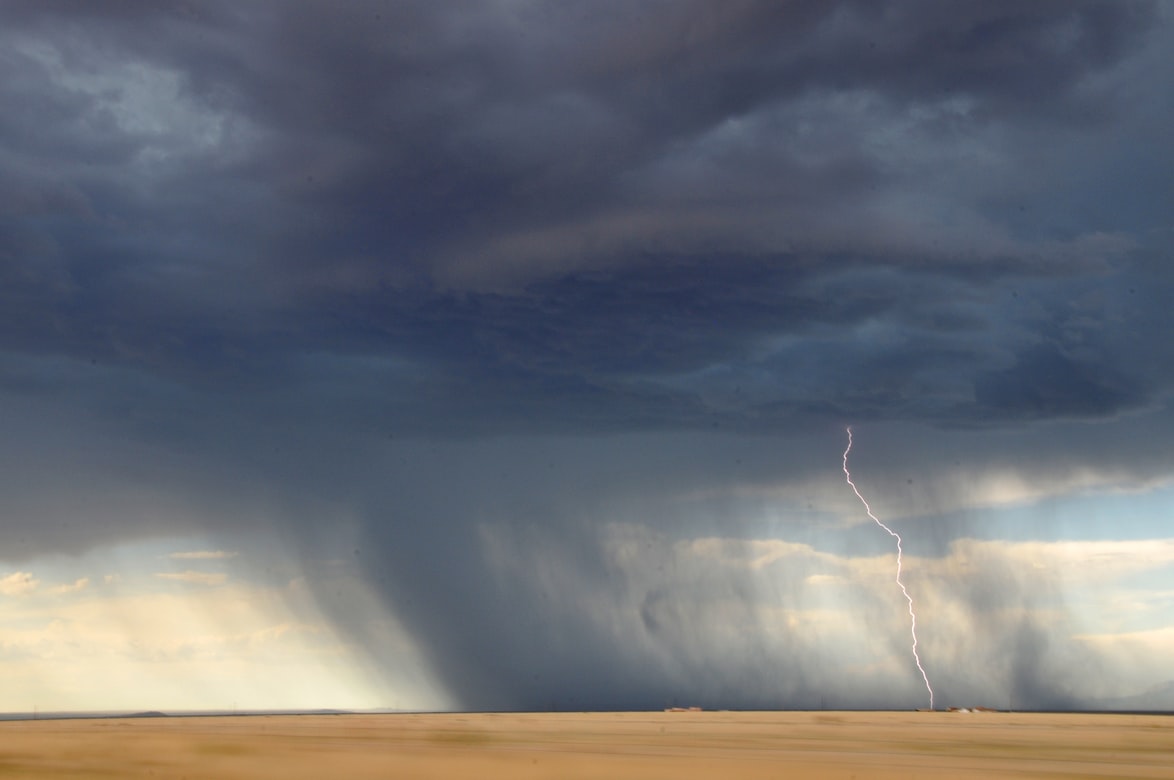
Somalia and neighboring Horn of Africa nations are bracing for extreme rains likely to cause more flash flooding, according to the forecasting service of the regional Intergovernmental Authority on Development (IGAD).

Extremely heavy and widespread rains are forecast for Kenya’s northeast, Ethiopia’s southeast, and the south of Somalia. More limited risk affects Uganda, South Sudan and Burundi.

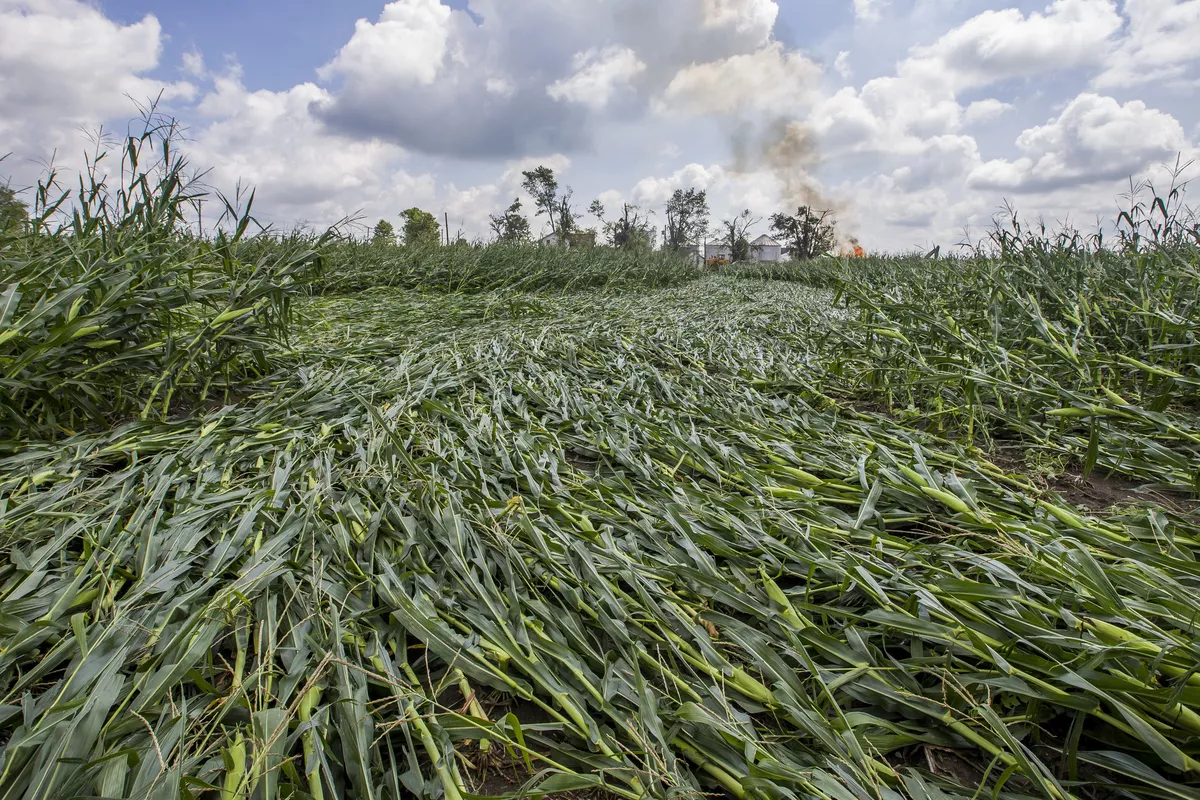
Heavier than expected seasonal rains are influenced by El Nino patterns and the Indian Ocean Dipole (IOD) shift, according to the IGAD experts. The shifts create the potential for crop losses as well as life and property threats.

“The regions most susceptible to these effects in Somalia are the communities along the riverine areas of Shabelle and Juba basin, spanning over 36 districts across the country. Notably, El Nino is poised to exacerbate the humanitarian crisis,” said the Somali NGO Consortium.

The Juba and Shabelle rivers are at high levels ahead of the new rains. Both rivers originate in Ethiopia, with southern Ethiopia and northern Kenya also seeing isolated floods in recent days. The rain and flooding can lead to cholera outbreaks and other diseases, as well as food insecurity.

There are about 278,000 people already affected across Galmudug, Hirshabelle, Jubaland and Southwest regions, according to the UN.

New rains of more than 200 millimeters (mm) may occur in the most at-risk areas, including parts of Gedo and Lower Juba. Somalia already is seeing water levels rise following rains of 110 mm in one day at Berbera, and 196 mm across two days at Bardheere, near the western borders, according to the Food and Agriculture Organization (FAO) of the United Nations.

The amount at Bardheere is 70% of the anticipated total during the Deyr rainy season, and reflects the impact of El Nino, said FAO on Wednesday.

Source - https://africatimes.com

02.09.2026

Philippines - Bayambang declares state of calamity over P31-M agricultural losses

The municipal council of Bayambang has placed the town under a state of calamity after Tropical Storms “Luis” and “Maymay” and the enhanced southwest monsoon, or habagat, caused more than P31 million in agricultural losses.

02.09.2026

USA - Lynndyl farmers assess crop losses after 100 mph winds and hail

Farmers in and around Lynndyl are beginning to assess severe losses after a powerful weekend storm ripped through fields with destructive winds and hail just as some crops were nearing harvest.

02.09.2026

USA - New Insurance for Breeding Heifers

New LRP Coverage Aims to Reduce the Risk of Retaining Heifers for Breeding.

02.09.2026

Corn's $6 Surprise Could Change the Profit Math for U.S. Farmers

Corn may already be worth more than the board suggests as farm payments and incentives add about 52¢ per bushel to producer revenue.

02.09.2026

Philippines - Iloilo turns over P10M for farm, fishery insurance

The Iloilo provincial government has turned over P10 million to the state-owned Philippine Crop Insurance Corp. (PCIC) to expand insurance protection for farmers and fisherfolk vulnerable to losses from El Niño, La Niña, typhoons, pest infestations and other calamities.

02.09.2026

India - AP sees 1,263% rise in non-loanee crop insurance

The State witnessed a remarkable 1,263% jump in non-loanee farmer registrations, with their participation rising from 2 lakh in the previous Kharif season to 25.26 lakh farmers this year.

01.09.2026

South Africa - Grain SA calls for affordable crop insurance as dry weather threatens Swartland wheat

Severe rainfall shortages threatening the Swartland wheat crop have highlighted the need for government support to make crop insurance affordable for dryland producers.

01.09.2026

USA - Florida farms face nation’s highest disaster loss rate

Natural disasters destroy billions of dollars in U.S. agricultural production each year. From drought and wildfires in the West to hail in the Midwest and hurricanes in the Southeast, farms lose an average of $5.1 billion in crops and livestock annually, according to the Federal Emergency Management Agency.