Agriculture, the backbone of our civilization, is undergoing a rapid transformation fueled by technological advancements. In an era where the global population is expanding, and climate change poses significant challenges, the need for sustainable and efficient farming practices has never been more critical. Thankfully, innovative technologies are emerging as powerful tools in revolutionizing the agricultural industry. From precision farming to data-driven decision-making, these advancements are empowering farmers, increasing productivity, and promoting sustainable practices. In this article, we explore eight innovative ways technology is reshaping agriculture and shaping the future of food production.
Precision Farming:
Precision farming leverages technologies like GPS, sensors, and drones to optimize resource allocation and increase productivity. Through detailed mapping of fields, farmers can precisely apply fertilizers, water, and pesticides only where and when they are needed. This targeted approach reduces waste, minimizes environmental impact, and improves crop yield and quality. Additionally, the use of drones enables farmers to monitor crop health, detect diseases, and spot water stress, allowing for timely interventions and improved overall management.
Internet of Things (IoT) and Sensors:
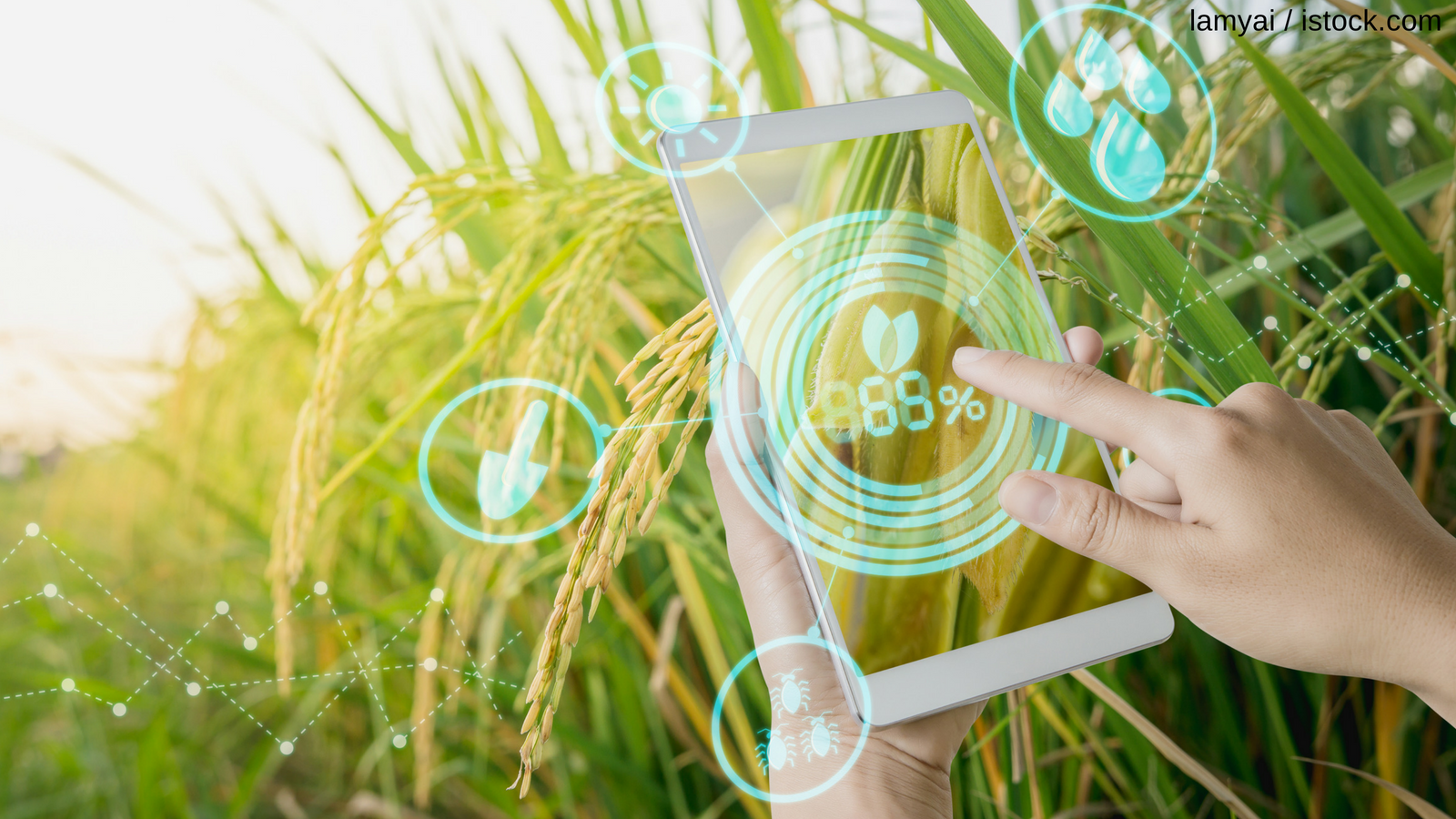
The Internet of Things (IoT) and sensor technologies are revolutionizing agriculture by providing real-time data and enabling smart farming practices. Sensors placed in fields can collect information on soil moisture, temperature, humidity, and nutrient levels, transmitting the data to farmers' devices. This data-driven approach allows farmers to make informed decisions regarding irrigation, fertilization, and pest control, leading to optimized resource usage, reduced costs, and improved crop yields.
Vertical Farming:
Vertical farming represents a groundbreaking approach to agriculture, particularly in urban areas with limited space. By utilizing controlled-environment agriculture techniques and advanced lighting systems, vertical farms can grow crops indoors in stacked layers. This method allows for year-round cultivation, significantly reduces water usage, eliminates the need for pesticides, and minimizes transportation costs. Vertical farming not only increases food production but also mitigates the environmental impact associated with traditional farming practices.
Robotics and Automation:
Automation technologies, including robots and autonomous vehicles, are transforming labor-intensive agricultural tasks. Robotic systems equipped with computer vision and machine learning capabilities can perform activities such as planting, harvesting, and sorting crops with precision and efficiency. Automation reduces labor costs, enhances productivity, and eliminates human error. It also offers a solution to the labor shortage issues faced by many farming communities worldwide.
Artificial Intelligence (AI) and Machine Learning:
Artificial intelligence and machine learning algorithms are empowering farmers with predictive capabilities and data-driven insights. By analyzing vast amounts of data, including historical weather patterns, soil quality, crop growth rates, and market trends, AI can provide valuable predictions and recommendations. This enables farmers to optimize planting schedules, make informed decisions about crop selection, and predict disease outbreaks, ultimately maximizing yields and minimizing losses.
Genetic Engineering and Biotechnology:
Advancements in genetic engineering and biotechnology have revolutionized crop development and improved agricultural sustainability. Scientists can now develop genetically modified crops that are resistant to pests, diseases, and harsh environmental conditions. Additionally, biotechnology has enabled the production of biofuels, bio-based materials, and environmentally friendly alternatives to traditional chemical fertilizers and pesticides. These innovations contribute to increased productivity and reduced environmental impact in agriculture.
Blockchain Technology for Supply Chain Transparency:
Blockchain technology is making strides in ensuring transparency and traceability in the agricultural supply chain. By recording every step of the journey from farm to fork, blockchain allows consumers and retailers to verify the origin, quality, and safety of agricultural products. This increased transparency not only strengthens consumer trust but also aids in the identification and mitigation of foodborne illness outbreaks and improves the efficiency of supply chain management.
Farm Management Software:
Farm management software platforms are becoming increasingly popular as comprehensive tools for organizing and optimizing farming operations. These platforms enable farmers to monitor and manage various aspects of their farms, including inventory, equipment maintenance, crop rotation, and financial records. By centralizing data and automating administrative tasks, farm management software streamlines operations, enhances productivity, and promotes informed decision-making. The agricultural industry is on the cusp of a technological revolution, as innovative solutions continue to reshape the way we produce food. From precision farming and IoT sensors to vertical farming and artificial intelligence, these advancements hold tremendous potential for increasing productivity, reducing environmental impact, and ensuring food security for a growing global population. Embracing and integrating these technologies into agricultural practices is essential for a sustainable and efficient future, where farmers can harness the power of technology to overcome challenges and pave the way for a thriving agricultural sector.
Source - https://yourstory.com