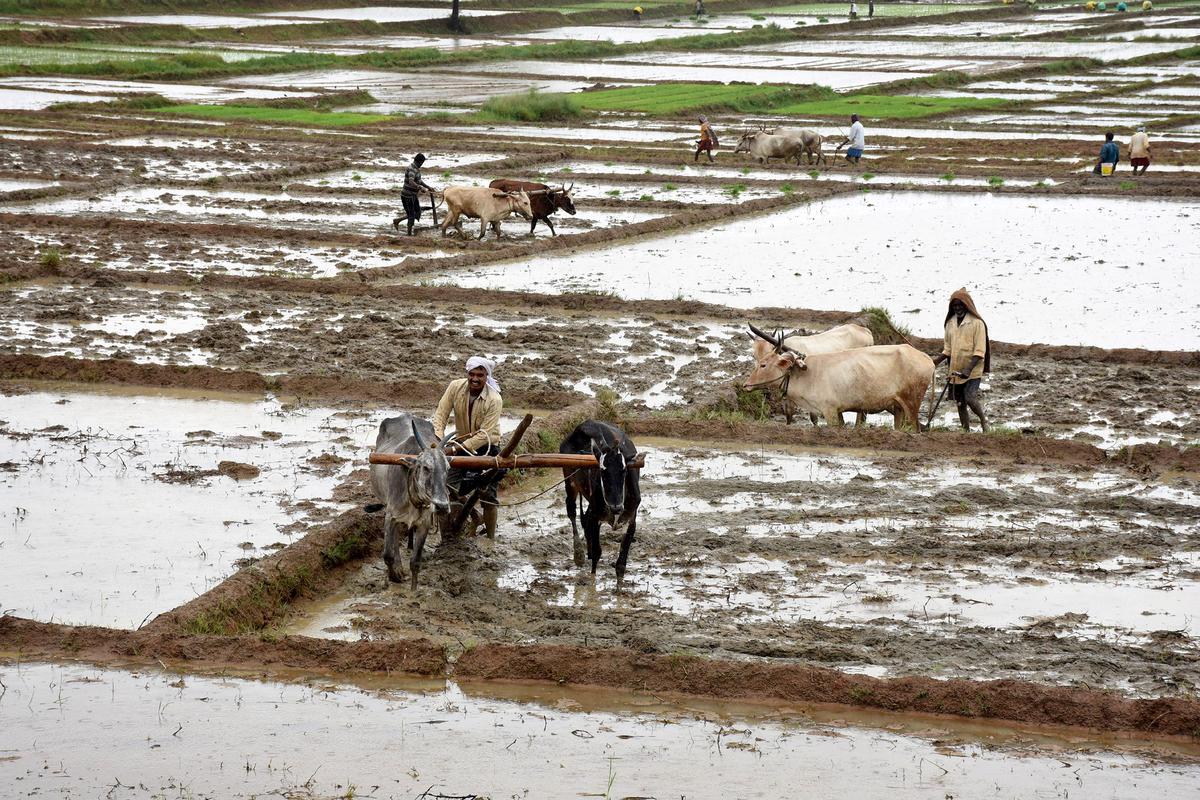
Drought for previous four months followed by unseasonal rain and hailstorms have wreaked havoc in the past week, caused huge losses. The sitting Shinde-Phadnavis (SS-Shinde-BJP) has not even declared this a natural disaster nor announced any reliefs and the shrill commercial media channels are eerily silent on the crisis.
The front page of Maharashtra’s largest circulating daily Loksatta is full of detailed reports of the tragic losses to crops in the Vidharba and Marathwada regions of the state, caused by unseasonal rains and hailstorms. Some English newspapers have also reported the losses, caused by first acute drought and now unseasonal rains and hailstorms; there is an uncanny silence from the state and central governments.
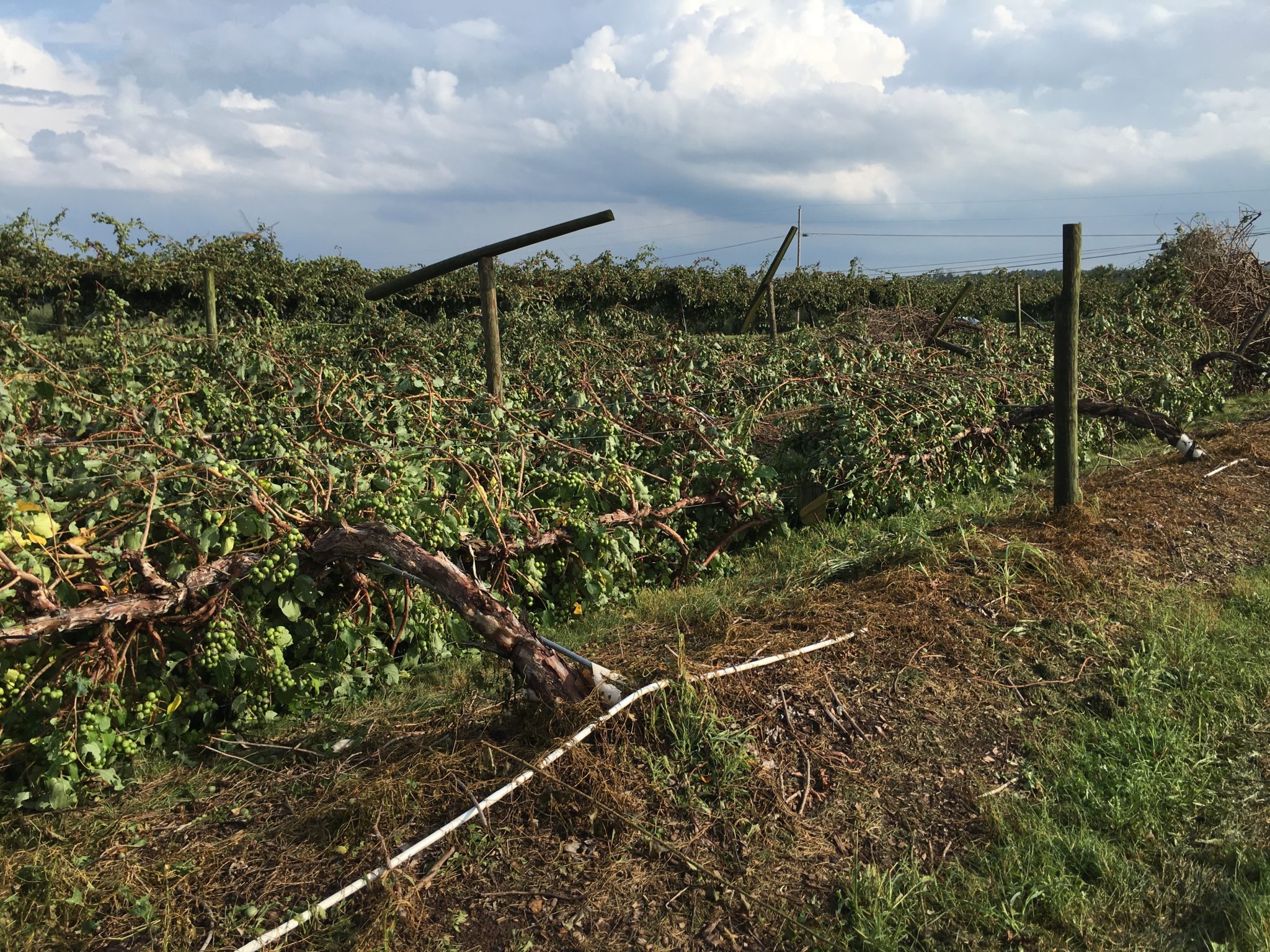
On April 12, a detailed report by Loksatta detailed how these unseasonal rains have hit the whole of Vidarbha including the sub-capital, Nagour and wreaked havoc. Due to strong winds of high velocity accompanied by hailstones, crops on 50,000 hectares of land have been damaged in Yavatmal, Akola, Amravati, Buldhana districts. A woman labourer even reportedly died due to lightning. After these unseasonal rains that lasted till Sunday, farmers in the region face an acute crisis all summer. The worst-affected places are Washim, Amravati, Jalna, Sambhaji Nagar, and Beed. In these regions of the state, crops such as maize, onions, fruits, and vegetables are grown.
Since April 8, it was sections of eastern Vidarbha, such as Nagpur and Wardha, as well as the western regions of Vidarbha that have witnessed intense rainfall and hailstorms. In Marathwada, the unexpected rain has affected all eight districts.
Thereafter, since April 10, Nagpur, Akola, Amravati, Buldhana, Washim, Yavatmal districts are experiencing heavy rain with strong gales and hailstorms. Nagpur city received gusty wind and unseasonal rain for two days. In other districts, the rain accompanied by gale force winds and hailstones has destroyed the grass of the farmer. Most of the damage has been caused in the Amravati district.
Thirteen constituencies, of which all are in the Vidarbha area, will vote in the first two phases of the upcoming Lok Sabha election. The majority of voters in these constituencies are engaged mostly in agriculture. Therefore, the discontent among farmers may turn into a negative issue for the ruling Mahayuti government, consisting of the NCP, BJP, and Shiv Sena.
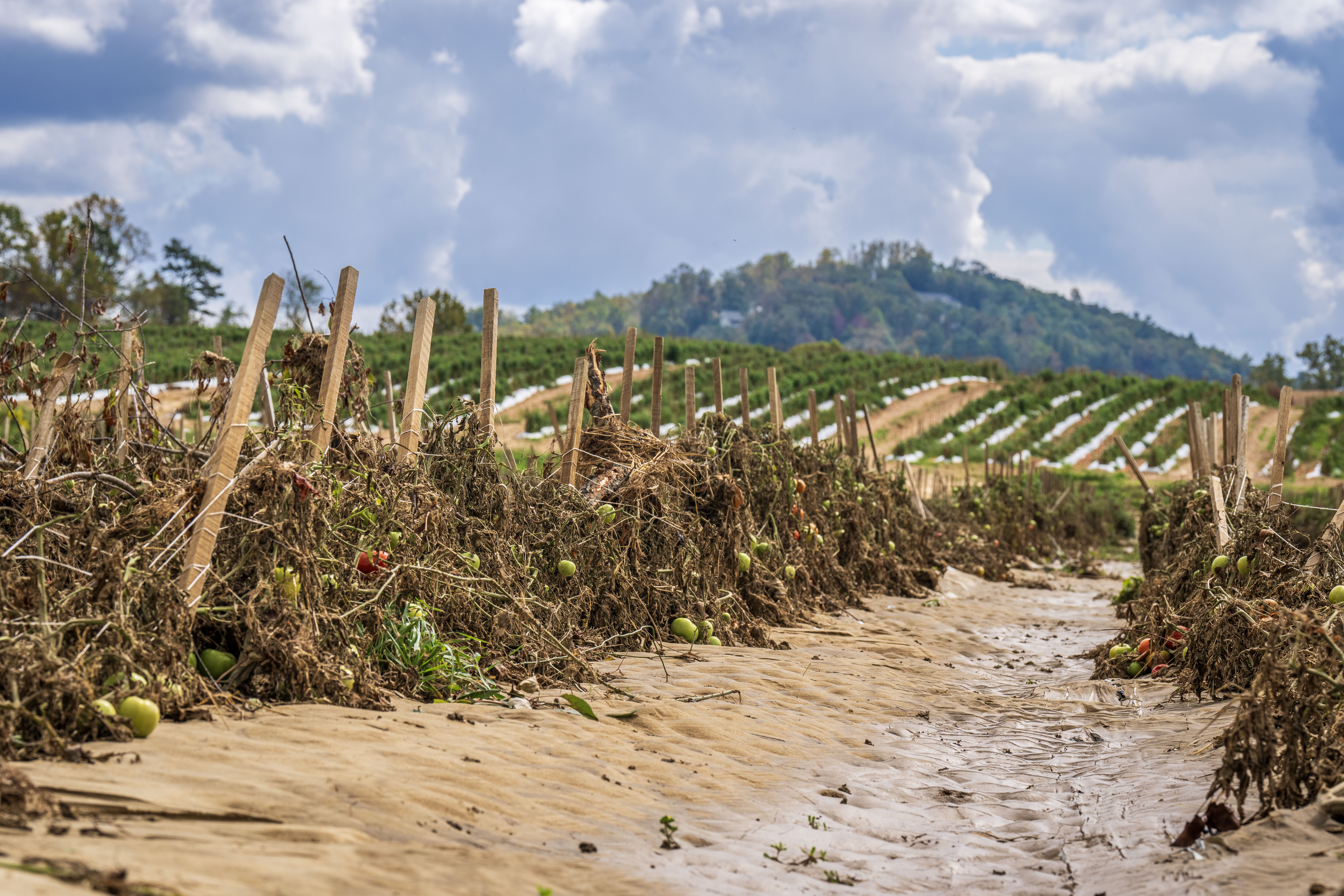
About 35,389 hectares of Rabi Crops and orchards have been hit by rain and hail. Chandurbazar, Morshi, Varud and Achalpur suffered the most damage in four taluks. Oranges, mangoes, bananas, mangoes grown on 18,300 hectares have been damaged. Crops on 4,060 hectares in 74 villages of Akola district have also been destroyed. Most of the damage has occurred in the Patur taluka. About three and a half thousand hectares of crops in 100 villages were also damaged in Buldhana district. Crops on 2,000 over one-and-a-half villages in Yavatmal district were damaged by rain. In Kelapur taluka, most of the crops on 780 hectares were destroyed. Fruit orchards have also been adversely hit.
Woman died; many animals died
A woman labourer working at a brick kiln on the Arni-Savli Road in Yavatmal district was killed by lightning. Three people were seriously injured.
Two bulls were also killed due to lightning. The roofs of many houses were blown off due to heavy rain and more than five hundred houses were damaged. Around 55 houses were damaged in Akola district. More than three hundred houses collapsed in Buldhana district. 13 animals died due to lightning and had to be buried under trees. Three people were seriously injured due to lightning in Sangrampur taluk.
Rabi crops have been damaged by unseasonal rain and hailstorm in Vidarbha. Beed, Parbhani, Hingoli districts of Marathwada were also damaged by hail on Thursday.
Rain lashed the region until April 12.
Political observers believe that while farmers anticipate prompt help from the state government, the natural disaster during the approaching Lok Sabha election has presented an unanticipated challenge for the ruling BJP, Shiv Sena, and NCP alliance. An assessment of the issue is currently being conducted by Agriculture Minister Dhananjay Munde and Chief Minister Eknath Shinde.
Speaking with the district collectors, CM Eknath Shinde has reportedly assessed the circumstances and asked the administration to work quickly to provide the farmers with the assistance they need at this time. CM Eknath Shinde also asked Iqbal Singh Chahal, the chief minister’s office’s additional chief secretary, to seek the Indian Election Commission to exempt relief measures from the code of conduct.
In order to evaluate the crop losses, Munde visited a number of Marathwada villages and spoke with local farmers. Vegetable and fruit crops have been severely impacted in Marathwada. He said he ordered the administration to finish the survey in order to submit the crop loss report. Farmers who have insured their crops had to submit crop loss reports to the relevant insurance providers, he added.
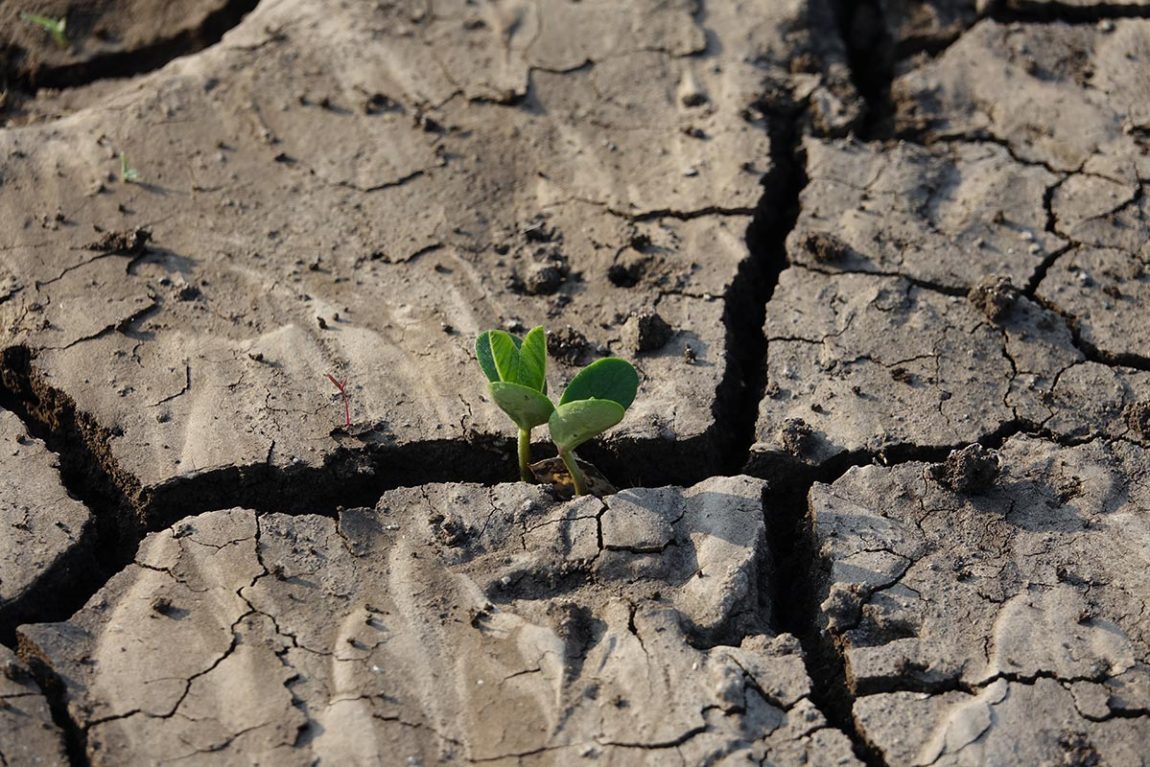
It's been consistently reported since January -February 2024, three months ago, how the area in Maharashtra to be declared drought-affected has risen to 73 per cent. In November 2023, , the Maharashtra government had announced a drought in 229 tehsils, which has 1,290 circles. With the decision from the sub-committee, a total of 1,510 circles out of 2,068 are now drought-affected, covering more than 73 per cent of the state.
While the National Disaster Response Fund (NDRF) will be used for relief and rehabilitation in 40 tehsils (269 circles) announced in October 2023, the State Disaster Response Fund (SDRF) will be used for the newly added drought-affected region. “Different parts of the state are facing a difficult situation. There are issues related to the availability of water and fodder. The government will ensure aid is received by all,” said Maharashtra Relief and Rehabilitation minister Anil Patil. Under the present revenue administration, each district is divided into subdivisions for administrative convenience. Each division may consist of 4 to 5 talukas. These talukas are further subdivided into revenue circles and each circle has around six to eight villages, reported Indian Express.
On the basis of this, 220 new circles without rain gauge machines were included in the list of drought-affected areas. The areas will now receive benefits such as restructuring of crop loans, concessions in revenue, stays on the recovery of farm loans, 33.5 per cent concession on the present power bills of agricultural pumps, exam fee waivers for school and college students, concessions in norms for employment guarantee scheme, availability of water tankers and a guarantee that agri pumps won’t be disconnected due to non-payment of bills.
In 2018, drought was declared in 151 tehsils initially. Later 268 circles were included in the list. It was done after a number of elected representatives complained about their respective areas being ignored. Similarly in 2023, opposition MLAs had criticised the state government for including only areas under ruling MLAs and ignoring the opposition’s constituencies.
Meanwhile other reports indicate abnormal weather conditions also in the north with Punjab and Haryana reporting abnormally cold temperatures at the height of summer. Bathinda was the coldest in Punjab recording a low of 4.4 degrees Celsius, a notch below the season’s average, according to the India Meteorological Department’s (IMD) weather bulletin. The minimum temperatures of Ludhiana and Patiala were 8.1 degrees Celsius and 7.3 degrees Celsius, up to two degrees below the normal, the bulletin showed.
In Haryana, Hisar was the coldest with a low of 5.3 degrees Celsius, four notches below the normal, the bulletin showed. Ambala recorded its minimum at 9.1 degrees Celsius, it added.
Source - https://www.newsclick.in