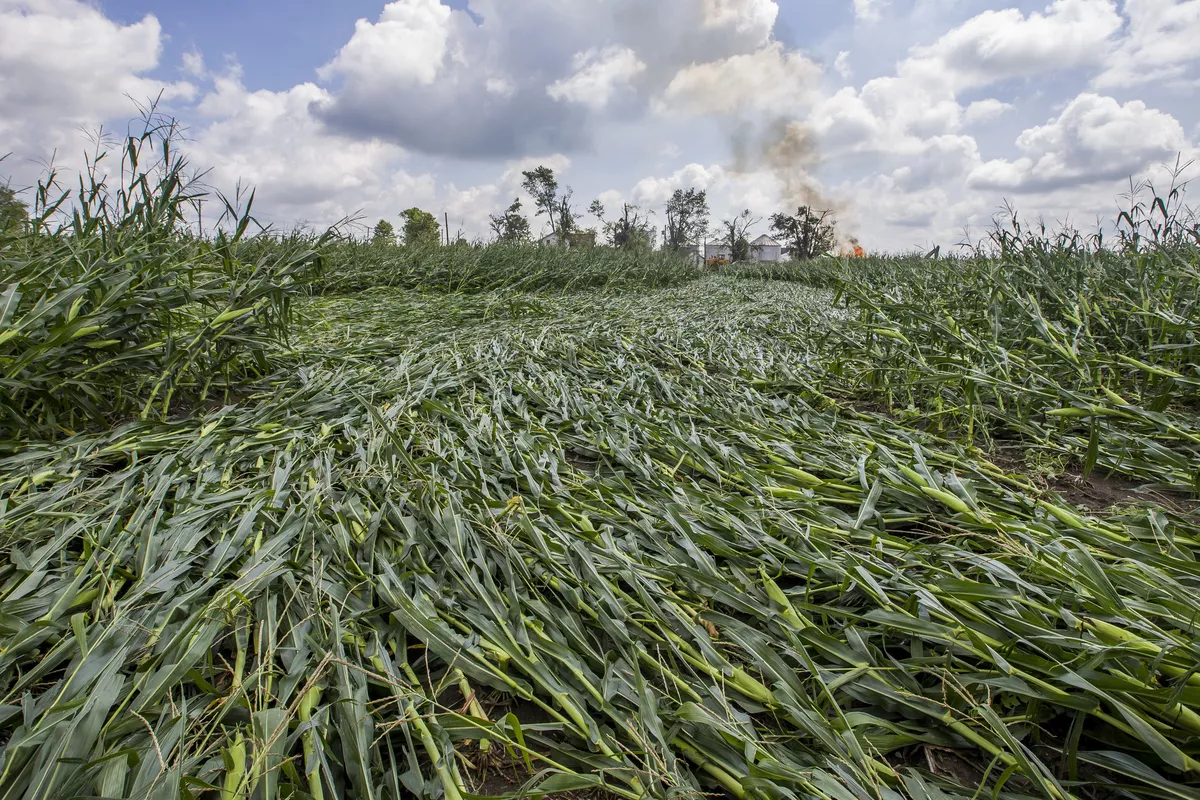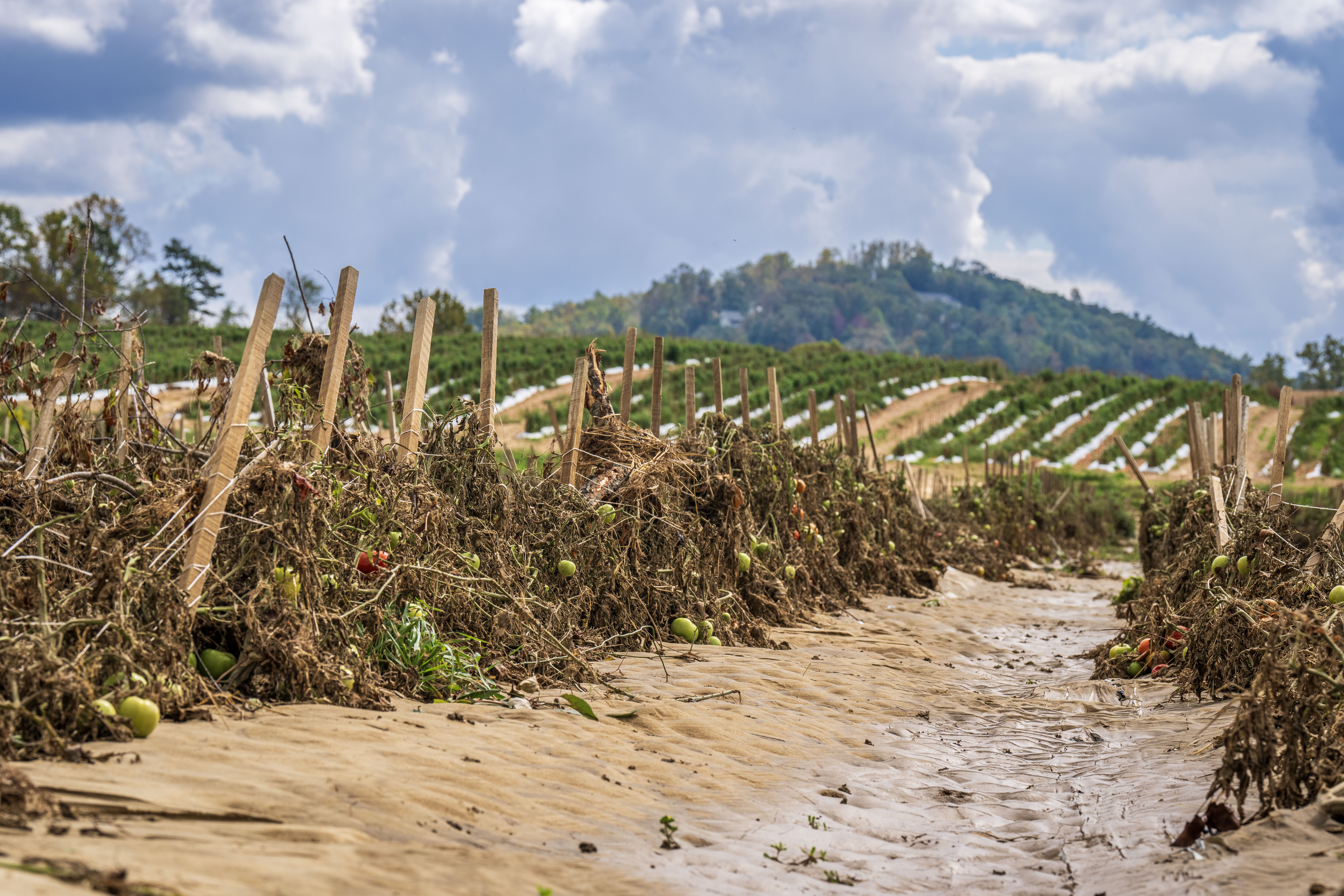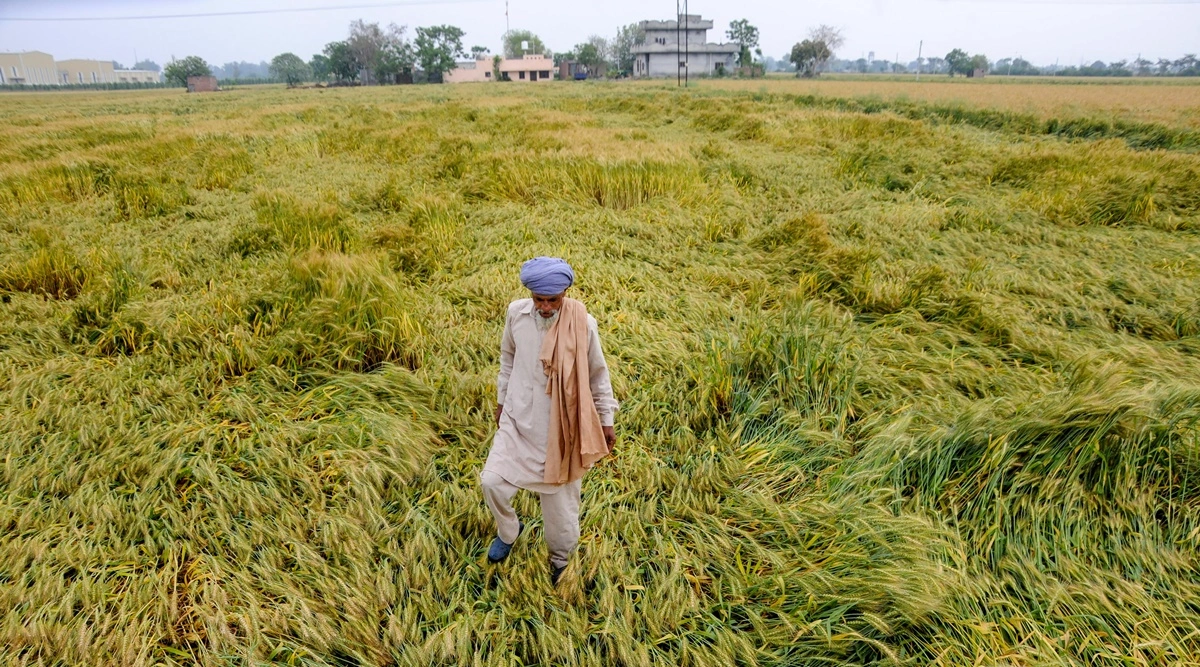
After a bad kharif season, farmers in Maharashtra are battling a failing rabi season owing to a winter warmer than usual, less soil moisture and unseasonal rainfall in November.
A state agriculture department report recently revealed that there was also a possibility of reduction in the rabi area due to insufficient soil moisture. It stated that in some places, crops were drying up due to lack of water.
Rough estimates from farmers in the state indicated significant rabi crop losses in the state this season.
Anmol Raut, a farmer in Yavatmal, said, "There are nearly 900 farmers in our farmer producer company and all are facing issues this season. We had to undertake resowing of rabi gram as cloudy skies during the day and warmer nights increased the incidents of pests, which destroyed almost 100% of my gram crop."
Anmol Raut, a farmer in Yavatmal, said, "Warmer weather this winter is also likely to cause 60-70% losses in my wheat crop due to premature germination.
There is an overall drop in rabi sowing due to lack of water. Nearly 70% of rabi tur has also been affected in my farm."
Similarly, strawberry growers in Mahabaleshwar have pegged production losses at about 50% in comparison to last season due to the warmer-than-normal winter.
Ganesh Mohite, a grower from Mahabaleshwar, said, "Strawberries generally require a period of cold weather to initiate flower bud formation and ensure a fruitful harvest. Warmer winters can impact this process and may lead to reduced yields. Harvesting has already started but we are not getting the quantity desired due to a mild winter season."
Purushottam Mangte Patil, a farmer from Akola, told TOI that the unseasonal rainfall in November this year destroyed crops such as wheat, gram, tur and onion. "Rains destroyed 99% of gram and 50% of tur crops in my field. Wheat had to be resown. Overall, I suffered crop losses amounting to 50-60%. We might see an equal drop in yield," he said.
Uday Patil, head of a farmers' producer company in Kolhapur, said, "The subdued winter has affected 15-20% of the wheat and gram crop in our fields.
There has been an effect on germination, which is ultimately likely to affect yield."
Source - https://timesofindia.indiatimes.com