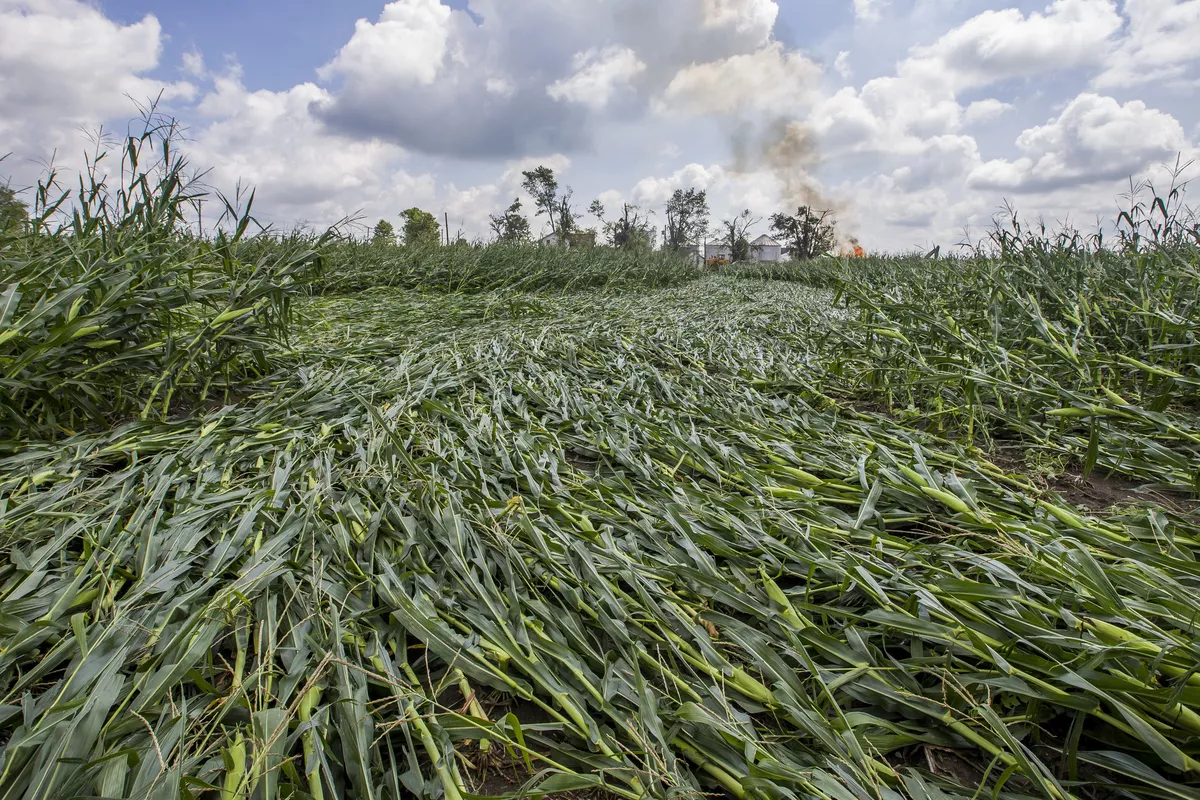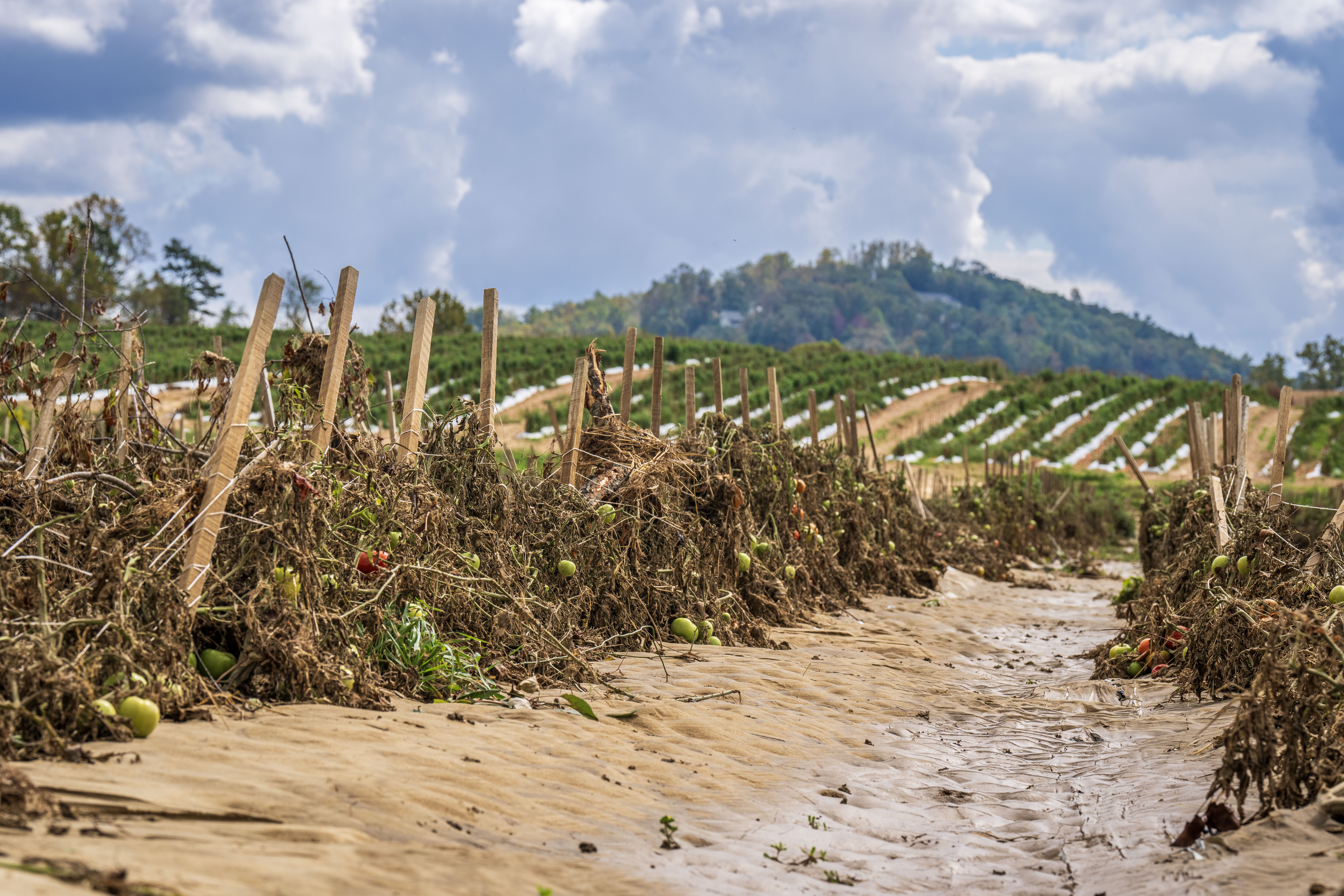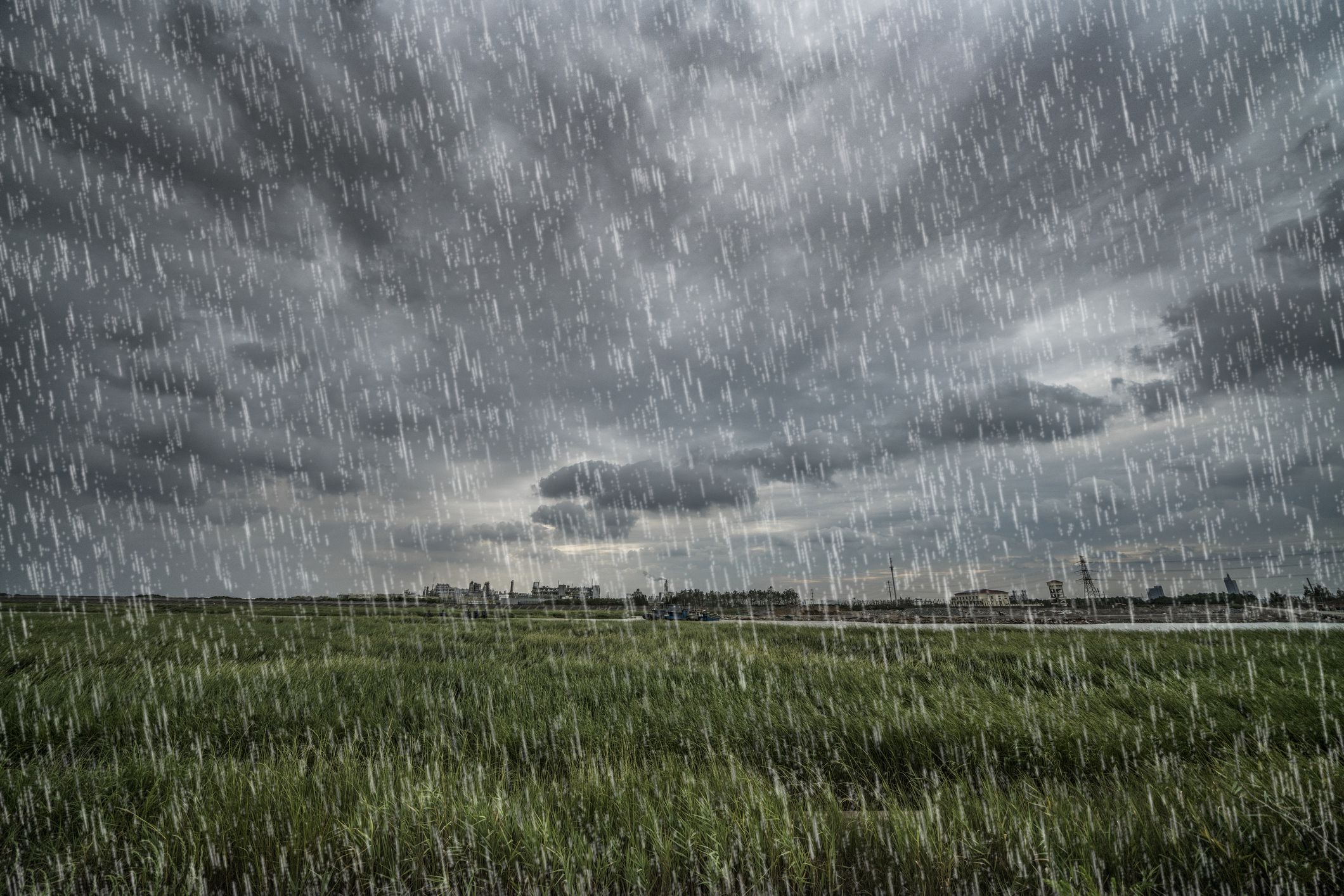
Their fields, which were flourishing with fresh and lively marigold blooms until a few days ago, had the flower-growing farmers in Punjab hoping for a golden harvest this festive season. However, those hopes were short-lived. The sudden spell of rain in the state has flattened the marigold crop that was ready for harvest in the fields. Even as Navratris have started, marking the onset of a long festive season, private buyers are now refusing to purchase the droopy, rotten, and moisture-filled marigolds, leaving a handful of flower growers in the state in a difficult situation.
Even though the government claims to promote crop diversification, the floriculturists of Punjab do not qualify for any monetary compensation for losses due to natural calamities. There is neither a minimum support price (MSP) for flowers nor a wholesale market (mandi) system for flower growers to sell their produce at a competitive price. In contrast, wheat and paddy farmers still have some hope of compensation from the government for successive losses since floods ravaged the state earlier in July. However, the flower growers do not hold such hope, as the administration did not even conduct a “girdawari” (assessment of damage) for their losses, as is done for other farmers.
“Even those growing wheat and paddy haven’t received any compensation yet for the crops submerged in recent floods, so it would be a cruel joke for flower growers like us to expect anything. Regardless of the size of the loss, the government has never considered us farmers,” says Deep Singh from Taran Wali village of Ferozepur near the Indo-Pak border, whose 2-acre marigold field has been ravaged by the recent rain.
“For the first time in the past five years since I started growing flowers, there was a glimmer of hope to earn some profits this Navratri and Diwali. My field was full of blooms. The rain in the past two days has left us devastated again. The flowers are now filled with moisture and have rotted. Private shopkeepers and traders have refused to buy them. Since there is no mandi system for flowers, we are at the mercy of private shopkeepers,” says Deep.
Balbir Singh from Kot Khalsa village of Amritsar recounts that even during the pandemic when religious places and marriage palaces closed, he had to uproot his entire flower crop. “Neither then, nor now, has the government extended its hand to help us. In July, we had to regrow our seedlings after the entire crop was devastated by floods, and now, when it was time to earn something during the festive season, the rain has hit us hard,” says Balbir.
“Puttar, dheeyan wangu paaleya si assi (We raised our flowers like sons and daughters),” says Balbir. “During the last Diwali, the selling price of marigolds had even touched 180/kg, but now it has dwindled to 40-50/kg. In the absence of any streamlined mandi system, private shopkeepers are our only hope, but the standing crop has again been flattened now.”
“The input cost of growing flowers is much higher than routine crops. First, COVID destroyed us, then floods, and now the crop ready for harvest has been flattened. Will the government give us any compensation? Why are we not covered under girdawari and crop insurance schemes?” he added.
Gurwinder Singh, a progressive farmer owning 22 acres of a flower field in Nanuwal of Fatehgarh Sahib, says the government should consider why any farmer would switch to floriculture if there is no compensation for losses due to natural calamities. “There is no mandi system for selling flowers in Punjab, and small farmers are not covered under girdawari for any compensation. They are entirely dependent on a handful of private buyers,” he says.
Another major demand of flower growers is a complete ban on plastic/Chinese flowers. “Even temples and gurdwaras have started using plastic flowers, which is affecting us,” says Balbir. “From growing to harvesting to selling, the government has no control over flower production, and there’s no one to listen to our woes,” he adds.
Shailender Kaur, director of horticulture, explained that flower growers were not covered under any compensation scheme because the total area in the state under flower cultivation was far less than the minimum requirement. “Just around 5500 acres in Punjab are under flower cultivation, which isn’t enough to claim compensation. Moreover, most of it is under flower seed production, with very little dedicated to cut flowers” she said.
Source - https://indianexpress.com