Major chilli grower Dharwad district has seen a severe loss of chilli crop and a reduction in sowing area this time, resulting in a shortage of dry red chilli in the wholesale market and a high price.
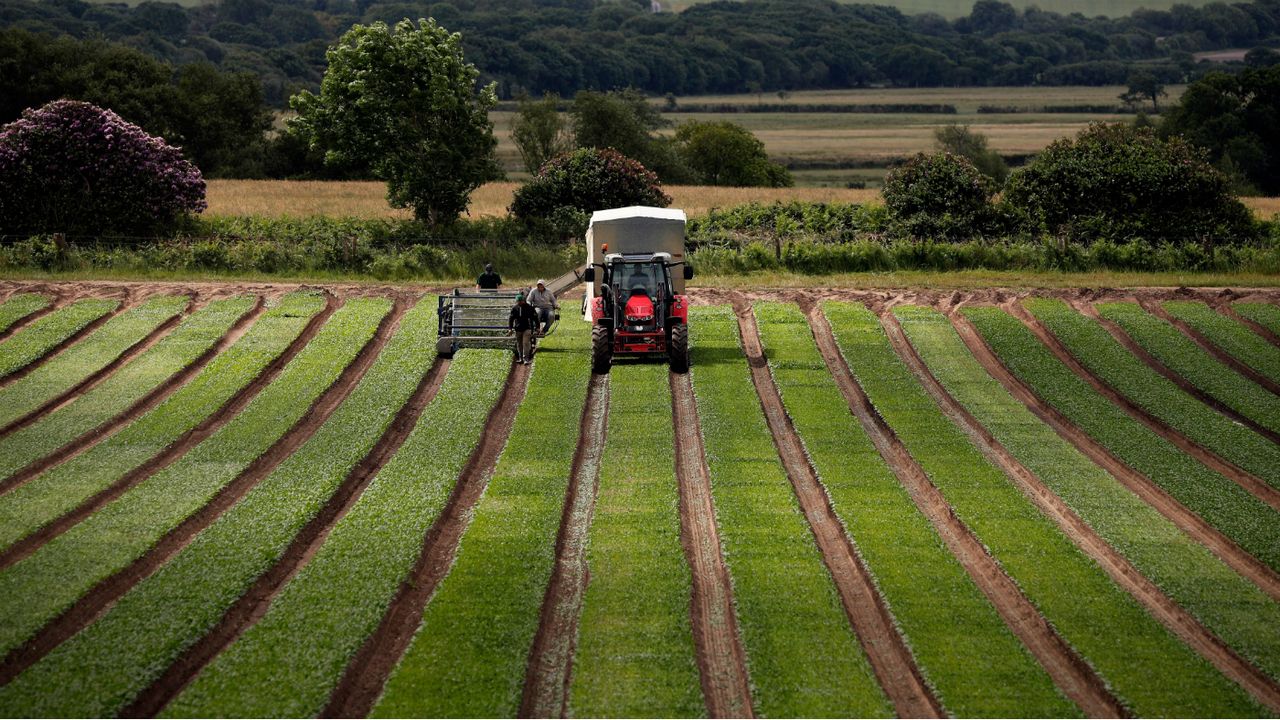
Continuous and heavy rains during the kharif season and diseases caused mainly due to moisture resulted in a sharp dip in the yield of red chilli, a key crop in Kundgol, Annigeri, Navalgund, and Hubballi Rural taluks in the district. Consequently, the arrival of dry red chilli at the APMC has come down drastically and the maximum price for chilli is increasing like the previous year.
Some farmers are lamenting that they are left with no chilli to sell this time due to crop loss and very less yield. In such a situation, dry red chilli is being purchased increasing prices by traders at the APMC, due to a shortage. This season, the maximum price per quintal so far at Hubballi APMC is Rs 55,589 for Byadagi Kaddi variety and Rs 62,230 for Byadagi Dabbi.
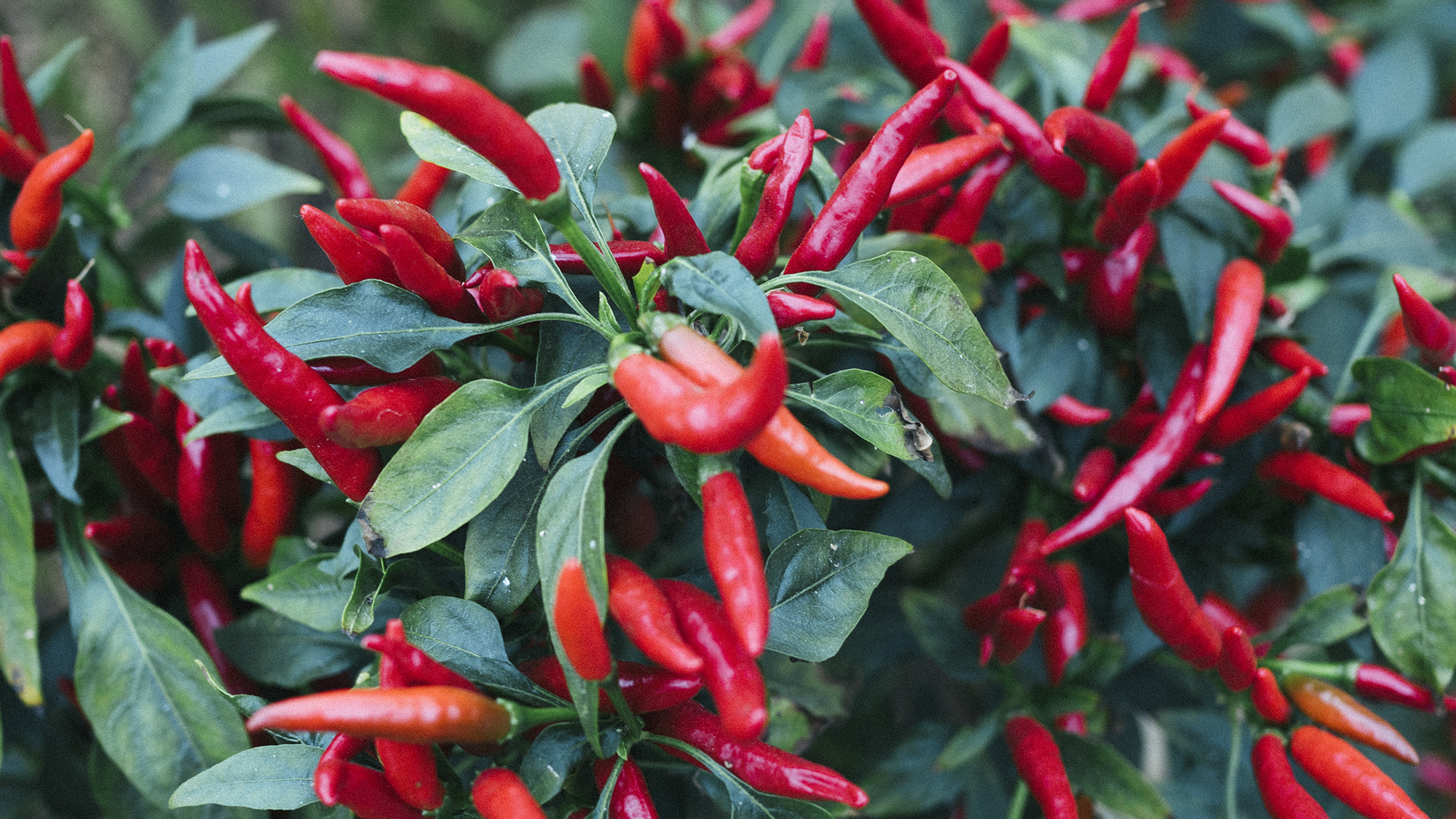
Byadagi Kaddi is the variety of chilli grown by most farmers while only a few grow less quantity of Byadagi Dabbi which is rich in colour, less hot and sweetish in taste but with less yield.
More loss, less yield
Chilli crop loss in the district this time is nearly 65 per cent, while the yield is also over 50 per cent less than the average yield.
"I used to get up to three quintals of chilli per acre. This time, the yield is less than one quintal, and I ar left with nothing to sell, as what I got this time may be sufficient only for consumption at home. Crop loss due to heavy rains has become a regular phenomenon in the last three years," says Shivaram Kapl a chilli grower in Sulla village.
According to Raju Hanumakkanavar, president of Uluvayogi Farmers' Producer Organisation (FPO), which has a tie-up with a company to supply chilli, the FPO is not getting chilli from local farmers duet very less yield and is trying to procure from farmers of other places to meet demand.
Karnataka State Spices Development Board (KSSDB) officials say the original quality and yield of Byadagi chilli being grown in the region is also affected by cross-pollination and other reasons.
Sowing area shrinks
Due to continuous crop loss caused by heavy rains among other reasons in the last couple of years, hig cultivation cost and variations in starting sowing, several chilli growers have shifted to short-term crop: of pulses, resulting in a drastic reduction in the chilli sowing area in the district.
Chill growing area in the district used to be 22,000 to 25,000 hectares of land, and it came down to 14,370 hectares this time. Chilli crop is lost on 9,339 hectares of land. Heavy rains, and diseases caused due to excess moisture, humidity and cloudy weather damaged the crop," says Horticulture Department deputy director Kashinath Bhadrannavar.
Kundgol taluk, which is known for growing Byadagi chilli, has also seen a sharp decline in chilli cultivation. Sowing area in the talk has come down from around 8,000 hectares of land last year to around 5,000 hectares this year.
"The yield this time is almost nil. In addition to rains, the disease is also haunting for two years for which a proper solution is not yet available," said Jnaneshwari Naik, CEO of Amarashiva FPO in Kundgol.
Less arrival, more price
From December 1 to January 18, Hubballi APMC received 38,565 quintals of dry red chilli. The arrival in the same period last time was 56,910 quintals.
Out of 38,565 quintals of chilli that arrived since December 1 this season, only 69 quintals were of Dabbi variety, with a price from Rs 40,699 to Rs 62,230 per quintal. The remaining quantity (38,496 quintals) of Kaddi variety of chilli was purchased at a price from Rs 1,900 to Rs 55,589 per quintal.
"We are getting less quantity of chilli from local farmers, but the arrival is comparatively more from other areas like Bagalkot, where the crop loss is less. Farmers who are bringing chilli are happy with the price which is good this time also, due to shortage of chilli," says Basavaraj Yakalaspur, a chilli trader at the APMC.
Chilli purchased here mainly goes to different states in north India, while more hot chilli (seeds quality) is supplied to other countries including Bangladesh, Pakistan, and Indonesia, he added.
Less arrival of chilli is causing good price for chilli of satisfactory quality. The arrival of chilli at the APMC is expected to continue till February end.
Source - https://www.deccanherald.com